
Architectural Styles and Their Influence on Custom Closet DesignClosets & Closet Accessories CommercialUpdated on Oct 11, 2023 View more like this | Visit WALDORF, MD | Contact My Closet Guys |
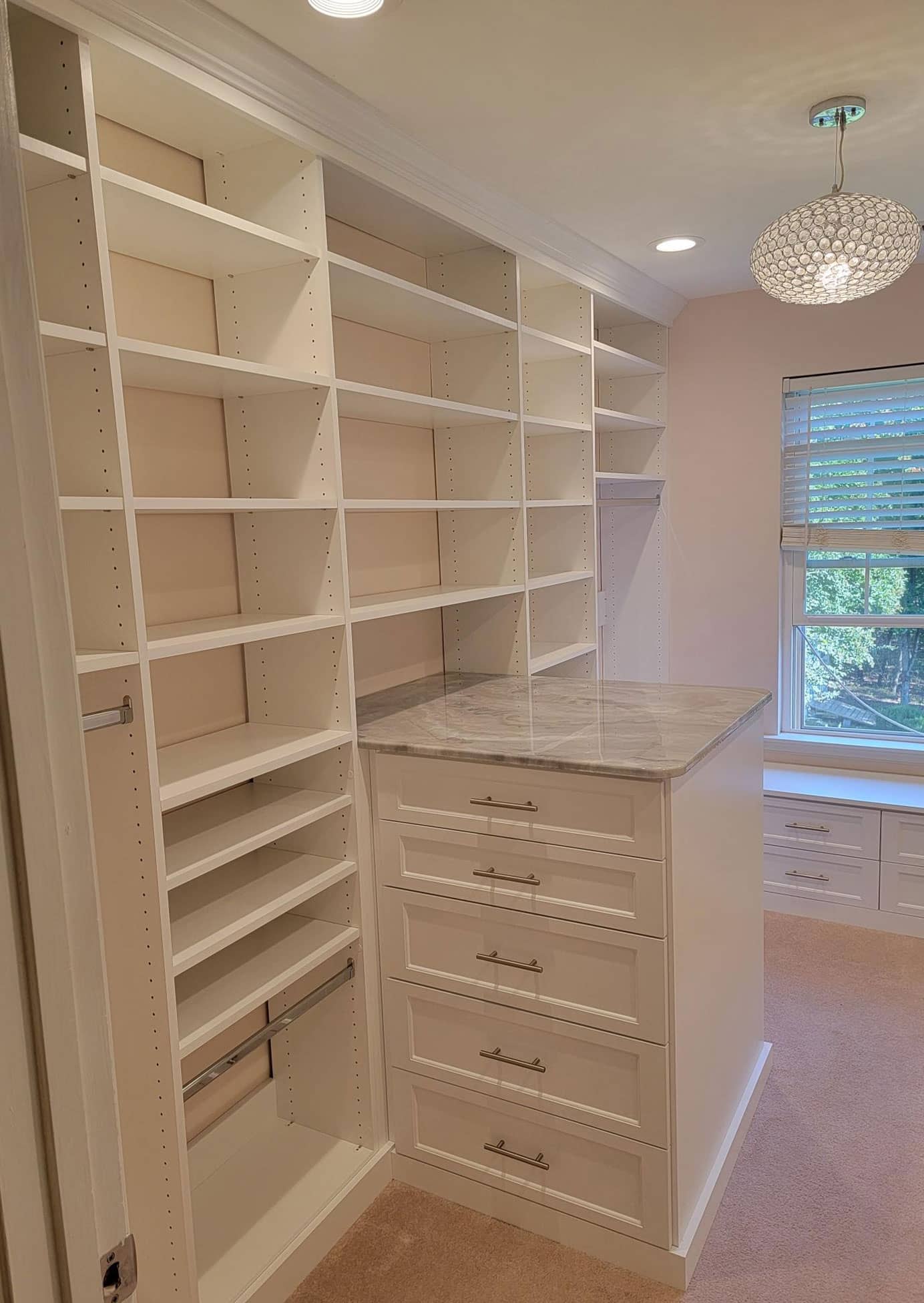
The realm of custom closets extends beyond mere storage; it represents a marriage of function and aesthetics deeply influenced by architectural styles. An architectural style not only dictates the external appeal of a structure but also greatly impacts the interior elements, including the design of custom closets. Traditional Style and Closet Design The traditional architectural style, inspired by European and early American designs, embodies intricate details, rich colors, and classic elements. Custom closets within such homes often feature real wood in darker shades such as mahogany or cherry. Designs may include ornate moldings, antique hardware, and elaborate organizational features reminiscent of the period. Closet layouts usually offer a regal walk-in experience, with designated areas for various clothing types, and the inclusion of additional traditional elements such as an island or a vanity area. In the 'Journal of Interior Design,' traditional design elements were associated with a sense of nostalgia and comfort, making traditional style closets a timeless choice for those valuing classic aesthetics. Modern Style and Closet Design Modern architectural style, characterized by minimalism and clean lines, influences custom closets to reflect simplicity and functionality. Materials such as frosted glass, metal, and light-colored woods are commonly used. The layout prioritizes efficient use of space, often incorporating versatile storage solutions such as adjustable shelving, built-in drawers, and pull-out baskets. The 'Journal of Architectural and Planning Research' revealed a positive correlation between minimalist interiors and perceived spaciousness, a quality that modern custom closets capitalize on. Industrial Style and Closet Design The industrial style, inspired by the urban loft aesthetic, favors exposed construction elements and raw materials. Custom closets in this genre might incorporate materials like reclaimed wood, exposed brick, or metal piping for hanging garments. The layout might maintain an open concept to match the airy feel of the industrial style, using rolling racks or open shelving. An article in 'Interiors and Sources' noted the growing popularity of industrial chic design in residential spaces, adding a rugged yet stylish appeal that extends to custom closets. Contemporary Style and Closet Design The contemporary architectural style, a fluid category reflecting current trends, encourages innovation in custom closet design. Eco-friendly materials such as bamboo or recycled materials can be used, reflecting the style's emphasis on sustainability. Innovative layouts might include rotating shoe racks, pull-down hanging rods, or integrated LED lighting. A study published in 'Environment and Behavior' highlighted consumers' increasing preference for sustainable design choices, mirroring the contemporary style's focus on ecological consciousness. Transitional Style and Closet Design The transitional style, a blend of traditional elegance and contemporary simplicity, allows for versatile custom closet designs. Materials might combine natural wood with mirrored or glass elements, striking a balance between classic and modern. The layout might offer a well-organized space with a mix of enclosed and open storage to cater to diverse needs. A piece in 'The International Journal of Architectonic, Spatial, and Environmental Design' celebrated the transitional style's adaptability, a quality well-translated into transitional custom closets that cater to various preferences. In conclusion, the architectural style of a home significantly influences the design, materials, and layout of custom closets. Designers must navigate the nuances of each architectural style to create a custom closet that aligns with the home's overall aesthetic while addressing the user's unique storage needs. As these architectural styles evolve, so too will the field of custom closet design, continuing to offer innovative and stylistically harmonious solutions for organizing personal spaces. The cost of custom closets can significantly vary, influenced by factors such as the closet's size, the materials used, the complexity of the design, and the region where the work is being done. Generally, homeowners can expect to spend anywhere from $1,000 to $3,000 for a reach-in closet and $2,000 to $5,000 for a walk-in closet, but these prices can escalate depending on the customization level and materials used. Material costs comprise a significant portion of the overall expense. Real hardwoods, such as oak, cherry, or maple, are at the higher end of the price spectrum due to their durability and aesthetic appeal. Alternatively, synthetic materials like melamine or laminate offer a more cost-effective option. While less expensive, these materials still provide a pleasing aesthetic and are resilient to wear and tear. The design's complexity also impacts the total cost. Basic designs, such as a single rod and shelf configuration, are the least expensive. However, more elaborate designs, including adjustable shelving, built-in drawers, jewelry inserts, shoe racks, or integrated lighting, will add to the cost. Labor costs can also contribute substantially to the overall expense. A custom closet requires professional design, fabrication, and installation, which can add to the total cost. However, hiring professionals ensures a high-quality finish, optimal space usage, and increased longevity, making it a worthwhile investment. The region's cost of living and the local market rates for labor and materials also influence the overall cost. Closets in areas with higher living costs will generally be more expensive. Despite these costs, a custom closet can be a smart investment. According to a report by Remodeling Magazine, closet renovations can yield a return on investment (ROI) of about 50 to 70%, making them a worthwhile consideration for homeowners looking to increase their property value. In conclusion, while custom closets can carry a significant price tag, their benefits in terms of increased storage, improved organization, enhanced aesthetics, and potential ROI make them a valuable addition to many homes. It's important for homeowners to consult with professional closet companies to get a detailed quote based on their specific needs and budget.
