
Wine Manufacturing Cost Report 2026: Plant Setup, Feasibility Study, ROI Analysis and Business Plan ConsultantManufacturing ProductionUpdated on Jun 1, 2026 View more like this | Visit United States Minor Outlying Islands, UN | Contact IMARC Group |
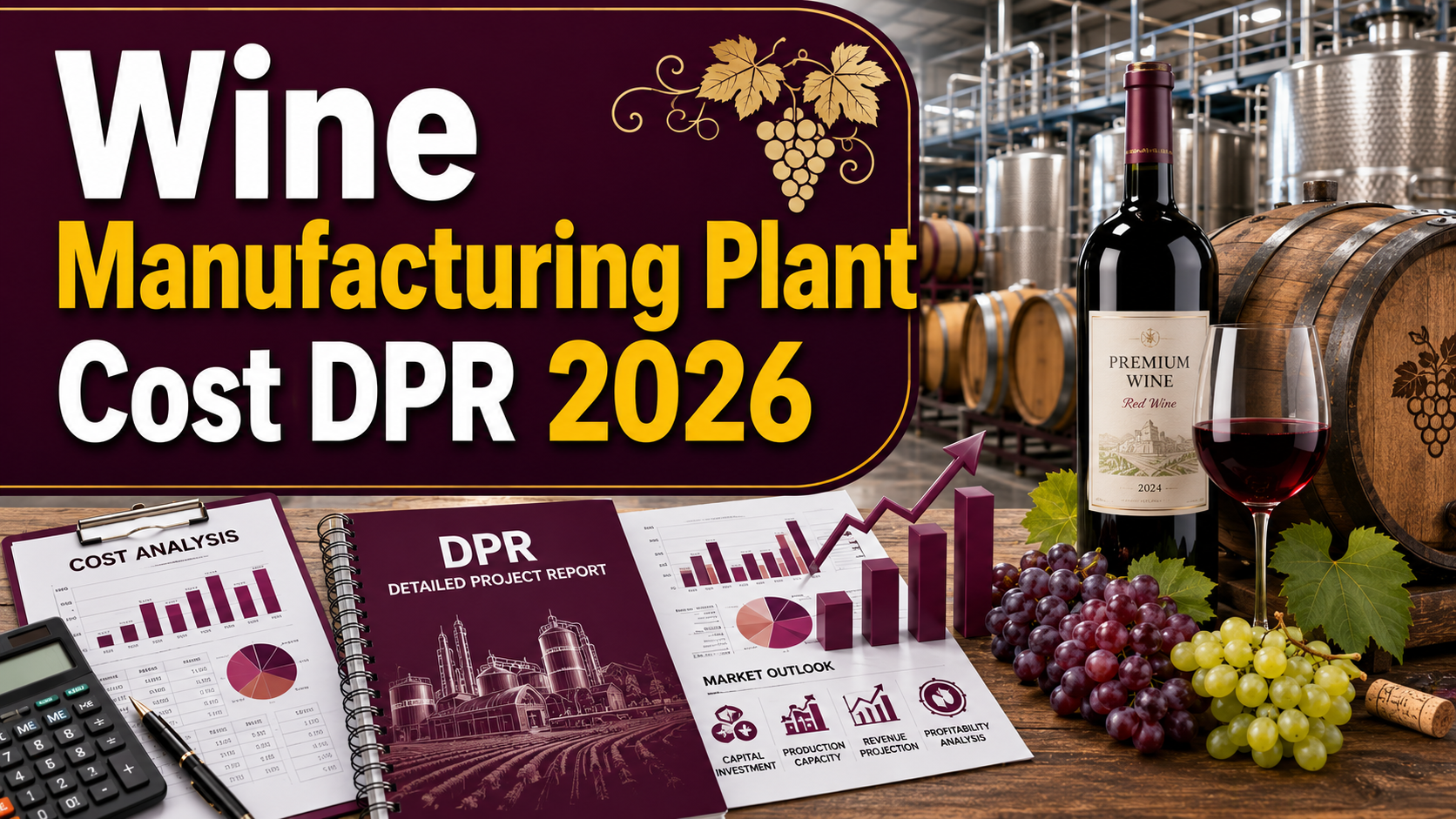
Setting up a wine manufacturing plant involves a series of controlled processes such as grape harvesting and sorting, crushing and pressing, fermentation and temperature control, clarification and stabilization, ageing, filtration, bottling, labelling, and storage. Key equipment includes grape crushers and presses, fermentation tanks, temperature control systems, filtration units, ageing barrels or tanks, bottling and corking machines, labelling systems, and quality testing laboratories. Since this is a food-grade beverage production facility, maintaining hygiene standards, quality control systems, and compliance with food safety and alcohol regulations is critical. Additionally, evaluating the wine plant project report is essential for understanding capital investment, machinery requirements, operational efficiency, and long-term profitability in this steadily growing global wine market.
The global wine market size was valued at USD 532.68 Billion in 2025. According to IMARC Group estimates, the market is expected to reach USD 814.40 Billion by 2034, exhibiting a CAGR of 4.8% from 2026 to 2034. The market is primarily driven by the expanding global wine consumption, growing interest in premium and craft alcoholic beverages, the growth of hospitality and tourism industries, and shifting consumer preferences for high-quality, origin-specific, and consistent flavor profiles.
IMARC Group’s report, titled “Wine Manufacturing Plant Project Report 2026: Industry Trends, Plant Setup, Machinery, Raw Materials, Investment Opportunities, Cost and Revenue,” provides a complete roadmap for setting up a wine manufacturing unit. It covers a comprehensive market overview to micro-level information such as unit operations involved, raw material requirements, utility requirements, infrastructure requirements, machinery and technology requirements, manpower requirements, packaging requirements, transportation requirements, etc. The wine manufacturing plant setup cost is provided in detail covering project economics, capital investments (CapEx), project funding, operating expenses (OpEx), income and expenditure projections, fixed costs vs. variable costs, direct and indirect costs, expected ROI and net present value (NPV), profit and loss account, financial analysis, etc.
Request for a Sample Report: https://www.imarcgroup.com/wine-manufacturing-plant-project-report/requestsample
What is Wine?
Wine is the result of regulated fermentation processes involving yeast and grapes. Its taste, aroma, color, and mouthfeel are determined by its constituents, which include water, ethanol, organic acids, sugars, phenolic compounds, and aromatic compounds. The type of grape, terroir, fermentation method, and aging process all have an impact on how wine is made. The main types of wine sold on the market include red, white, rosé, sparkling, dessert, and fortified wines, as well as low-alcohol and organic alternatives.
Wine can be aged to increase its complexity and flavor or made for immediate consumption. Modern wine production promotes artisanal wine-making as well as large-scale commercial activities, while also guaranteeing consistency, safety, and adherence to laws. Wine works well with manual, semi-automated, and completely automated bottling and packaging systems, allowing for consistent quality between industrial volumes and premium small-batch labels.
Major Applications
- Alcoholic Beverages Industry: Wine is made and bottled in commercial facilities where alcohol level, taste consistency, and quality criteria are closely monitored.
- Foodservice and HoReCa Sector: Restaurants, hotels, and pubs benefit from predictable taste profiles, easier inventory planning, and standard serving quality.
- Retail and Export Business: Packaged wines are distributed through organized retail, duty-free shops, and international trade channels.
- Household and Leisure Consumption: Consumers have access to a wide variety of wines that offer reliable quality and flavor without requiring specialized storage or handling expertise.
Why Wine Manufacturing?
- Alcoholic Drinks Are in Increasing Demand: Due to shifts in lifestyle, urbanization, and growing interest in high-quality drinking experiences, wine intake is on the rise globally.
- Consistency and Quality Control: Producers can maintain consistent flavor, scent, and alcohol content across batches thanks to regulated fermentation and aging.
- Growing Hospitality and Tourism Industry: The global demand for wine is being directly supported by the expansion of hotels, restaurants, wine bars, and tourism.
- Prospects for Product Differentiation: Producers can create premium-aged, organic, low-alcohol, or region-specific wines to satisfy evolving consumer tastes.
- Capital-Efficient and Scalable Operations: Modern wineries are able to efficiently expand production while simultaneously maximizing their storage, aging, and inventory management capabilities.
Wine Industry Outlook 2026
The wine market is supported by steady growth in wine culture in developing nations, premiumization trends, and a constant increase in global alcohol consumption. In 2025, India’s total alcohol consumption crossed 440 million standard 9-litre cases in the first half of the year (up by 7%), leading all major global markets for the third year in a row. Quality, origin-labelled, and curated wine selections are becoming more popular among urban consumers for social, dining, and recreational events.
Enhanced product accessibility is a result of the growth of organized retail, wine tourism, and internet alcohol sales. Wine is essential to hospitality businesses in order to improve the quality of their menus and the overall customer experience. Market growth in both mature and emerging markets is also being fuelled by innovation in packaging, sustainable practices, and wines with lower alcohol content.
However, challenges such as raw material (grape and oak barrel) price volatility, high initial capital investment for fermentation and aging infrastructure, stringent alcohol beverage regulations, and evolving environmental compliance requirements may influence production costs and strategic investment decisions for new winery setups.
Key Insights for Setting Up a Wine Manufacturing Plant
Detailed Process Flow
- Product Overview
- Unit Operations Involved
- Mass Balance and Raw Material Requirements
- Quality Assurance Criteria
- Technical Tests
Project Details, Requirements and Costs Involved:
- Land, Location and Site Development
- Plant Layout
- Machinery Requirements and Costs
- Raw Material Requirements and Costs
- Packaging Requirements and Costs
- Transportation Requirements and Costs
- Utility Requirements and Costs
- Human Resource Requirements and Costs
Capital Expenditure (CapEx) and Operational Expenditure (OpEx) Analysis:
Project Economics:
- Capital Investments
- Operating Costs
- Expenditure Projections
- Revenue Projections
- Taxation and Depreciation
- Profit Projections
- Financial Analysis
Profitability Analysis:
- Total Income
- Total Expenditure
- Gross Profit
- Gross Margin
- Net Profit
- Net Margin
How to Set Up a Wine Manufacturing Plant?
Setting up a wine manufacturing plant requires evaluating several key factors, including technological requirements and quality assurance. Some of the critical considerations include:
Detailed Process Flow:
The manufacturing process is a multi-step operation involving grape harvesting and sorting, crushing and pressing, fermentation and temperature control, clarification and stabilization, ageing, filtration, bottling, labelling, and storage. Key unit operations, mass balance, raw material requirements, and quality assurance criteria must be clearly defined before plant commissioning.
Site Selection:
The location must offer easy access to key raw materials including grapes, yeast, sugar, oak barrels (for aging), bottles, and corks/labels. Proximity to target markets will help minimize distribution costs. The site must have robust infrastructure, including reliable transportation, utilities, and waste management systems, as well as full compliance with local zoning laws and environmental regulations.
Plant Layout Optimization:
The layout should be optimized to enhance workflow efficiency, safety, and minimize material handling. Separate areas for raw material storage, production, quality control, and finished goods storage must be designated. Space for future expansion should be incorporated to accommodate business growth.
Equipment Selection:
High-quality, corrosion-resistant machinery tailored for wine production must be selected. Essential equipment includes grape crushers and presses, fermentation tanks, temperature control systems, filtration units, ageing barrels or tanks, bottling and corking machines, labelling systems, storage facilities, and quality testing laboratories.
Raw Material Sourcing:
Reliable suppliers must be secured for raw materials including grapes, yeast, sugar, oak barrels (for aging), bottles, and corks/labels to ensure consistent production quality. Minimizing transportation costs by selecting nearby suppliers is essential, and long-term contracts should be negotiated to stabilize pricing and ensure a steady supply.
Safety and Environmental Compliance:
Safety protocols must be implemented throughout the manufacturing process. Advanced monitoring systems should be installed to detect leaks or deviations in the fermentation process. Effluent treatment systems are necessary to minimize environmental impact and ensure compliance with emission and wastewater standards.
Quality Assurance Systems:
A comprehensive quality control system should be established throughout production. Analytical instruments must be used to monitor alcohol content, flavor profile, purity, and stability. Documentation for traceability and regulatory compliance must be maintained at all times.
Key Cost Components
Raw Materials:
The primary cost driver, including grapes (typically 50–60% of total OpEx), yeast, sugar, oak barrels or staves for aging, bottles, corks, and labels—all essential for wine production.
Energy Costs:
Wine manufacturing is moderately energy-intensive, particularly for fermentation temperature control, refrigeration, pumping operations, and bottling lines, requiring significant electricity and cooling capacity.
Machinery and Equipment:
Capital investment in grape crushers and presses, fermentation tanks, temperature control systems, filtration units, ageing barrels or tanks, bottling and corking machines, labelling systems, and quality testing laboratories, along with ongoing maintenance costs.
Labor:
Includes salaries, training, and benefits for skilled and unskilled workers involved in grape processing, fermentation management, quality control, bottling, and plant maintenance operations.
Utilities:
Costs for water (utility cost typically 10–15% of OpEx), compressed air, cooling systems, and other utilities essential for continuous, hygienic, and safe wine production.
Packaging and Transportation:
Expenses related to bottles, corks, capsules, labels, cartons, and distribution infrastructure for delivering finished wines to wholesalers, retailers, or export markets.
Depreciation and Financing:
Depreciation of fixed assets—particularly high-value fermentation tanks, oak barrels, and bottling lines—and interest or repayment obligations for loans or capital investment in plant setup.
Compliance and Safety:
Investment in alcohol beverage licensing, environmental compliance, food safety certifications (HACCP, ISO), wastewater treatment facilities, and regulatory audit readiness.
Overheads:
Administrative costs such as insurance, office operations, licensing, marketing, wine tourism (if applicable), and general plant management expenses.
Project Economics
Capital Investment (CapEx): Machinery costs account for the largest portion of the total capital expenditure in a wine manufacturing plant. The cost of land and site development—including charges for land registration, boundary development, cellar and barrel aging hall construction, and other related expenses—forms a substantial part of the overall investment. This allocation ensures a solid foundation for safe, efficient, and regulation-compliant plant operations.
Operating Expenditure (OpEx): In the first year of operations, the operating cost for the wine manufacturing plant is projected to be significant, covering raw materials, utilities, depreciation, taxes, packing, transportation, and repairs and maintenance. By the fifth year, the total operational cost is expected to increase substantially due to factors such as inflation, market fluctuations, and potential rises in the cost of key materials including grapes and oak barrels.
Economic Trends Influencing Wine Plant Setup Costs 2026
Grape & Raw Material Price Volatility: As grapes, yeast, oak barrels, bottles, and corks are the primary inputs for wine production, fluctuating global agricultural and commodity prices directly impact both capital and operating costs. Climate change effects on grape harvests are an added dimension of price risk for winery investors.
Carbon Pricing & Environmental Policies: Growing regulatory focus on greenhouse gas emissions, water usage, and winery waste increases costs related to wastewater treatment, energy efficiency upgrades, and environmental compliance. Tighter environmental rules around grape pomace disposal and winery effluent may elevate initial capital outlay for new plant setups.
Inflation & Interest Rates: Rising inflation inflates the cost of building materials, civil construction (especially cellar and barrel aging halls), labor, and machinery, while higher interest rates increase the cost of loans and financing needed for plant construction, equipment procurement, and aging inventory holding.
Government Subsidies & Stimulus: Policies supporting domestic wine production, agri-processing, and export-oriented beverage manufacturing—especially in emerging wine markets like India, China, and South Africa—can reduce setup costs through grants, low-interest loans, or tax incentives aimed at winery investments.
Technological Advancements: Innovations in precision fermentation control, automated bottling and corking lines, digital quality testing, and vineyard management technology can increase upfront CapEx but offer significant productivity gains, reduced waste, and lower per-unit costs, enhancing long-term ROI.
Supply Chain Localization: Efforts to source grapes and packaging materials domestically are incentivizing in-country investment in plant equipment and raw material partnerships. This improves supply chain resilience, reduces import dependence, and shortens delivery timelines in key markets.
Labor Market Considerations: Shortages in skilled winemakers, cellar hands, and quality control specialists can drive up wages or necessitate investment in training programs—raising both initial setup and ongoing operational expenses, particularly during harvest and peak production seasons.
Speak to an Analyst for Customized Report: https://www.imarcgroup.com/request?type=report&id=8423&flag=C
Challenges and Considerations for Investors
Raw Material Price Volatility:
Wine manufacturing heavily depends on grape supply, which is subject to seasonal variability and climate-related risks. Fluctuations in global grape prices and harvest quality can significantly impact production costs and product consistency.
High Capital Intensity:
Establishing a wine manufacturing plant requires substantial investment in fermentation infrastructure, oak barrel aging cellars, bottling lines, and cold storage. Long payback periods—especially for premium and aged wine segments—can deter risk-averse investors.
Environmental Compliance:
Stringent environmental regulations on winery wastewater (marc and lees disposal), water usage, and greenhouse gas emissions require additional investment in pollution control technologies and sustainable viticulture practices.
Alcohol Beverage Licensing:
The wine industry is subject to complex and jurisdiction-specific alcohol manufacturing and distribution licenses. Regulatory delays and compliance costs can significantly affect timelines and investment returns, especially for new entrants.
Market Competition:
The global wine market is competitive, with established producers across France, Italy, Spain, Australia, Chile, and the United States commanding strong brand equity. New entrants must focus on origin differentiation, organic/sustainable credentials, or premium positioning to remain viable.
Logistics and Distribution:
Transporting wine requires temperature-controlled logistics and careful handling to avoid spoilage. Poor distribution infrastructure can lead to quality degradation, bottlenecks, and increased delivery costs, especially for export-oriented wineries.
Consumer Preference Shifts:
Growing demand for low-alcohol, alcohol-free, and organic wines is changing product mix requirements and may necessitate additional investment in product R&D, certification, and specialized production lines.
Policy and Regulatory Risks:
Changes in government policies related to alcohol taxation, import duties on wine inputs (corks, bottles, oak), or shifts in trade agreements can alter market dynamics and affect investment outcomes abruptly.
Leading Wine Manufacturers
Leading manufacturers in the global wine industry include several multinational companies with extensive production capacities and diverse application portfolios. Key players include:
- & J. Gallo Winery
- Constellation Brands, Inc.
- The Wine Group
- Treasury Wine Estates
- Concha Y Toro
These companies serve end-use sectors such as the alcoholic beverages industry, hospitality and tourism sector, foodservice and HoReCa segment, retail and e-commerce alcohol distribution, and export-oriented beverage trade.
Key Questions Answered in This Report
- How has the wine market performed so far and how will it perform in the coming years?
- What is the market segmentation of the global wine market?
- What is the regional breakup of the global wine market?
- What are the price trends of various feedstocks in the wine industry?
- What is the structure of the wine industry and who are the key players?
- What are the various unit operations involved in a wine manufacturing plant?
- What is the total size of land required for setting up a wine manufacturing plant?
- What is the layout of a wine manufacturing plant?
- What are the machinery requirements for setting up a wine manufacturing plant?
- What are the raw material requirements for setting up a wine manufacturing plant?
- What are the packaging requirements for setting up a wine manufacturing plant?
- What are the transportation requirements for setting up a wine manufacturing plant?
- What are the utility requirements for setting up a wine manufacturing plant?
- What are the human resource requirements for setting up a wine manufacturing plant?
- What are the infrastructure costs for setting up a wine manufacturing plant?
- What are the capital costs for setting up a wine manufacturing plant?
- What are the operating costs for setting up a wine manufacturing plant?
- What should be the pricing mechanism of the final product?
- What will be the income and expenditures for a wine manufacturing plant?
- What is the time required to break even?
- What are the profit projections for setting up a wine manufacturing plant?
- What are the key success and risk factors in the wine industry?
- What are the key regulatory procedures and requirements for setting up a wine manufacturing plant?
- What are the key certifications required for setting up a wine manufacturing plant?
Report Customization
While we have aimed to create an all-encompassing wine manufacturing plant project report, we acknowledge that individual stakeholders may have unique demands. Thus, we offer customized report options that cater to your specific requirements. Our consultants are available to discuss your business requirements, and we can tailor the report’s scope accordingly. Some of the common customizations that we are frequently requested to make by our clients include:
- The report can be customized based on the location (country/region) of your plant.
- The plant’s capacity can be customized based on your requirements.
- Plant machinery and costs can be customized based on your requirements.
- Any additions to the current scope can also be provided based on your requirements.
Why Buy IMARC Reports?
- The insights provided in our reports enable stakeholders to make informed business decisions by assessing the feasibility of a business venture.
- Our extensive network of consultants, raw material suppliers, machinery suppliers and subject matter experts spans over 100+ countries across North America, Europe, Asia Pacific, South America, Africa, and the Middle East.
- Our cost modeling team can assist you in understanding the most complex materials. With domain experts across numerous categories, we can assist you in determining how sensitive each component of the cost model is and how it can affect the final cost and prices.
- We keep a constant track of land costs, construction costs, utility costs, and labor costs across 100+ countries and update them regularly.
- Our client base consists of over 3000 organizations, including prominent corporations, governments, and institutions, who rely on us as their trusted business partners. Our clientele varies from small and start-up businesses to Fortune 500 companies.
- Our strong in-house team of engineers, statisticians, modeling experts, chartered accountants, architects, etc. has played a crucial role in constructing, expanding, and optimizing sustainable manufacturing plants worldwide.
About Us
IMARC Group is a global management consulting firm that helps the world’s most ambitious changemakers to create a lasting impact. The company excels in understanding its client’s business priorities and delivering tailored solutions that drive meaningful outcomes. We provide a comprehensive suite of market entry and expansion services. Our offerings include thorough market assessment, feasibility studies, company incorporation assistance, factory setup support, regulatory approvals and licensing navigation, branding, marketing and sales strategies, competitive landscape, and benchmarking analyses, pricing and cost research, and procurement research.
Contact Us:
IMARC Group
134 N 4th St. Brooklyn, NY 11249, USA
Email: [email protected]
Tel No: (D) +91 120 433 0800
United States: +1–631–791–1145
