
Fish Fingers Manufacturing DPR Report 2026: ROI, IRR, Cash Flow and Profitability AnalysisManufacturing ProductionUpdated on Jul 1, 2026 View more like this | Visit United States Minor Outlying Islands, UN | Contact IMARC Group |
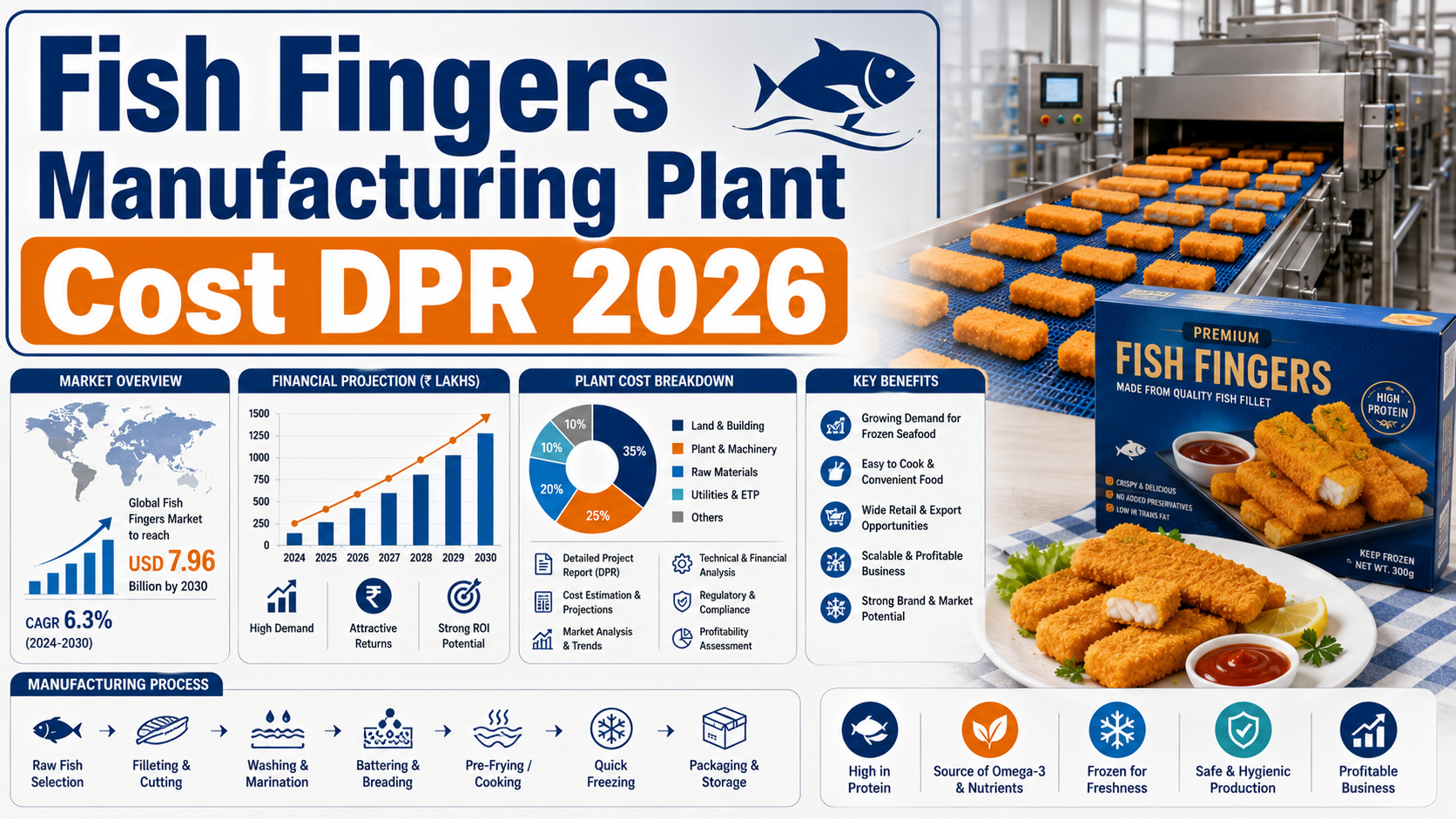
Establishing a fish fingers manufacturing plant offers a promising investment opportunity in the expanding global processed seafood and convenience food industry. Market growth is being fueled by increasing consumer demand for quick, nutritious, and cost-effective meal options, along with the rising popularity of ready-to-cook frozen foods. Fish fingers have become a staple product across households, restaurants, school meal programs, quick-service restaurants, and institutional catering, making them a commercially attractive product with broad market appeal. The continued expansion of cold chain logistics, growing awareness of the nutritional benefits of seafood, and increasing demand for convenient frozen food products are further supporting market growth. Investors and entrepreneurs entering this sector can capitalize on consistent consumer demand, scalable manufacturing operations, and well-established distribution networks spanning supermarkets, foodservice providers, and international export markets.
Unveiling the World of Fish Fingers
Fish fingers, commonly referred to as fish sticks in North America, are a widely consumed processed seafood product made from boneless white fish fillets such as cod, pollock, haddock, hoki, or other suitable fish species. The fillets are cut into uniform portions, coated with seasoned batter and breadcrumbs, and then partially cooked before being frozen to preserve freshness and quality. Originally introduced during the 1950s as a convenient method of making seafood more accessible to consumers, fish fingers have evolved into one of the world's most popular frozen food products. Their consistent size, mild flavor, ease of preparation, and versatility have made them a favorite among children and adults alike.
The manufacturing process typically begins with the preparation and inspection of fish fillets, followed by cutting them into standardized finger-shaped portions. These pieces are then coated with batter, covered with breadcrumbs, partially fried or baked to set the coating, rapidly frozen using advanced freezing technology, and packaged under controlled conditions to maintain product quality and extend shelf life. The finished product delivers a crisp exterior, tender fish interior, and long frozen storage stability while allowing consumers to prepare meals quickly using an oven, air fryer, deep fryer, or skillet.
What are Fish Fingers Used For?
Fish fingers are widely used across both retail and foodservice sectors due to their convenience, versatility, and broad consumer acceptance. In households, they are commonly served as quick meals, children's lunch options, snacks, and convenient weeknight dinners. Within the foodservice industry, fish fingers are extensively utilized in restaurants, quick-service chains, school cafeterias, institutional catering, hospitals, airline catering, and hospitality establishments. They are also incorporated into a variety of menu offerings, including sandwiches, wraps, burgers, tacos, salads, rice bowls, and seafood platters, providing operators with flexible meal solutions.
From a nutritional perspective, fish fingers provide a convenient source of high-quality protein, beneficial omega-3 fatty acids, vitamins, and essential minerals such as phosphorus, iodine, and selenium. As consumers increasingly seek healthier and more sustainable food choices, manufacturers are expanding their product portfolios with baked instead of fried variants, gluten-free coatings, whole-grain breadcrumbs, reduced-sodium formulations, and products made from sustainably sourced seafood. These innovations are helping fish fingers appeal to health-conscious consumers while supporting continued growth in the global frozen seafood market.
Plant Capacity and Production Scale:
A fish fingers manufacturing plant can be established at varying scales depending on target markets and investment appetite. Small-to-medium-scale plants may process between 1 to 5 metric tons of finished product per day, while large-scale operations serving export markets or national retail chains may process 20 metric tons or more daily. Production capacity is influenced by raw fish processing throughput, coating and breading line speed, freezer tunnel capacity, and downstream packaging automation. This flexibility in scale allows investors to enter the market at a manageable capital commitment and expand as demand grows, catering to domestic retail chains, institutional buyers, and international export destinations.
Get the Sample Report: https://www.imarcgroup.com/fish-fingers-manufacturing-plant-project-report/requestsample
Key Factors for Fish Fingers Plant Setup Requirements
Establishing a fish fingers manufacturing plant requires careful evaluation of several critical factors that influence both setup costs and long-term operational efficiency:
- Raw Fish Supply and Cold Chain Integration: Securing a consistent, high-quality supply of white fish fillets whether fresh or frozen is the single most important operational requirement. Proximity to fishing ports, fish processing hubs, or established seafood distributors reduces logistics costs and ensures raw material freshness. An uninterrupted cold chain from raw material intake to finished product dispatch is essential.
- Processing Technology and Equipment: The selection of industrial filleting and portioning machines, battering and breading systems, continuous frying or baking tunnels, blast freezers, and automated packaging lines determines production efficiency. The level of automation also has a direct impact on labor requirements and the fish fingers manufacturing plant setup cost.
- Food Safety Compliance and Certifications: Fish fingers are subject to stringent food safety regulations including HACCP, ISO 22000, and local health authority approvals. Cold storage temperature management, allergen control (particularly for wheat-based coatings), and seafood sourcing certifications (such as MSC) are mandatory compliance requirements for export-oriented plants.
- Location and Infrastructure: Proximity to fish landing centers or cold storage depots, access to reliable electricity for refrigeration systems, availability of clean water for processing, and proximity to major distribution hubs all significantly impact operational logistics and overall fish fingers manufacturing cost analysis.
Detailed Process Flow and Quality Control
The manufacturing process for fish fingers involves a carefully sequenced series of food processing operations, each critical to achieving consistent product quality and food safety compliance:
- Unit Operations Involved: Key production stages include raw fish receiving and inspection, thawing (if using frozen fish), filleting and skinning, portioning into uniform rectangular shapes, tempering and pre-dusting, batter application, breadcrumb coating, continuous frying or oven-baking for pre-cooking, blast freezing, metal detection, and automated packaging.
- Mass Balance and Raw Material Requirements: For every kilogram of finished fish fingers produced, approximately 1.3 to 1.6 kg of raw fish fillet is required, accounting for trim loss and moisture loss during processing. Additional inputs include breadcrumbs or panko coating, batter mix, vegetable oil or frying oil, and food-grade packaging materials.
- Quality Assurance Criteria: Quality benchmarks for fish fingers include fish content percentage per piece (typically minimum 50–60%), coating adhesion and color uniformity, internal temperature after cooking (minimum 75°C), moisture content, and absence of bones or foreign materials. Technical tests include sensory evaluation, microbiological testing, fat content analysis, and allergen verification to meet food safety standards and consumer expectations.
Buy Report Now: Checkout | Fish Fingers Manufacturing Plant Report 2026 | Setup Cost
Cost of Setting Up a Fish Fingers Manufacturing Plant:
The total investment required to establish a fish fingers manufacturing facility is influenced by several interrelated factors including plant scale, level of automation, cold storage capacity, location, and regulatory compliance obligations. A comprehensive cost assessment covering both capital and operational expenditure is essential for sound financial planning.
CapEx and OpEx Analysis for Fish Fingers Manufacturing Cost:
- Raw Material Costs: The cost of white fish fillets whether cod, pollock, haddock, or other species is the largest variable cost component. Fish prices fluctuate based on seasonal availability, global seafood market dynamics, and sustainability certifications. Sourcing from multiple suppliers or maintaining strategic frozen inventory helps manage price volatility.
- Capital Investment: Initial plant setup costs encompass fish processing equipment, coating and breading systems, industrial blast freezers and cold storage rooms, packaging lines, building construction, and utility installations. These upfront investments are amortized over the plant's operational life and are a key consideration in profitability modeling.
- Operational Costs: Ongoing costs include direct labor (filleting, coating, quality control, and packaging workers), energy for refrigeration and cooking, water for processing and cleaning, replacement oils for frying lines, packaging materials, and maintenance of food-grade machinery. Energy-efficient refrigeration systems can significantly reduce utility costs over time.
- Fish Content and Coating Quality: The ratio of fish to coating directly impacts raw material consumption and production cost per unit. Products with higher fish content (premium positioning) carry higher ingredient costs but command better pricing in retail. Maintaining consistent coating thickness and color is critical for consumer satisfaction and brand reputation.
- Manufacturing Capacity: Larger production volumes yield economies of scale through lower per-unit capital costs, better raw material pricing leverage, and more efficient use of labor and energy. Plants targeting export markets or large retail chains benefit from higher utilization rates and more favorable unit economics.
- Location and Market Conditions: Proximity to fish processing zones or fishing ports reduces raw material logistics costs. Access to cold chain distribution infrastructure, port connectivity for exports, and proximity to major urban consumer markets all affect operational efficiency and the overall fish fingers manufacturing plant cost.
Why Invest in Fish Fingers Manufacturing?
Compelling factors:
- High and Stable Consumer Demand: Fish fingers are among the most consistently purchased frozen food products worldwide, with demand underpinned by family convenience, school feeding programs, and foodservice channels providing reliable revenue streams for manufacturers.
- Alignment with Health and Nutrition Trends: Growing consumer awareness of the health benefits of seafood including lean protein and omega-3 fatty acids is driving increased consumption of fish-based convenient foods, expanding the addressable market for fish finger manufacturers.
- Expanding Cold Chain and Retail Infrastructure: Rapid growth in organized retail, supermarkets, and frozen food sections globally particularly across emerging markets in Asia, the Middle East, and Africa is creating new distribution channels and increasing accessibility for fish finger products.
- Product Innovation and Premiumization Opportunities: Manufacturers can differentiate through gluten-free coatings, sustainably sourced fish certifications, organic ingredients, seasoned varieties, and air-fry-optimized formulations all commanding premium price points and attracting health-conscious consumers.
- Export Market Potential: Fish fingers have strong international demand, particularly in Europe, North America, the Middle East, and Southeast Asia. Plants in regions with abundant fish supply and competitive labor costs are well-positioned for export, benefiting from global seafood trade networks.
Ask An Analyst: https://www.imarcgroup.com/request?type=report&id=12651&flag=C
Leading Fish Fingers Manufacturers
The global fish fingers market is served by a mix of large multinational food companies, seafood specialists, and regional processors. Key manufacturers include:
- Nomad Foods (Birds Eye and Iglo brands)
- Young's Seafood (UK)
- Gorton's (USA)
- Dr. Paul Lohmann (Europe)
- High Liner Foods (North America)
- Thai Union Group
- Clearwater Seafoods
Timeline to Start the Plant
- Feasibility study and project report preparation
- Land acquisition and site development
- Regulatory approvals and food safety clearances
- Factory licence and fire safety compliance
- Machinery procurement and installation
- Cold storage and refrigeration commissioning
- Raw material supplier agreements and supply chain setup
- Trial production and quality testing
- Commercial production launch
Licences and Regulatory Requirements
Starting a fish fingers manufacturing unit requires several approvals:
- Business registration (Proprietorship, LLP, or Pvt Ltd)
- FSSAI License (Food Safety and Standards Authority of India) or equivalent national food authority registration
- Factory Licence under the Factories Act
- Environmental Clearance from State Pollution Control Board
- GST Registration
- Fire Safety NOC
- Cold Storage and Refrigeration Equipment Compliance
- Effluent Treatment Plant (ETP) operational clearance for fish processing wastewater
- Export-oriented units: MPEDA/EIC registration and BIS/ISO certifications
Frequently Asked Questions:
1. How much does it cost to set up a fish fingers manufacturing plant?
The total setup cost varies depending on plant capacity, level of automation, cold storage requirements, and location. It typically covers land, civil construction, fish processing and coating equipment, blast freezers, packaging lines, utilities, and working capital. A detailed feasibility report provides accurate, project-specific cost estimates.
2. Are fish fingers manufacturing profitable in 2026?
Yes. Fish fingers manufacturing offers strong profitability potential, supported by robust and growing demand across retail, foodservice, school feeding programs, and export markets. Profit margins depend on raw fish sourcing efficiency, cold chain management, production scale, and product positioning (standard vs. premium/organic).
3. What machinery is required for a fish fingers manufacturing plant?
Core equipment includes fish filleting and portioning machines, batter applicators, breadcrumb coating systems, continuous frying or baking tunnels, blast freezers, cold storage rooms, metal detectors, and automated packaging lines. A fully integrated line with IQF (individually quick frozen) technology ensures consistent product quality.
4. What licences and approvals are required to start a fish fingers manufacturing plant?
Typical requirements include business registration, FSSAI or national food authority license, factory licence, environmental clearance, GST registration, fire safety approval, and cold chain compliance certifications. Export-oriented plants require additional certifications such as MPEDA, EIC, MSC, or BRC Global Standards, depending on target markets.
5. What raw materials are needed for fish fingers manufacturing?
Primary raw materials include white fish fillets (cod, pollock, haddock, or other species fresh or frozen). Secondary inputs include breadcrumbs or panko coating, batter mix (flour, starch, spices), vegetable or frying oil, and packaging materials (film, cartons, freezer bags). Sustainable sourcing certifications add value in premium markets.
6. What are the environmental compliance requirements for a fish fingers manufacturing plant?
Fish processing generates wastewater with high BOD/COD levels from fish blood, scales, and processing residues. Manufacturers must install effluent treatment plants, comply with discharge norms, manage solid fish waste responsibly (via composting, fishmeal conversion, or licensed disposal), and maintain air quality standards for frying emissions.
7. What is the best location to set up a fish fingers manufacturing plant?
Ideal locations are near fish landing centers, fishing ports, or established seafood processing zones to minimize raw material logistics costs. Access to reliable electricity (critical for blast freezers), clean industrial water, road/port connectivity for distribution, and proximity to cold chain logistics networks are also key site selection criteria.
8. What is the break-even period for this type of plant?
The break-even period typically ranges from 3 to 5 years, depending on plant scale, capital investment, raw fish sourcing efficiency, production utilization rates, and market pricing. Plants with high-capacity automated lines and strong retail or export contracts tend to achieve break-even faster.
9. What government incentives are available for manufacturers?
Governments in many countries offer incentives for seafood processing investments, including capital subsidies under fisheries development schemes, tax holidays in export processing zones, interest subsidies on term loans, export promotion incentives, and infrastructure support through seafood parks and processing clusters.
Contact Us:
IMARC Group
134 N 4th St. Brooklyn, NY 11249, USA
Email: [email protected]
Tel No: (D) +91 120 433 0800
United States: (+1-201-971-6302)
