
Electric Vehicle Battery Manufacturing Plant Cost 2026: Investment, Capacity, and ROI AnalysisBusiness Planning Consulting ServicesUpdated on Apr 22, 2026 View more like this | Visit United States Minor Outlying Islands, UN | Contact IMARC Group |
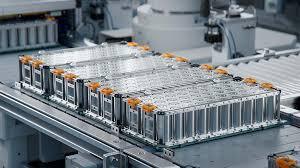
The transition toward clean and sustainable transportation is accelerating globally, making electric vehicles (EVs) one of the fastest-growing industries. At the core of this transformation is the electric vehicle battery sector, which is witnessing exponential growth due to rising EV adoption, supportive government policies, and continuous technological advancements. The global electric vehicle battery market was valued at USD 74.92 billion in 2025 and is expected to reach USD 455.24 billion by 2034, growing at a CAGR of 22.2% from 2026 to 2034. This rapid expansion presents a significant opportunity for investors looking to establish an electric vehicle battery manufacturing plant.
Market Overview and Growth Potential
The electric vehicle battery market is driven by increasing environmental awareness and the global push toward reducing carbon emissions. Governments across the world are offering incentives and subsidies to promote EV adoption, further boosting demand for batteries. Additionally, advancements in battery chemistry, improved energy density, and longer battery life are making electric vehicles more efficient and accessible. The growth of renewable energy systems and energy storage solutions is also contributing to the rising demand for EV batteries, making this sector highly attractive for long-term investment.
Electric Vehicle Battery Plant Capacity
The proposed manufacturing facility is designed with an annual production capacity ranging between 1 to 5 GWh. This capacity allows manufacturers to achieve economies of scale while maintaining operational flexibility. Higher production capacity reduces per-unit costs and ensures the ability to meet increasing demand from the automotive and energy sectors. A scalable capacity also allows businesses to expand operations as market demand grows.
Manufacturing Process of EV Batteries
The electric vehicle battery manufacturing process involves several complex and highly controlled stages. The process begins with raw material preparation, where lithium iron phosphate (LFP) powder and other materials are processed. This is followed by electrode manufacturing, where materials are coated and prepared for assembly. The next stage involves cell assembly, where battery cells are formed and filled with electrolytes. The batteries then undergo formation and testing to ensure performance and safety standards. Finally, battery packs are assembled and prepared for distribution. Each step requires precision, advanced machinery, and strict quality control to ensure high performance and reliability.
Request a Sample Report: https://www.imarcgroup.com/electric-vehicle-battery-manufacturing-plant-project-report/requestsample
Machinery and Technology Requirements
Setting up an electric vehicle battery manufacturing plant requires advanced machinery and automation systems. Key equipment includes mixing and coating machines, electrode cutting and stacking machines, cell assembly lines, formation and testing systems, and battery pack assembly units. The use of advanced technology improves production efficiency, ensures consistent quality, and reduces operational costs over time. Automation plays a critical role in minimizing human error and increasing productivity, making it a vital component of modern battery manufacturing facilities.
Capital Investment (CapEx) Overview
The capital expenditure required to set up an electric vehicle battery manufacturing plant includes land acquisition, site development, civil construction, machinery and equipment, and utility infrastructure. Additional costs include installation, testing, and pre-operative expenses. Machinery and advanced technology systems represent a significant portion of the total CapEx due to the complex nature of battery production. Proper planning and investment in high-quality equipment are essential to ensure long-term operational efficiency and profitability.
Operating Cost Structure (OpEx)
Operating costs are a key factor in determining the profitability of the plant. The cost structure is primarily driven by raw materials, which account for approximately 70–80% of total operating expenses. Lithium iron phosphate (LFP) powder is the main cost component in battery production. Utilities such as electricity and water contribute around 10–15% of operating costs, while other expenses include labor, maintenance, and logistics. Efficient sourcing of raw materials and optimization of production processes are crucial for controlling operating costs and improving margins.
Profitability and ROI Analysis
The electric vehicle battery manufacturing plant demonstrates strong profitability potential under normal operating conditions. Gross profit margins typically range between 20–30%, while net profit margins are around 5–10%. These margins are supported by high demand and the value-added nature of battery products. Return on investment depends on factors such as production capacity, cost efficiency, and market demand. Although the initial investment is high, the long-term growth prospects and increasing demand for EV batteries make this a financially viable business opportunity.
Financial Projections and Feasibility
Financial projections for an electric vehicle battery manufacturing plant are based on realistic assumptions regarding capital investment, operating costs, production capacity utilization, and market trends. These projections provide a clear understanding of profitability, return on investment, and long-term sustainability. A well-developed financial model helps investors assess risks, plan resources effectively, and make informed decisions.
Market Opportunities
The electric vehicle battery market offers significant growth opportunities due to rising EV adoption and the expansion of renewable energy systems. Increasing investments in charging infrastructure and advancements in battery technology are further driving demand. The growing need for energy storage solutions in residential, commercial, and industrial sectors is also contributing to market expansion. These factors create a strong foundation for long-term growth in the EV battery manufacturing industry.
Challenges and Risk Factors
Despite its strong growth potential, the EV battery manufacturing industry faces certain challenges. High capital investment, raw material price fluctuations, and complex manufacturing processes can impact profitability. Additionally, compliance with environmental and safety regulations requires careful planning and implementation. Addressing these challenges through efficient operations and strategic planning is essential for long-term success.
Ask Analyst for Customized Report: https://www.imarcgroup.com/request?type=report&id=22772&flag=C
Plant Setup Considerations
Setting up an electric vehicle battery manufacturing plant requires careful consideration of several factors. The site should be selected based on proximity to raw material suppliers, availability of utilities, and access to transportation networks. The plant layout should be optimized for efficient workflow, with separate areas for production, storage, and quality control. Safety measures and environmental compliance systems must be implemented to ensure smooth operations. Quality assurance systems should also be integrated throughout the production process to maintain product consistency and meet industry standards.
Future Outlook
The future of the electric vehicle battery industry is highly promising, driven by increasing global demand for sustainable transportation and energy solutions. Continuous advancements in battery technology and supportive government policies are expected to further accelerate market growth. As the world moves toward a cleaner and greener future, the demand for electric vehicle batteries will continue to rise, making this industry a key area for investment.
Conclusion
Setting up an electric vehicle battery manufacturing plant in 2026 offers a significant opportunity for investors to capitalize on a rapidly growing market. With strong demand, favorable profit margins, and long-term growth potential, this sector presents a compelling business case. By focusing on efficient production processes, advanced technology, and strategic cost management, businesses can establish a successful and sustainable operation in the electric vehicle battery industry.
