
Three Things You Should Be Asking When Buying a New RadiatorHeating RadiatorsUpdated on Mar 12, 2018 View more like this | Visit United Kingdom, UN | Contact Designer Radiators Direct |
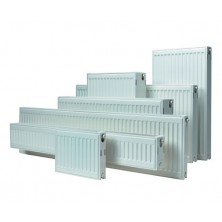
If you are considering buying a new radiator for your home, then there are three key questions that you need to be asking in order to ensure that you end up with a model than works best for the space. Today, we are going to explore these questions in depth and explain to you why they are so important.
Many people choose to buy their radiator based on appearance alone. This can work out from time-to-time, but more often than not, it’s a false pretence because you can easily end up with a radiator that does not provide you with the functionality required for the space. Before you buy your new radiators, please consider the following three questions.
1. What Will Be the Impact of Your New Radiator on Your Existing Central Heating System?
Whenever you replace or add a new radiator to a central heating system, it will have an impact on the boiler. It could either increase or decrease the pressure within the system. For example, larger, double panel plus radiators may increase the amount of water in the system, meaning the boiler has to work harder.
With an old boiler, or a less powerful boiler, this can cause problems because it may not be able to provide the system with adequate amounts of heat. This issue tends to happen when you're adding an additional radiator to a system, rather than when you simply swap an old radiator for your new one.
A new radiator can also change the pressure within the system. This is relatively easy to address and simply requires that you balance the radiators.
Before you buy a radiator, it’s worth consulting a heating specialist to ensure that the radiator will have a positive effect on the system, or they can deal with any issues if it does have a negative effect.
2. Will You Need to Install New Water Pipes?
Unless you have very old radiators that you are changing for new radiators, it’s unlikely that you will need to make changes to the pipes. However, if you are thinking of placing a radiator in a new position, then you will need to factor in for the additional costs that this will entail. Here, you will need a plumber to extend the piping in your home, and this can be expensive – particularly if they need to lift the flooring.
Being aware of the issue will help you to make better decisions. For example, you may have to buy an electric radiator or pay the extra for new piping. Knowing this beforehand will help you to better prepare yourself (and your finances).
3. Does the Radiator Provide Enough Heat?
Finally, you need to ensure that the radiator provides the room with sufficient heat. Nowadays, we have several technologies that will improve the amount of heat produced, without increasing running costs or taking up more space. For example, double panel plus radiators produce up to 3x as much heat as single panel radiators do, but take up the same amount of useable wall space. It’s important that you match the heat output of the radiator to the heat requirements of the room. To do this, you can use a BTU calculator that will help you to work out how much heat is required in the room. You then match the BTU to the radiator.
We hope that you have found this article informative and useful. If you would like further help and advice, then please visit https://www.designerradiatorsdirect.co.uk/
Many people choose to buy their radiator based on appearance alone. This can work out from time-to-time, but more often than not, it’s a false pretence because you can easily end up with a radiator that does not provide you with the functionality required for the space. Before you buy your new radiators, please consider the following three questions.
1. What Will Be the Impact of Your New Radiator on Your Existing Central Heating System?
Whenever you replace or add a new radiator to a central heating system, it will have an impact on the boiler. It could either increase or decrease the pressure within the system. For example, larger, double panel plus radiators may increase the amount of water in the system, meaning the boiler has to work harder.
With an old boiler, or a less powerful boiler, this can cause problems because it may not be able to provide the system with adequate amounts of heat. This issue tends to happen when you're adding an additional radiator to a system, rather than when you simply swap an old radiator for your new one.
A new radiator can also change the pressure within the system. This is relatively easy to address and simply requires that you balance the radiators.
Before you buy a radiator, it’s worth consulting a heating specialist to ensure that the radiator will have a positive effect on the system, or they can deal with any issues if it does have a negative effect.
2. Will You Need to Install New Water Pipes?
Unless you have very old radiators that you are changing for new radiators, it’s unlikely that you will need to make changes to the pipes. However, if you are thinking of placing a radiator in a new position, then you will need to factor in for the additional costs that this will entail. Here, you will need a plumber to extend the piping in your home, and this can be expensive – particularly if they need to lift the flooring.
Being aware of the issue will help you to make better decisions. For example, you may have to buy an electric radiator or pay the extra for new piping. Knowing this beforehand will help you to better prepare yourself (and your finances).
3. Does the Radiator Provide Enough Heat?
Finally, you need to ensure that the radiator provides the room with sufficient heat. Nowadays, we have several technologies that will improve the amount of heat produced, without increasing running costs or taking up more space. For example, double panel plus radiators produce up to 3x as much heat as single panel radiators do, but take up the same amount of useable wall space. It’s important that you match the heat output of the radiator to the heat requirements of the room. To do this, you can use a BTU calculator that will help you to work out how much heat is required in the room. You then match the BTU to the radiator.
We hope that you have found this article informative and useful. If you would like further help and advice, then please visit https://www.designerradiatorsdirect.co.uk/
