
A Brief Guide to Help You Get the Most from Your RadiatorsHeating RadiatorsUpdated on Dec 1, 2017 View more like this | Visit United Kingdom, UN | Contact Designer Radiators Direct |
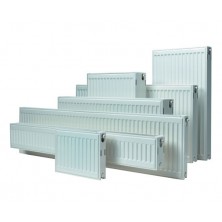
Winter has firmly arrived in the UK, and it’s that time of year when many of us turn our attentions to our radiators. Choosing a radiator is relatively straightforward, but there are a few things that will help you to make the best choices when it comes to buying and installing your new radiator. We cover the basics below.
Heat Output and Size
In general, the size of the radiator has a direct effect on its heat output when compared to an identical model of a different size. In practice, radiators come with all sorts of whistles and bells that have an effect on heat output. For example, a double panel plus radiator of 1m by .5m will produce more heat than a single panel plus radiator of the same dimensions.
Instead of focusing on size, when choosing your radiator, you need to pay attention to wattage or British Thermal Units (BTU). These tell you how much heat the radiator can produce.
To establish how many BTU you require in a room, you can use a BTU calculator. All you need to do is enter the dimensions of the room, which room it is, and whether you prefer it cool, warm, or hot, and it will tell you how many BTU you need.
Choice of Valves
You should buy radiators that sport thermostatic radiator valves (TRVs), rather than manual valves. The vast majority of radiators have TRVs. They are much more efficient than the old-style, manual, valves were. They allow the radiator to automatically adjust its flow of water so that it can maintain the desired temperature. This means that the radiator will never produce more heat than is required, and so helps to minimise heat wastage.
Choice of Material
The choice of material does have an effect on heat output. A quick rule of thumb is that the shinier and more reflective the finish, the less heat it will produce. For example, anthracite horizontal radiators (these have a dark matt finish) will be more efficient than polished radiators.
As well as considering heat output, you should also consider durability. Most experts recommend buying painted stainless steel radiators because they are particularly resistant to rust, as well as to bumps and dents. It’s a strong and sturdy material.
Cast iron is also a good choice. It is highly efficient in terms of heat output, and it is also incredibly robust. It does have an unusual weakness though: if you happen to drop the radiator, it can shatter. However, given that you won’t be carrying your radiator around with you, and that it will be attached the wall and/or floor, it’s highly unlikely that you will drop it and the only risk really is during the installation process.
Conclusion
Paying attention to the details outlined above will help to ensure that you make the best decisions when it comes to buying your new radiators. You will be able to match the radiator to the room in such a way that it produces sufficient heat at a relatively low cost.
Are you interested in buying a new radiator, or would you like further help and advice about choosing a new radiator? If you do, please visit https://www.designerradiatorsdirect.co.uk/.
Heat Output and Size
In general, the size of the radiator has a direct effect on its heat output when compared to an identical model of a different size. In practice, radiators come with all sorts of whistles and bells that have an effect on heat output. For example, a double panel plus radiator of 1m by .5m will produce more heat than a single panel plus radiator of the same dimensions.
Instead of focusing on size, when choosing your radiator, you need to pay attention to wattage or British Thermal Units (BTU). These tell you how much heat the radiator can produce.
To establish how many BTU you require in a room, you can use a BTU calculator. All you need to do is enter the dimensions of the room, which room it is, and whether you prefer it cool, warm, or hot, and it will tell you how many BTU you need.
Choice of Valves
You should buy radiators that sport thermostatic radiator valves (TRVs), rather than manual valves. The vast majority of radiators have TRVs. They are much more efficient than the old-style, manual, valves were. They allow the radiator to automatically adjust its flow of water so that it can maintain the desired temperature. This means that the radiator will never produce more heat than is required, and so helps to minimise heat wastage.
Choice of Material
The choice of material does have an effect on heat output. A quick rule of thumb is that the shinier and more reflective the finish, the less heat it will produce. For example, anthracite horizontal radiators (these have a dark matt finish) will be more efficient than polished radiators.
As well as considering heat output, you should also consider durability. Most experts recommend buying painted stainless steel radiators because they are particularly resistant to rust, as well as to bumps and dents. It’s a strong and sturdy material.
Cast iron is also a good choice. It is highly efficient in terms of heat output, and it is also incredibly robust. It does have an unusual weakness though: if you happen to drop the radiator, it can shatter. However, given that you won’t be carrying your radiator around with you, and that it will be attached the wall and/or floor, it’s highly unlikely that you will drop it and the only risk really is during the installation process.
Conclusion
Paying attention to the details outlined above will help to ensure that you make the best decisions when it comes to buying your new radiators. You will be able to match the radiator to the room in such a way that it produces sufficient heat at a relatively low cost.
Are you interested in buying a new radiator, or would you like further help and advice about choosing a new radiator? If you do, please visit https://www.designerradiatorsdirect.co.uk/.
