
How Do I Know If I Need Scoliosis Surgery?Medical ClinicUpdated on Oct 11, 2023 View more like this | Visit UNION, NJ | Contact Amelia Grant |
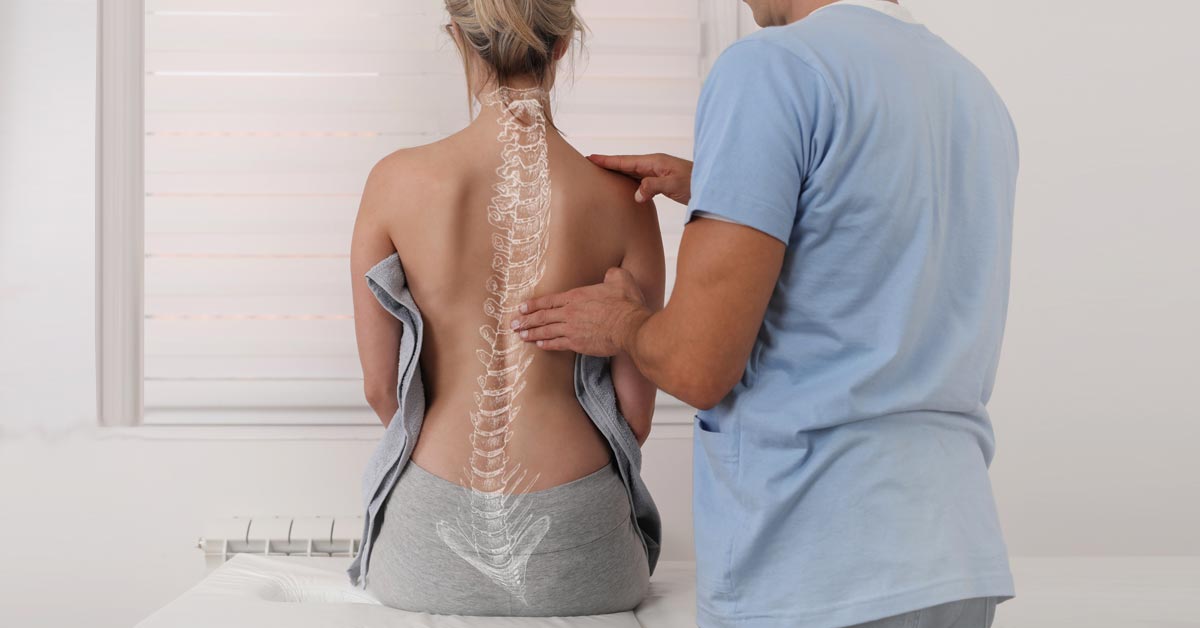
When is scoliosis surgery necessary?
Did you know that in most cases, even those with severe scoliosis, do not necessarily require surgery? Actually, only 0.1% of scoliosis cases necessitate surgery. Most doctors advocate surgery because they are either unaware of the contemporary and successful non-invasive treatments available or wrongly feel they do not work.
Before deciding on surgery, patients and parents should understand why scoliosis surgery is necessary (or not) and the potential risks that can come with it.
Surgery is probably the right choice if you have the following:
1. Inability to regulate one's bladder or bowels as a result of nerve or spinal cord damage. This is classified as a surgical emergency.
2. Chronic and intractable pain. Patients who are in excruciating pain interfering with their everyday activities may require surgery as a last resort to experience pain relief. Patients with scoliosis who also have significant spinal degeneration, spinal stenosis, or lateral listhesis may experience severe and agonizing pain, nerve damage, or even fractures from osteoporosis. Surgery may be required in some circumstances.
3. Weakness or withering of an arm or leg caused by nerve injury caused by pinched nerves caused by scoliosis.
4. Postural collapse. In severe cases of scoliosis, the posture can collapse. This is an extremely painful and disabling disorder that necessitates major surgery as the only way to lessen the collapse and improve posture.
5. Compromised lung and heart function. The deformation of the rib cage can impact one's ability to breathe regularly or the normal function of the heart in a tiny fraction of people with severe upper back scoliosis. Scoliosis surgery may be required in cases of severely damaged heart or lung function.
If none of these scenarios apply to you, non-invasive treatments may be an excellent way to relieve scoliosis discomfort, enhance cosmetics, and teach you how to avoid curve development. Non-invasive treatments for teenage idiopathic and degenerative scoliosis can also be effective.
Risks Both During And After Surgery
Almost all surgical procedures include some risks, but scoliosis surgery can cause problems both during and after the treatment.
Unpredictable reactions to anesthesia or postoperative pain medication, bleeding, blood clots, infection, gallstones or pancreas inflammation, intestinal blockage, and nerve damage resulting in muscle weakness or paralysis can all be risks caused by surgery.
Other dangerous diseases may appear months, if not years, following the procedure.
For example, you could get pseudarthrosis, a painful condition in which a fake joint forms at the site of the fusion. This occurs when the surgical site does not heal properly or at all.
Some people with a fused spine have limited mobility, which can cause back pain and eventually lead to disc degeneration.
The metal rod or hook that holds the spine in place may shift, rub, or break. This can lead to pain, breaking, or displacing the disk.
Unfortunately, a high number of patients require revision surgery to fix a range of problems that occurred during their initial procedure. Revision surgery, sometimes known as "salvage surgery," is an attempt to readdress a patient's scoliosis and reposition or replace hardware, or it might occur to treat an infection or deformity. Long-term revision surgery rates can surpass 25%.
So, before taking a scoliotic surgery, ensure this is only your option.
