
5 COMMON PROJECT MANAGEMENT MISTAKES TO AVOIDProject ManagementUpdated on May 15, 2020 View more like this | Visit UKIAH, CA | Contact Susan Saurel |
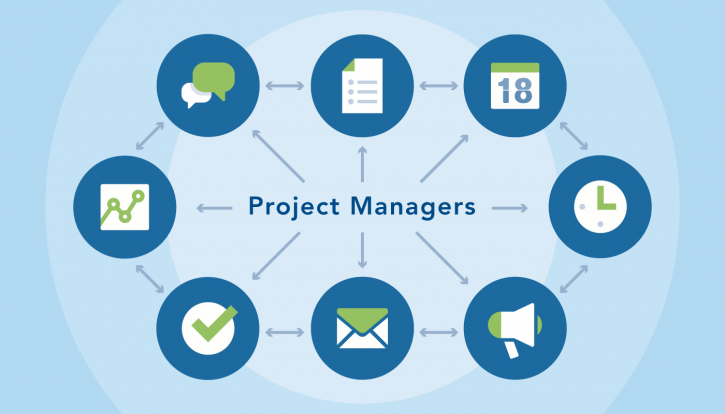
If we are to boil down project management down to its most basic principles, then it’s about two main things: keeping things predictable and keeping risks to a minimum. Whatever project management strategies you eventually go for, what you’ll be looking to achieve for your business in the end is that your project works according to plan.
From this angle, you can see that project management success is a lot more likely if you work to avoid common mistakes, rather waiting to commit them and fixing them later on. These mistakes have a way of building up and getting more serious over time. Even the best laid plans can be made to crumble in the face of common project management mistakes.
There are a lot of mistakes you need to avoid when managing your project, however, some are obviously more common and severe and it’s therefore important to take extra care to avoid those. I made this list of the 5 most pertinent. Avoid these 5 mistakes and your chances of success should at least double.
1. The Project Goals are Unclear
This might sound strange, but there are actually a lot of projects that haven’t clearly defined their goals. I mean, sure, the stakeholders know exactly what they want in the end; they know what their desired outcome is. However, they can’t exactly say what their goal is and they don’t know which KPIs (Key Performance Indicators) to use to measure whether they were successful or not.
This mistake is a pretty common one, actually, and is capable of negatively impacting the success of even the best-planned projects. The main reason why goal setting can be poor in a project is that the stakeholders haven’t come to an agreement about the direction of the project or how, exactly, they are going to measure its success. Also, a project can have unclear goals when there is an unplanned risk or the requirements suddenly change.
If you want to set clearer goals for your project, there are a few things you can do. First, you should make sure that all goals are SMART goals (Specific, Measurable, Attainable, Relevant, and Timely). There should also be agreement among the people involved in the project about where it should be headed and that should come right at the beginning.
The group should also be ready to reassess goals and recalibrate them based on historical records, especially if the project looks similar to some other that you have already done before and have a good feel for. You can use the historical records to check whether the goals you currently have are realistic and manageable.
2. Wrong Selection for the Team
There are two roles which should be played by every member of your team: these are their functional role, of course based on their skillset, and their psychological role, which has a bearing on the team chemistry and depends on the personality of the team member.
To get the right team, you should focus on a lot more than the set of skills that your team members have. You should also be mindful of how their personalities fit together. If your team members are having a hard time getting along, then you can forget about them collaborating for the success of the project, regardless of how well their skills work together.
The important thing to note here is that it is the personalities of the people that have the greatest say in how well the team will work together, rather than the mix of their technical skills. You should therefore factor soft skills, personalities, and values into your selection process.
There are many different roles team members might play in a team, such as managing the relationships between stakeholders, evaluating the results of the project, ensuring best practices are followed, and keeping everything on track, and motivating the team and challenging them to rise to the occasion and do better. All of these roles require different personalities and soft skills, not just technical skills.
3. Not Taking All Necessary Information Into Account
Many times when a complex project gets to a stumbling block, the key players are completely surprised and have no idea how it happens. On most of these occasions, the stumbling block was avoidable but the major stakeholders simply weren’t alerted in time.
The main reason why this is happening is because the reporting function of the project isn’t working like it’s supposed to. Many project managers consider report writing to be a phenomenally boring activity and therefore do it half-heartedly, often leaving out some of the most important information. Of course, if you don’t like report writing you can always outsource it to a UK dissertation writer or a similar professional. The result is that the stakeholders are left clueless about how the project is really doing and unforeseen delays seem to pop up out of nowhere.
If you want your project status report to be effective, there are some things you just cannot afford to leave out, such as the current, completed, and upcoming milestones of the project, along with a comparison of the estimated finish dates vs the actual ones. You should also have an exhaustive list of all the risks and issues plaguing the project and the changes you have made over the course of the life of the project. You also need to put together a list of the highest priority issues in the project that the stakeholders should pay attention to, as well as suggested actions they can take to mitigate these risks.
The most important person you should think about when you’re writing a project report is the stakeholder, and so you should make it as clear, concise, and short as possible with as much visualization of issues as possible. The whole idea here is that stakeholders understand the health status of the project at a glance and know which issues to pay the most attention to.
4. A Lack of Consistency in Correspondence
Checking in with your team regularly is an important part of ensuring the success of a project. They create a deep sense of accountability in your team and let everyone in the team know that you care about their performance. Check-ins also gives the team the signal that you are as engaged in the project as they are and that you are available in case they run across a problem.
Consistency is more important than frequency, when it comes to check-ins. Whether you’re checking in every day or once every month, it should be predictable and consistent. Once a workable rhythm is set, it should be maintained throughout the life of the project.
5. Issues of Scope
There is a very important concept here called scope creep. This is the tendency to add functions and features to a product or project above and beyond what was agreed on, and typically without discussion or authorization.
As a project manager, you have probably come across scope creep. Whenever a client asks for some addition to whatever the project is meant to deliver. You accept because it won’t really take that much more time or energy and a happy client is what you’re after anyway. However, these little things add up and the small changes eventually morph into a totally different set of goals for the project. KeepTruckin ELD is one of the most accurate devices, offering GPS tracking and e-logging.
Scope creep can occur when the exact scope creep of the project isn’t agreed upon earlier in the project. If there are major differences in expectations between project managers and stakeholders, someone is eventually going to overreach.
For you to prevent scope creep you need to involve the entire project team whenever there is a request for a change. Accept only requests which are fairly within the scope and discuss the scopes you don’t like before you fully reject them. You can even offer the client alternatives solutions, such as software, third party contractors, and so on.
Conclusion
Best Project Management Software needs you to be a careful planner who proactively manages clients and uses resources wisely. Whatever your strategies or tools, mistakes are easy to make. Start by avoiding the ones on this list, and you’ll be well on your way to making for a successful project.
From this angle, you can see that project management success is a lot more likely if you work to avoid common mistakes, rather waiting to commit them and fixing them later on. These mistakes have a way of building up and getting more serious over time. Even the best laid plans can be made to crumble in the face of common project management mistakes.
There are a lot of mistakes you need to avoid when managing your project, however, some are obviously more common and severe and it’s therefore important to take extra care to avoid those. I made this list of the 5 most pertinent. Avoid these 5 mistakes and your chances of success should at least double.
1. The Project Goals are Unclear
This might sound strange, but there are actually a lot of projects that haven’t clearly defined their goals. I mean, sure, the stakeholders know exactly what they want in the end; they know what their desired outcome is. However, they can’t exactly say what their goal is and they don’t know which KPIs (Key Performance Indicators) to use to measure whether they were successful or not.
This mistake is a pretty common one, actually, and is capable of negatively impacting the success of even the best-planned projects. The main reason why goal setting can be poor in a project is that the stakeholders haven’t come to an agreement about the direction of the project or how, exactly, they are going to measure its success. Also, a project can have unclear goals when there is an unplanned risk or the requirements suddenly change.
If you want to set clearer goals for your project, there are a few things you can do. First, you should make sure that all goals are SMART goals (Specific, Measurable, Attainable, Relevant, and Timely). There should also be agreement among the people involved in the project about where it should be headed and that should come right at the beginning.
The group should also be ready to reassess goals and recalibrate them based on historical records, especially if the project looks similar to some other that you have already done before and have a good feel for. You can use the historical records to check whether the goals you currently have are realistic and manageable.
2. Wrong Selection for the Team
There are two roles which should be played by every member of your team: these are their functional role, of course based on their skillset, and their psychological role, which has a bearing on the team chemistry and depends on the personality of the team member.
To get the right team, you should focus on a lot more than the set of skills that your team members have. You should also be mindful of how their personalities fit together. If your team members are having a hard time getting along, then you can forget about them collaborating for the success of the project, regardless of how well their skills work together.
The important thing to note here is that it is the personalities of the people that have the greatest say in how well the team will work together, rather than the mix of their technical skills. You should therefore factor soft skills, personalities, and values into your selection process.
There are many different roles team members might play in a team, such as managing the relationships between stakeholders, evaluating the results of the project, ensuring best practices are followed, and keeping everything on track, and motivating the team and challenging them to rise to the occasion and do better. All of these roles require different personalities and soft skills, not just technical skills.
3. Not Taking All Necessary Information Into Account
Many times when a complex project gets to a stumbling block, the key players are completely surprised and have no idea how it happens. On most of these occasions, the stumbling block was avoidable but the major stakeholders simply weren’t alerted in time.
The main reason why this is happening is because the reporting function of the project isn’t working like it’s supposed to. Many project managers consider report writing to be a phenomenally boring activity and therefore do it half-heartedly, often leaving out some of the most important information. Of course, if you don’t like report writing you can always outsource it to a UK dissertation writer or a similar professional. The result is that the stakeholders are left clueless about how the project is really doing and unforeseen delays seem to pop up out of nowhere.
If you want your project status report to be effective, there are some things you just cannot afford to leave out, such as the current, completed, and upcoming milestones of the project, along with a comparison of the estimated finish dates vs the actual ones. You should also have an exhaustive list of all the risks and issues plaguing the project and the changes you have made over the course of the life of the project. You also need to put together a list of the highest priority issues in the project that the stakeholders should pay attention to, as well as suggested actions they can take to mitigate these risks.
The most important person you should think about when you’re writing a project report is the stakeholder, and so you should make it as clear, concise, and short as possible with as much visualization of issues as possible. The whole idea here is that stakeholders understand the health status of the project at a glance and know which issues to pay the most attention to.
4. A Lack of Consistency in Correspondence
Checking in with your team regularly is an important part of ensuring the success of a project. They create a deep sense of accountability in your team and let everyone in the team know that you care about their performance. Check-ins also gives the team the signal that you are as engaged in the project as they are and that you are available in case they run across a problem.
Consistency is more important than frequency, when it comes to check-ins. Whether you’re checking in every day or once every month, it should be predictable and consistent. Once a workable rhythm is set, it should be maintained throughout the life of the project.
5. Issues of Scope
There is a very important concept here called scope creep. This is the tendency to add functions and features to a product or project above and beyond what was agreed on, and typically without discussion or authorization.
As a project manager, you have probably come across scope creep. Whenever a client asks for some addition to whatever the project is meant to deliver. You accept because it won’t really take that much more time or energy and a happy client is what you’re after anyway. However, these little things add up and the small changes eventually morph into a totally different set of goals for the project. KeepTruckin ELD is one of the most accurate devices, offering GPS tracking and e-logging.
Scope creep can occur when the exact scope creep of the project isn’t agreed upon earlier in the project. If there are major differences in expectations between project managers and stakeholders, someone is eventually going to overreach.
For you to prevent scope creep you need to involve the entire project team whenever there is a request for a change. Accept only requests which are fairly within the scope and discuss the scopes you don’t like before you fully reject them. You can even offer the client alternatives solutions, such as software, third party contractors, and so on.
Conclusion
Best Project Management Software needs you to be a careful planner who proactively manages clients and uses resources wisely. Whatever your strategies or tools, mistakes are easy to make. Start by avoiding the ones on this list, and you’ll be well on your way to making for a successful project.
