
Vitamin C and its effect on Dry skinWomen's Health Information & Referral ServicesUpdated on Oct 11, 2023 View more like this | Visit Pakistan, UN | Contact olivia lixx |
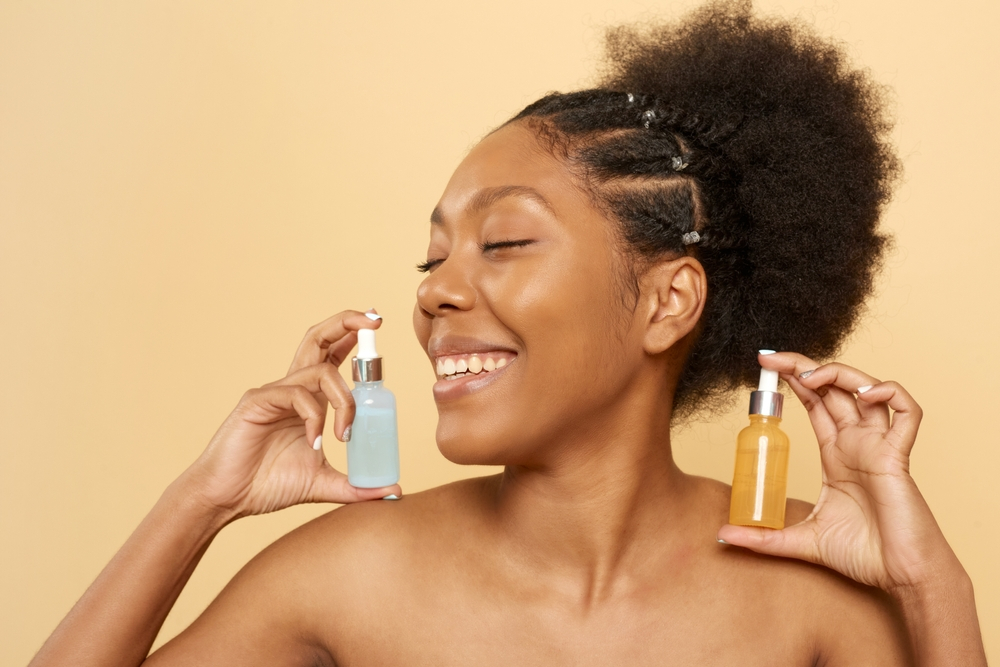
WHAT IS VITAMIN C? The good old vitamin C. Also called ascorbic acid in the trade. You probably know it mainly from the field of nutrition and, for some time now, perhaps also as a convincing skin care hero. Basically, vitamin C is a water-soluble and essential vitamin for us. We need it to survive and for all sorts of bodily functions. Of course also for healthy skin. Vitamin C plays a crucial role in the formation of collagen, proteins and fats. Because: Humans cannot produce vitamin C themselves and also cannot store it over a longer period of time! We are therefore dependent on external sources. Regular intake of vitamin C through food or dietary supplements is essential for us. If there is a lack of vitamin C in our organism and thus in our skin, it appears pale and flabby. So it's perfect that we can also apply vitamin C in the form of creams and serums directly where we want it. And even better, the positive effects of ascorbic acid on our skin have even been confirmed in some studies. But do you know what you should consider with vitamin C products?
2. EFFECT: WHAT DOES VITAMIN C SERUM DO ON THE SKIN? Antioxidant Vitamin C is one of the best-known antioxidants. And thanks to its antioxidant effect, it protects the skin from free radicals. These radicals are created during metabolic processes in our body or hit our skin through cigarette smoke, smog and UV radiation. In search of reaction partners, they destroy everything that gets in their way. Also innocent skin cells and their components. Vitamin C intercepts them like a shield and thus protects our skin from damage. She stays healthy and her protective barrier is strengthened. Vitamin C stabilizes the collagen structure Vitamin C can score twice here. On the one hand, through its antioxidant effect just mentioned and on the other hand by boosting collagen production. It strengthens the existing structure, creates even more stability at the same time and is even involved in the formation of vitamin E! Vitamin E also tightens the skin and keeps it elastic. The skin appears plumped up, plumper and small wrinkles disappear. Ciao saggy cheeks! The anti-inflammatory effect of vitamin C on blemished skin and acne Here, vitamin C gets to the root of the problem. Because micro-inflammations, which are significantly involved in the development of impurities, pimples and acne are effectively calmed by the antioxidant. The anti-inflammatory properties noticeably refine the complexion. Redness decreases and pimple marks heal faster. The formation of new pimples is also slowed down. The skin shines, looks healthier and more even. Pigment and sun spots Several studies show that vitamin C inhibits the skin's excessive production of melanin and lightens existing spots. Thanks to its antioxidant effect, it protects twice. Blame for the pigmentation is the oxidation of a specific amino acid. This is because it creates melanin. The cells of the outermost skin layer absorb this melanin and protect themselves from UV radiation by the brown discoloration.

3. THE SKIN TYPE QUESTION: IS VITAMIN C SERUM GOOD FOR THE SKIN? Yes! Because that's the great thing about vitamin C: We need it in our body and in our skin to feel healthy and look radiant. Regardless of whether you have impure, mature or normal skin - every skin type can benefit from the many advantages of this all-rounder. If you smoke, for example, I would strongly advise you to do so. Because the vitamin C requirement of smokers increases drastically. It can be up to 50% higher compared to non-smokers. Even with a cigarette, the body loses vitamin C and thus also the skin.
4. WHICH FORM OF ASCORBIC ACID IS BEST? Vitamin C serum is not just vitamin C serum. Pay attention to the form in which the vitamin C is present in the product of your choice and, above all, in what concentration! Ascorbic acid, pure vitamin C, is the most potent form. But beware! Ascorbic acid is also the most irritating to the skin. In addition, it is quite unstable and cannot be processed well in creams due to its water solubility. Sera with ascorbic acid should be consumed with caution. Therefore: Do not use too often and preferably not on sensitive skin. In addition to many other variants, the so-called derivatives (magnesium Ascorbyl phosphate, ethyl ascorbic acid, Ascorbyl palmitate, etc.), we at Timeless have opted for Ascorbyl glycosides. Ascorbyl Glycoside is also a water-soluble derivative, but much more stable than pure vitamin C. Here, ascorbic acid is combined with glucose and thus ensures a very pleasant serum texture. Therefore, it is considered the gold standard among vitamin C derivatives. Studies show the increased collagen synthesis, protection against free radicals and a reduction in pigment spots. Similar to Retinal Palmitate, which we use in our Retinol products, Ascorbyl Glycoside is also a precursor to the actual active form and is only converted in the skin. Our serum has a pH value of approx. 6. This enables a particularly skin-friendly application and there is significantly less irritation. So Ascorbyl Glycoside is especially great for you if you have sensitive skin and can't tolerate ascorbic acid but don't want to miss out on the benefits of vitamin C. And of course if you prefer a gentle serum with a light texture. Entirely in line with the timeless philosophy: Natural, sustainable and compatible.
5. WHAT CONCENTRATION MAKES THE MOST SENSE IN THE PRODUCTS? But it's all a question of concentration! There are countless vitamin C products on the market. It is important here that you approach it as always. Depending on the nature of your skin and how sensitive it is, you should start with a low concentration. Because when it comes to how much vitamin C our skin can really absorb, the experts don't quite agree. For us, it is particularly important to give the skin only as much as necessary and as little as possible at once. A concentration of 1.5% Ascorbyl Glycoside is best suited for this. This way you achieve great results and the serum is still gentle on the skin.
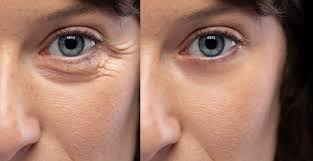
6. HOW DO I USE VITAMIN C SERUM CORRECTLY? Integrate the vitamin C serum into your routine in the morning and/or evening. In the morning it protects your skin from external influences during the day and in the evening your skin can absorb the active ingredient particularly well. It is important that you use the serum after cleansing and before the day or night cream. Because here the rule applies: Always apply from thin to thick! Apply the serum to your forehead, cheeks and chin. And if you like, pamper your neck and décolleté with vitamin C. You can dose it very practically with the pipette. Over time you will find the right dosage for you. Use just enough to cover your skin and allow it to absorb well. Start with a few drops and gently tap your fingers over your face to gently work the serum into your skin. If it has moved in well, you can continue with your further care as usual. It is best to store the vitamin C serum in a cool and tightly closed place. Sun is not always fun – sun protection is mandatory! Also provide your skin with sun protection of at least 30, because your skin becomes more sensitive to UV radiation if you use a vitamin C serum. Especially in higher concentrations, the ascorbic acid has an exfoliating effect. This means that the outermost horny layer detaches and releases fresh cells. Young skin is not yet able to protect itself well against the sun and urgently needs support. So don't forget the sunscreen!
Can I also combine the Vitamin C Serum with other products? Our vitamin C serum can be perfectly combined with other active ingredients and products from our range. A simultaneous use of vitamin C and additional vitamins and antioxidants is even recommended. Most people claim that the products should not be used together because of their pH levels. However, since we use a vitamin C derivative that is also stable in a less acidic environment, our serum does not affect the pH value of the skin (pH 5.5 - 6) in any way. Thus, other products remain rather unimpressed. If you give the individual layers enough time to penetrate your skin, there is nothing wrong with using them together with, for example, the AHA peeling. Provided your skin tolerates the individual active ingredients! I would also advise you to test the products individually for the time being so that you can really say exactly what is good for your skin.
