
When Is Necessary to Remove Your Child’s Milk Teeth?Pediatrics DentistsUpdated on Oct 11, 2023 View more like this | Visit NEW YORK, NY | Contact Amelia Grant |
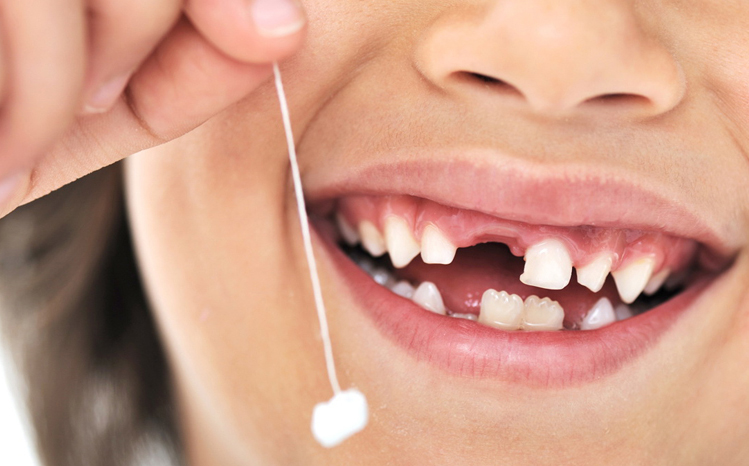
Causes of early teeth extraction
The main reason for early kids' tooth removal from the dental alveolus is its destruction, fracture, or widespread inflammation in the surrounding tissues. When it is impossible to perform proper full-fledged treatment, there is a danger of damage to the rudiment of a permanent dental element. Removal becomes the only possible way to prevent these risks.
Consequences of early removal of milk teeth
From the moment of eruption to falling out, milk teeth last 6-13 years. The central lower incisors change first. In addition to the main function - chewing food, the milk tooth saves space for a permanent element of dentition. The consequences of removing milk teeth can be the most serious. The remaining teeth are displaced, occupying free space. This can cause serious pathologies in the future.
Removal of a milk tooth in 3-4 years in some cases is a necessary measure. Unfortunately, it is fraught with some adverse consequences:
- In the absence of chewing teeth, the child cannot chew solid food well. “Unprepared” food enters the digestive system, which can cause gastrointestinal disorders and even gastrointestinal diseases.
- If the incisors are subject to extraction, your child may have impaired diction. When your child has no front teeth, they become the object of close attention and ridicule of his peers. Because of this, they become notorious and shy.
- Neighboring teeth, after the extraction of the damaged element, are displaced. Because of this, the space required for the correct eruption of the permanent tooth is reduced. It will grow incorrectly, which will lead to malocclusion.
Sometimes the early removal of milk teeth may decrease the length of the dentition and lead to asymmetric development of the jaws.
This problem is especially acute in the case of premature extraction of the anterior upper teeth. Well, if chewing temporary teeth were removed, you need to be prepared to reduce the bite height, shift the position of the elements of the lower jaw, and complex incisal overlap. All of these dental problems will require long-term treatment.
Also, early extraction of milk teeth may lead to:
- poor-quality chewing of food;
- development of a persistent habit of chewing only with the front teeth (in case of loss of chewing teeth) or with only one side;
- malocclusion, which can develop as a result of tooth extraction in childhood, can lead to pathological processes in the formation of the temporomandibular joint;
- the development of lisp;
Removal of anterior milk teeth is perceived as a serious aesthetic defect.
Because of all these factors dentists strongly recommend parents whose children have experienced premature extraction of temporary teeth to consider the possibility of dental prosthetics as a prevention of the development of negative consequences.
To treat or remove milk teeth?
Modern dentistry practices and methods are aimed at preserving temporary teeth until their natural replacement. With a strong destruction of the crown, but in the absence of signs of pathological changes in bone tissues, treatment with canal filling is recommended. The damaged part of the tooth above the gum is replaced with an artificial crown, which ensures the tightness of the hidden part of the tooth and prevents infection of deep tissues.
If a small patient is afraid of treatment or is in pain, dental removal is performed with anesthesia. This technology has high reviews in a specialized environment.
You should know, that ignoring the problem is unacceptable. If the tooth cannot be treated, the extraction is the only option.
