
Everything You Should Know About Alzheimer's DiseaseMedical ClinicUpdated on Dec 9, 2024 View more like this | Visit NEW YORK, NY | Contact Amelia Grant |
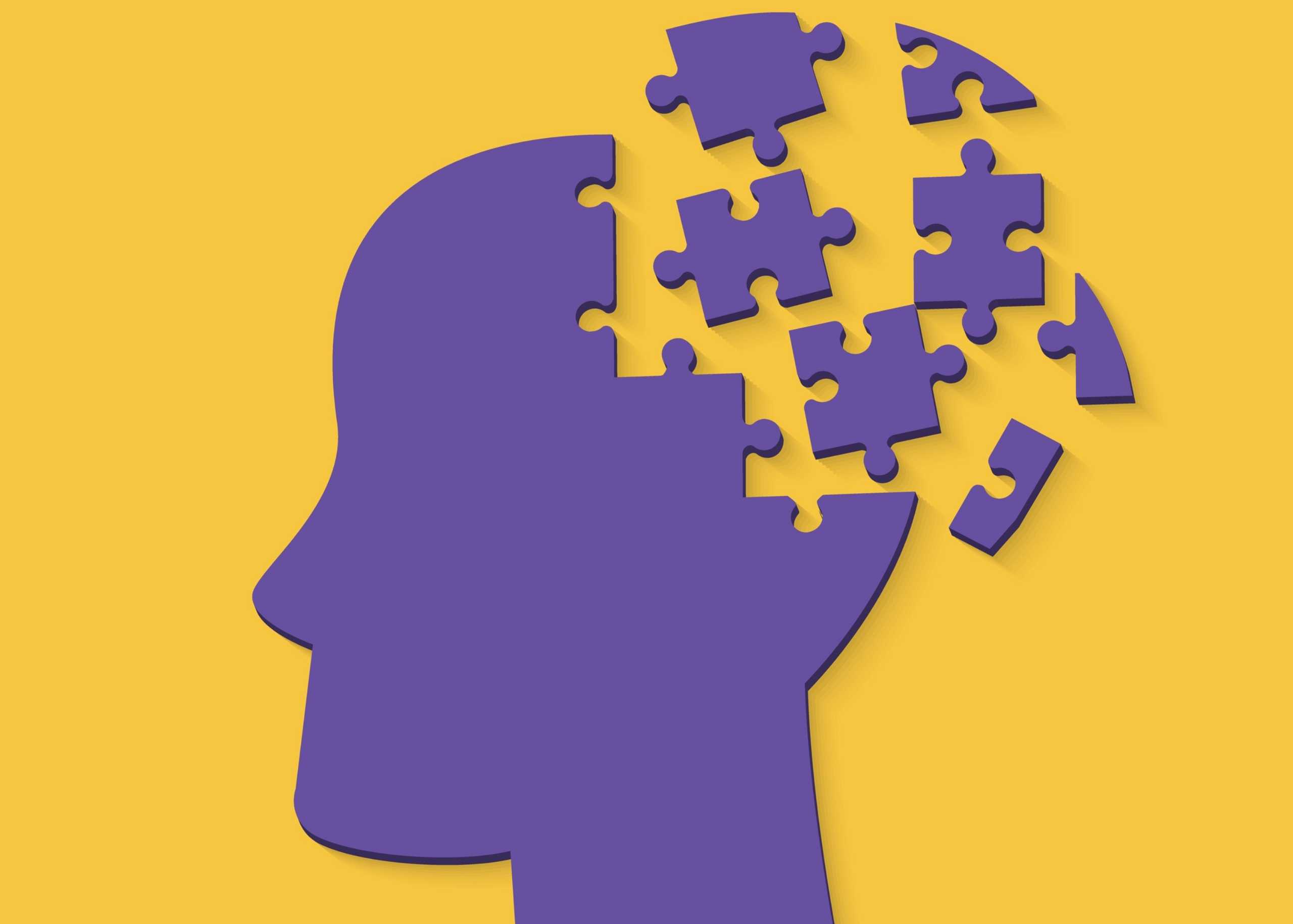
As the world's population ages, the prevalence of Alzheimer's disease is predicted to rise considerably, emphasizing the need for a better understanding of this devastating disorder. In this article, we will explore the key aspects of Alzheimer's disease, including its causes, symptoms, diagnosis, treatment, and prevention.
Causes and risk factors
Although the precise cause of Alzheimer's disease is unknown, it is thought to be a combination of hereditary, environmental, and lifestyle factors. The major risk factor for Alzheimer's disease is age, with the probability of getting the condition considerably rising beyond the age of 65. Family history and genetics also play a role, with people who have a family member who has Alzheimer's disease being at a higher risk. Certain genes, such as ApoE4, have been identified as being associated with a greater likelihood of developing the condition.
Symptoms
Alzheimer's disease is distinguished by increasing memory loss, which is not limited to forgetting names or recent events. Other typical symptoms include trouble solving problems, uncertainty about time and location, difficulties performing routine activities, language issues, and even personality changes. People can experience problems recognizing loved ones, agitation, and withdrawal from social activities as the condition advances.
Stages of Alzheimer's disease
Alzheimer's disease usually develops in three stages:
- Early stage: This stage is characterized by mild cognitive impairment, with patients reporting irregular memory lapses and difficulties finding words.
- Middle stage: Memory loss and cognitive decline become more noticeable, causing problems with everyday chores and an increased need for support.
- Late stage: Individuals require round-the-clock care at this stage because they lose their capacity to communicate, become bedridden, and are at risk of infections.
Diagnosis
Alzheimer's disease can be difficult to diagnose since its early symptoms may be confused with normal aging changes. For an accurate diagnosis, a neurologist can recommend an in-depth examination that includes a medical history, cognitive testing, brain imaging, and blood tests is required. Early diagnosis is critical since it allows for better symptom treatment and future planning.
Treatment and management
Alzheimer's disease currently has no cure. However, numerous treatment options and management techniques may help people with Alzheimer's disease enhance their quality of life and slow the advancement of the condition. Medications such as cholinesterase inhibitors and memantine are used to treat cognitive disorders and enhance memory and reasoning. Non-pharmacological therapies, such as cognitive stimulation therapy and physical activity, can also help delay the development of the disease.
Support for caregivers
Alzheimer's disease impacts not just those who are affected but also their caregivers. Caring for someone with Alzheimer's may be both emotionally and physically draining. There are services available, including support groups, respite care, and counseling services, to help caregivers manage their difficulties and offer their loved ones the best care possible.
Preventive measures
While there is no specific strategy to avoid Alzheimer's disease, living a healthy lifestyle helps lower the likelihood of developing the disease in the future. Regular physical activity, a healthy diet high in fruits, vegetables, and omega-3 fatty acids, maintaining social contact, and stimulating the brain with intellectually difficult tasks have been linked to a decreased risk of cognitive decline.
The bottom line
Alzheimer's disease is a difficult and debilitating disease that affects millions of people worldwide. Early diagnosis and improved treatment techniques are providing hope to affected people and their families as we continue to increase our understanding of the disease. While a solution remains unclear, increasing awareness about Alzheimer's disease and supporting current research efforts are critical to improving the lives of individuals affected by the disease.
