
7 Cases in Which Tooth Extraction Is RequiredDental ClinicsUpdated on Jun 16, 2025 View more like this | Visit NEW YORK, NY | Contact Amelia Grant |
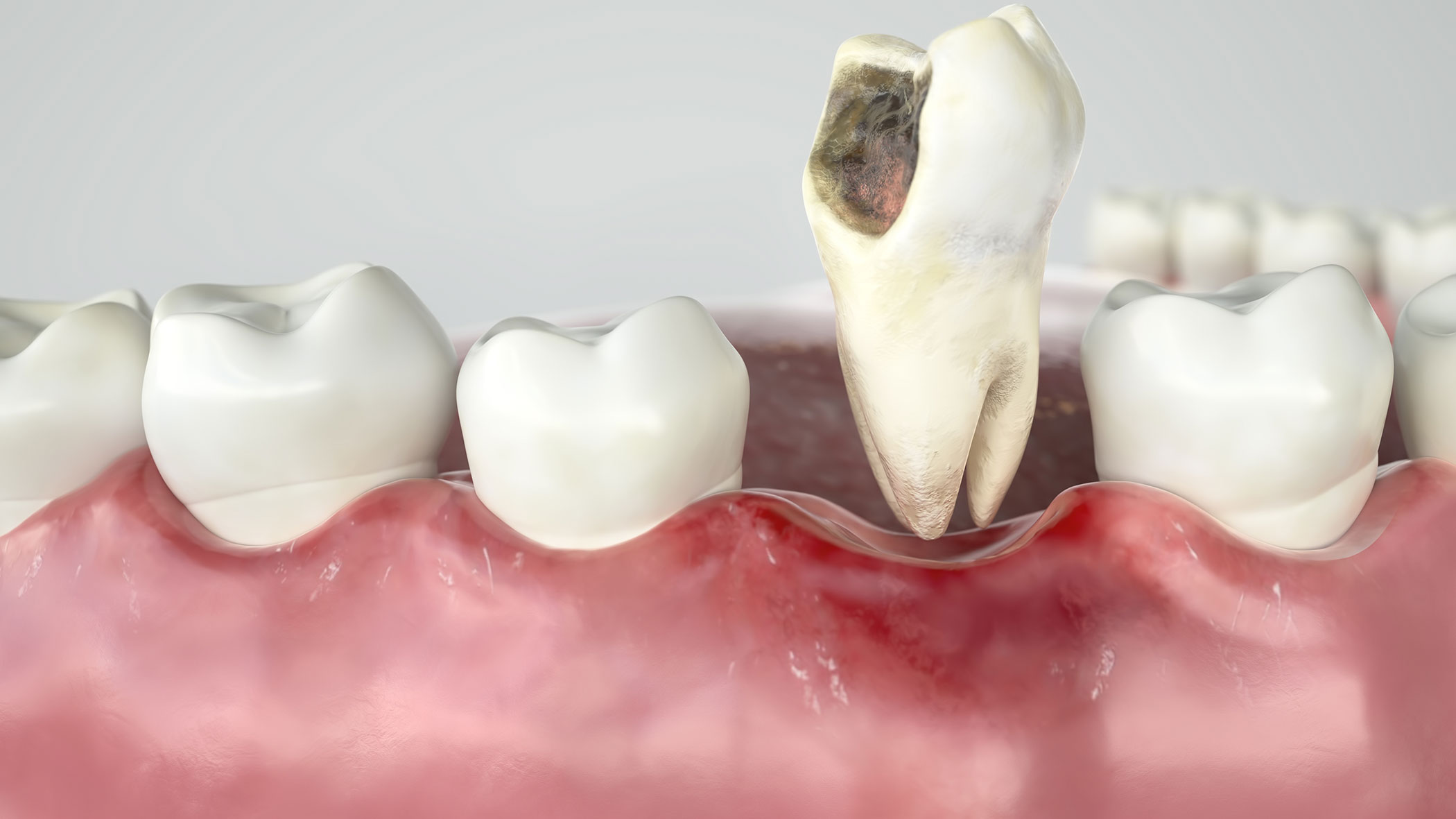
1. Deep destruction of the tooth
If a tooth is so badly damaged by caries that it can no longer be restored with a filling, inlay, or crown, the doctor may extract the tooth. Sometimes the infection affects not only the hard tissues of the tooth but also the root and surrounding tissues. In this case, the treatment is ineffective, and the tooth must be extracted to prevent further spread of the infection.
2. Purulent inflammations and abscesses
When an infection penetrates the root of the tooth and causes inflammation, a collection of pus can form. If treatment is not started in time, the pus can spread to nearby teeth and the jawbone and even cause a general infection in the body. Sometimes, root canal treatment is unsuccessful or impossible due to the anatomical features of the roots. In such situations, your doctor may recommend tooth extraction to prevent complications.
3. Wisdom teeth
Wisdom teeth often cause problems. They may not erupt completely, grow at an angle, press on nearby teeth, or cause gum inflammation (pericoronitis). For some people, the jaw is not large enough for all their teeth, and the opening for the wisdom teeth simply doesn’t fit. This can damage the cheek or gum mucosa and cause chronic pain or bite displacement. In such cases, the only sensible solution is to remove the wisdom teeth.
4. Tooth mobility due to periodontitis
Periodontitis is a chronic gum disease that leads to the destruction of the periodontal ligament. In the later stages, the teeth begin to loosen, the gums bleed, and bad breath develops. If a tooth becomes very mobile, it can no longer fulfill its function and also becomes a source of constant inflammation. Removing such a tooth prevents further destruction of the bone tissue and preserves the remaining teeth.
5. Tooth root fractures
In case of severe injuries, for example, after a blow or an accident, a tooth root fracture may occur. Such injuries are often accompanied by pain and inflammation. If the fracture extends over the entire root, the tooth can’t be restored and must be removed. Leaving a damaged tooth intact can lead to the formation of a cyst, purulent processes, and other complications.
6. Orthodontic indications
In some cases, orthodontists may recommend removing one or more teeth to straighten the bite or create space for the remaining teeth to fit properly. This is especially relevant when the teeth are closely spaced, and the lack of space prevents high-quality orthodontic treatment.
7. Cysts and neoplasms
Sometimes, a cyst formed on the root of the tooth cannot be treated. It can grow in size, destroy the jawbone, and put pressure on the surrounding tissues. In some cases, the cyst is accompanied by chronic inflammation, so the tooth near where it is located must be removed. There are also situations when the neoplasm requires radical surgical intervention, including the removal of one or more teeth.
The bottom line
Sometimes, tooth extraction is the only way to relieve pain, stop inflammation, and maintain the health of the entire oral cavity. If you experience discomfort or pain or notice loose teeth or other alarming symptoms, don’t hesitate to contact your dentist. Only a doctor can objectively assess the condition of a tooth and make the right decision whether to treat it or extract it. Healthy teeth are not only a beautiful smile, but also a guarantee of your overall well-being.
