
6 Unexpected Things That Are Making Your Knee Osteoarthritis WorseMedical ClinicUpdated on Apr 10, 2026 View more like this | Visit NEW YORK, NY | Contact Amelia Grant |
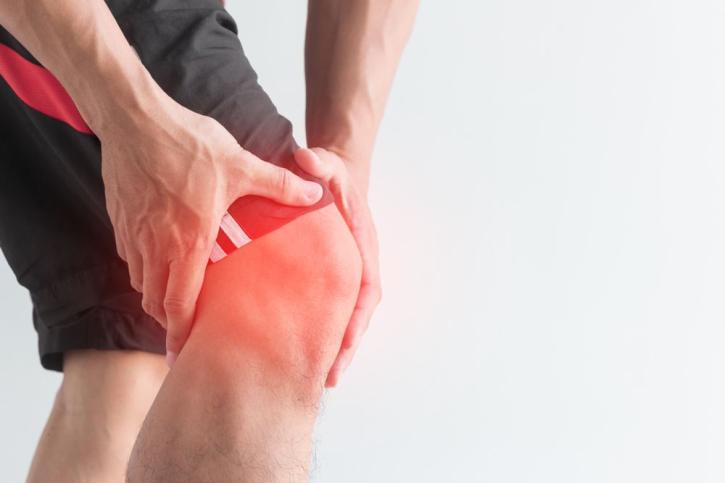
Some of the things that can exacerbate knee osteoarthritis pain are unsurprising. For example, if you've worked for a long time in a job that requires you to stand for long periods of time, bend frequently, or move heavy objects, your cartilage, or tissue in the joints that connect your bones may be harmed. Swelling, discomfort, and difficulty moving the knee joint occur as cartilage goes away. Athletes who have had injuries in the past, even if they were minor, are at risk for cartilage breakdown and osteoarthritis.
The knee and other bones may break down as osteoarthritis progresses, resulting in spurs. These are growths along the borders of the bone. According to the Arthritis Foundation, little bits of bone or cartilage can break off and float around in the knee joint. The cartilage between the knee bones wears away completely in the later stages of osteoarthritis, causing bone to scrape against bone, causing even more discomfort and joint damage.
An essential part of managing osteoarthritis knee pain is working with your healthcare provider. Talk to a specialist about your symptoms and when you experience knee pain most often. You should also pay special attention to your condition if your pain is worsening. Though there are options like medications and surgery for osteoarthritis, the best way to treat it is to be different than that of someone else with the condition.
So, here are 6 unexpected things that could be worsening your arthritis knee pain:
1. Having extra weight
According to the American Academy of Orthopaedic Surgeons, the more weight you have, the more stress you put on your knee joint, which can cause pain (AAOS). Furthermore, a study published in the journal Radiology in August 2017 indicated that when overweight and obese adults dropped weight over a two-year period, their rate of knee cartilage deterioration had dramatically decreased.
2. Having an unhealthy diet
According to the findings of a survey of 197 adults published in September 2015 in the journal Pain Research & Management, people who consume more fruit, as well as those who are active and in generally excellent health, have lower levels of osteoarthritis pain. Furthermore, eating better and staying active will help you lose weight, which helps relieve stress on your knee joint. If you want to lose weight, eat more fresh fruits and vegetables, lean meats, and avoid processed foods.
3. Having untreated vitamin D deficiency
Vitamin D is important for bone health and for regulating the immune system, both of which are important for arthritis patients. Other than taking supplements, other ways to receive vitamin D include eating foods fortified with vitamin D, such as certain cereals, soy products, milk, and cheese; eating fish; and even receiving some sunshine, which helps your body absorb vitamin D. Your doctor can check your vitamin D levels and give a recommendation based on the results.
4. Ignoring depression
Depression,insomnia, and osteoarthritis pain all appear to be connected. Anxiety, stress, and worry that can accompany depression may limit a person's capacity to cope with osteoarthritis. If you believe you might be depressed, get help right away.
5. Not exercising
Although it may seem paradoxical to exercise when suffering from joint discomfort, the Arthritis Foundation advises patients to do so. Bicycling, swimming and elliptical trainers are all good options, as are strengthening activities that build the muscles that support the knee joint.
6. Overdoing the wrong exercises
Although everyone with osteoarthritis is different, deep squats, lunges, and any action that pounds on the joint tends to aggravate knee osteoarthritis. Furthermore, some osteoarthritis patients are simply too active.
Runners, for example, may need to reduce their running time, but people who engage in other energetic pursuits such as gardening should spread out their activities rather than trying to complete everything in one day. Consult your doctor to determine which types of exercise are appropriate for you, based on the severity of your osteoarthritis and the level of pain you are experiencing.
