
6 Surprising Things You Didn't Know About Baby TeethDental ClinicsUpdated on May 8, 2025 View more like this | Visit NEW YORK, NY | Contact Amelia Grant |
1. Children develop 20 baby teeth
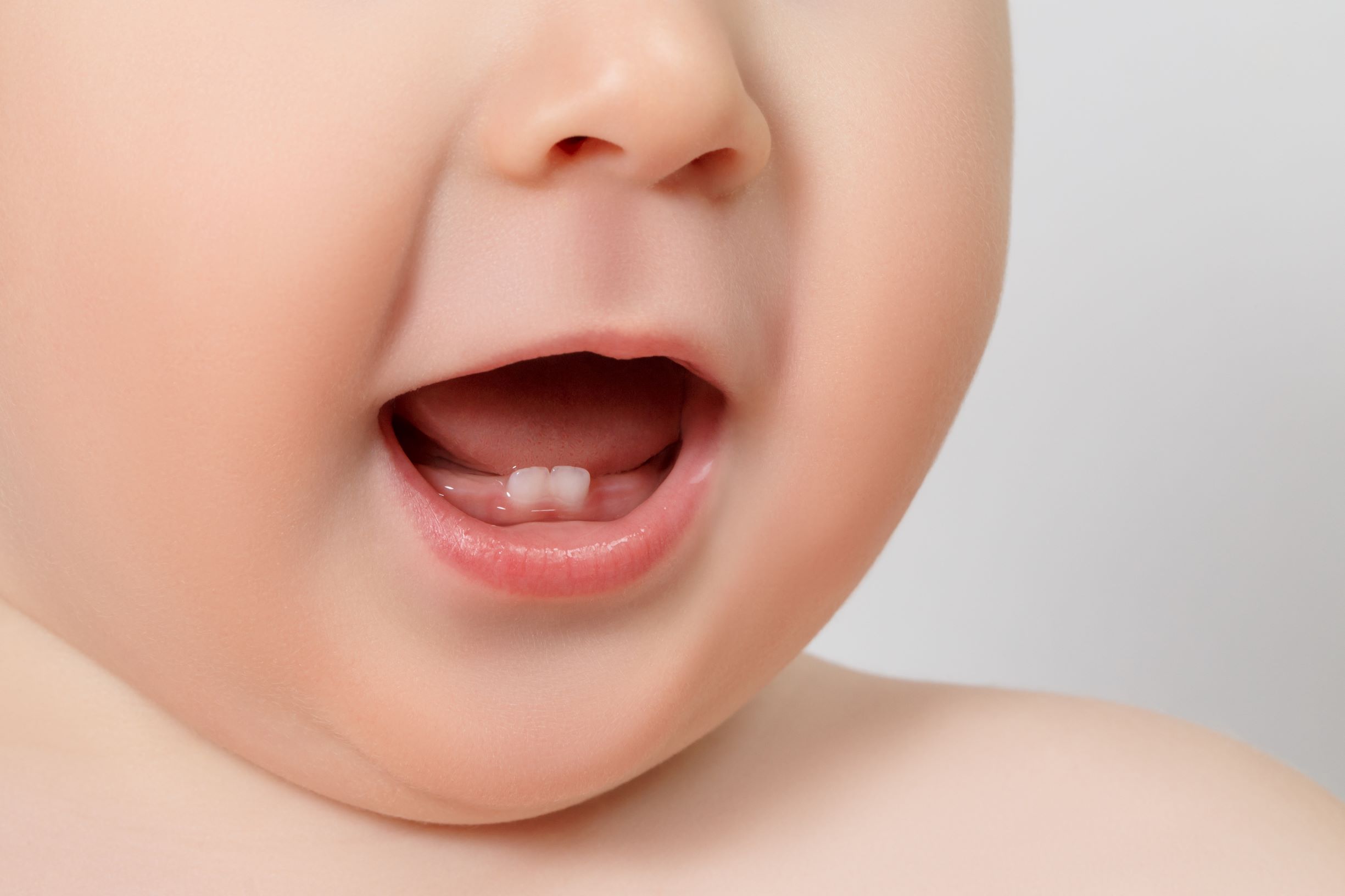
It often comes as a surprise that the number of baby teeth children have is not the same as the number of permanent teeth they will have as adults. Most children develop 20 baby teeth, which eventually fall out to make way for their permanent set. A child’s first tooth typically appears around six months of age, although for some children, it’s not unusual for the first tooth to come in closer to their first birthday. Baby teeth usually begin to fall out around age five, with the process continuing until about age twelve, when all of the permanent teeth are generally in place.
2. Baby teeth require care
Because primary teeth are temporary, some people assume they don’t require much care. However, this is far from the truth. Baby teeth are just as vulnerable to decay and cavities as permanent teeth. Establishing a consistent dental care routine, such as regular brushing and twice-yearly dental checkups, is essential for maintaining your child’s oral health. It may also be helpful to consult a professional pediatric dentist for a full examination and personalized care recommendations.
3. Bottles and thumb-sucking can damage teeth
The primary issue is not the bottle itself but what is inside it. Just like adult teeth, sugary beverages can cause baby teeth to decay. If your baby's bottle contains higher amounts of sugar, as certain formulas do, it is recommended that you gently swab its mouth with sterile gauze after each feeding. This simple step can help reduce plaque formation and support healthier oral hygiene.
Thumb-sucking generally doesn’t pose a problem during the early stages of development and often provides comfort and relief for babies. However, once a child has developed most of their baby teeth, it is advisable to begin discouraging thumb-sucking, as continuing the habit beyond this point may lead to alignment problems or bite issues in the future.
4. Baby teeth can be donated
As loose baby teeth are eventually lost, they don’t necessarily need to be discarded. While some families prefer to keep them as sentimental keepsakes, others may not realize that these teeth can serve an additional purpose. Several organizations accept baby teeth donations for scientific research, particularly in the area of stem cell studies. These teeth contain a rich source of stem cells, which may have valuable applications in regenerative medicine, including tissue reconstruction, and could potentially play a role in treating certain diseases in the future. Donating baby teeth can be a meaningful way to contribute to medical advancement.
5. Baby teeth are more prone to decay
Although they may seem small and temporary, primary teeth are surprisingly vulnerable to cavities. Their enamel is thinner than permanent teeth, making them more susceptible to decay. Early tooth decay, often referred to as baby bottle tooth decay, can develop when sweet liquids like juice or milk are left on a child’s teeth for extended periods. Establishing a consistent oral hygiene routine is essential, even for these early teeth.
6. Baby teeth can interfere with adult teeth
Premature or delayed loss of primary teeth can interfere with the normal development of permanent teeth. This condition, often referred to as over-retained baby teeth, may lead to crowding or misalignment as the adult teeth attempt to erupt. In some cases, a permanent tooth may become impactedtrapped beneath the gumsand require treatment. Regular checkups with your child’s pediatric dentist are essential to identify and address any alignment concerns before they progress.
