
4 Debunked Myths About Panic AttacksPsychiatry - GeneralUpdated on Jun 11, 2024 View more like this | Visit NEW YORK, NY | Contact Amelia Grant |
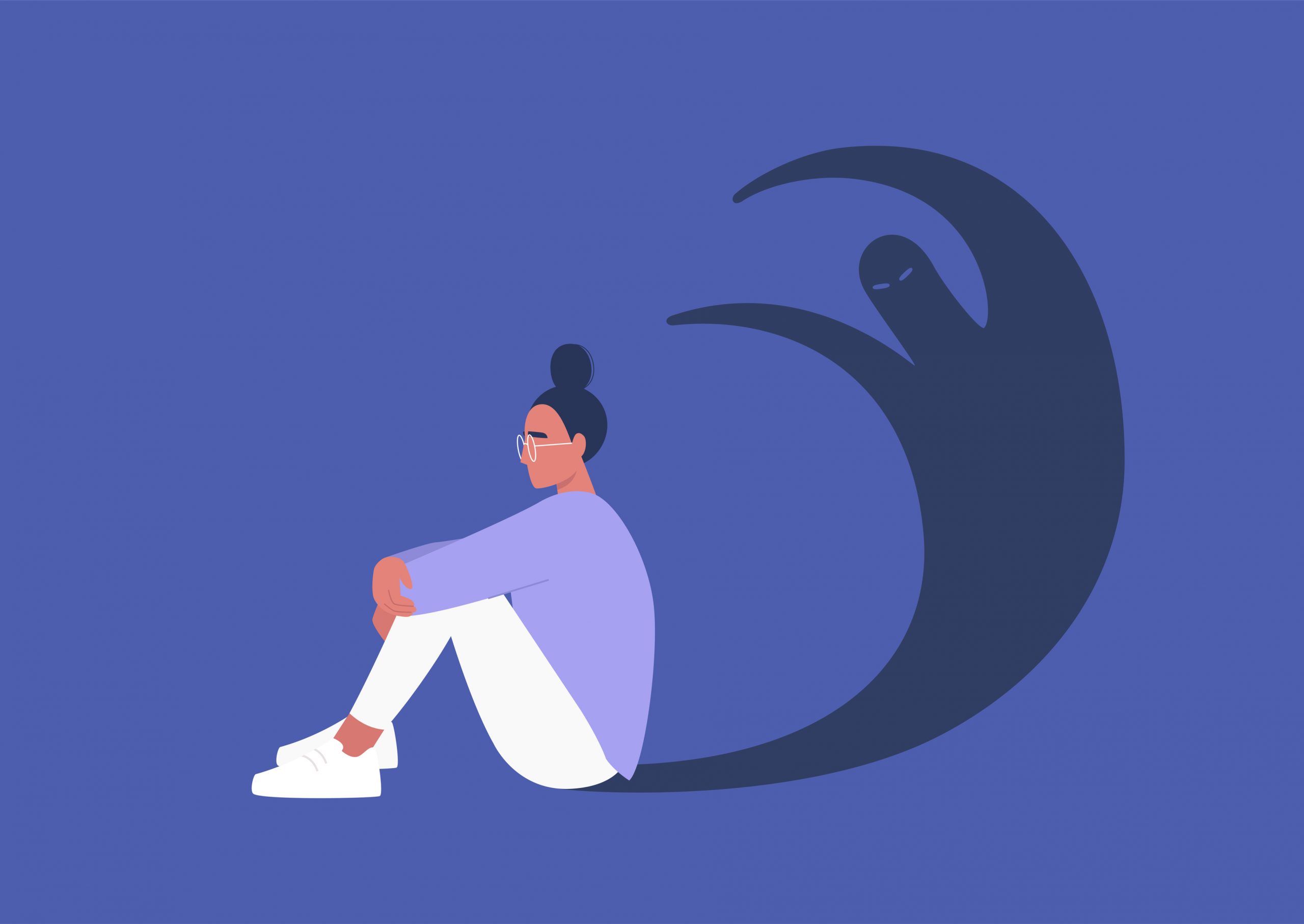
Myth 1: Panic attacks only affect mentally weak people
One of the most common myths about panic attacks is that they only affect people with poor mental health. This is far from the truth. Panic attacks can affect anyone, regardless of mental stability, age, gender, or social status.
Panic attacks occur as a result of a complex interplay of biological, psychological, and social factors. Genetic predisposition, stressful events, chronic illnesses, and even chemical changes in the brain can be triggers for panic attacks. For example, studies show that people with a family history of anxiety disorders are more likely to suffer from panic attacks.
Myth 2: Panic attacks can lead to madness
It is a misconception that panic attacks can lead to insanity or loss of mental health. This is a myth that creates unnecessary fear and anxiety in people suffering from panic disorder.
During a panic attack, a person may experience a feeling of unreality or fear of losing control, which may seem close to insanity. However, these feelings are temporary and don’t lead to mental illness. Panic attacks are not associated with psychosis or other serious mental disorders. They are episodes of acute fear that subside and leave no lasting effects on mental health.
It's important to understand that the feeling of losing control during a panic attack is part of the body's physiological response to stress and not a sign that you are developing a mental illness. People who suffer from panic attacks should remember that they are not going crazy and that panic attack treatment can significantly improve their condition.
Myth 3: Panic attacks are harmless and don't require treatment
Some people believe that panic attacks are harmless and don't require special treatment. Although panic attacks themselves are not fatal, they can significantly impair quality of life and lead to serious consequences if left untreated.
Panic attacks can become chronic and lead to the development of panic disorder, which is characterized by repeated panic attacks and constant fear of having them. This can lead to avoidance of different situations and places, which in turn can develop into agoraphobia - a fear of open spaces and public places.
In addition, people who suffer from panic attacks often experience depression and other anxiety disorders. Chronic stress and fear can lead to health problems such as high blood pressure, cardiovascular disease, and chronic pain. That's why it's important to seek professional help and treatment at the first sign of a panic attack. If you search "psychiatrists near me," be sure that you choose an experienced and qualified specialist.
Myth 4: Panic attacks are just excessive, anxious thoughts
Many people believe that panic attacks are just excessive anxious thoughts and that they can be easily controlled by simply calming down or stopping worrying. This is a dangerous misconception that can prevent people from getting the help and support they need.
A panic attack isn't just anxious thoughts, it's a complex physiological and emotional response from the body. The symptoms of a panic attack can include rapid heartbeat, sweating, shaking, shortness of breath, chest pain, dizziness, and even a feeling of suffocation. These physical symptoms can be so intense that people often think they are having a heart attack or other serious medical problem.
Cognitive symptoms of a panic attack include fear of losing control, fear of dying, or fear of going insane. These thoughts can exacerbate the physical symptoms and create a cycle of fear and panic. People suffering from panic attacks often need therapy and possibly medication to manage their condition.
