
13 Things That Can Cause Chronic ConstipationGastroenterology Physicians & SurgeonsUpdated on Mar 29, 2021 View more like this | Visit NEW YORK, NY | Contact Amelia Grant |
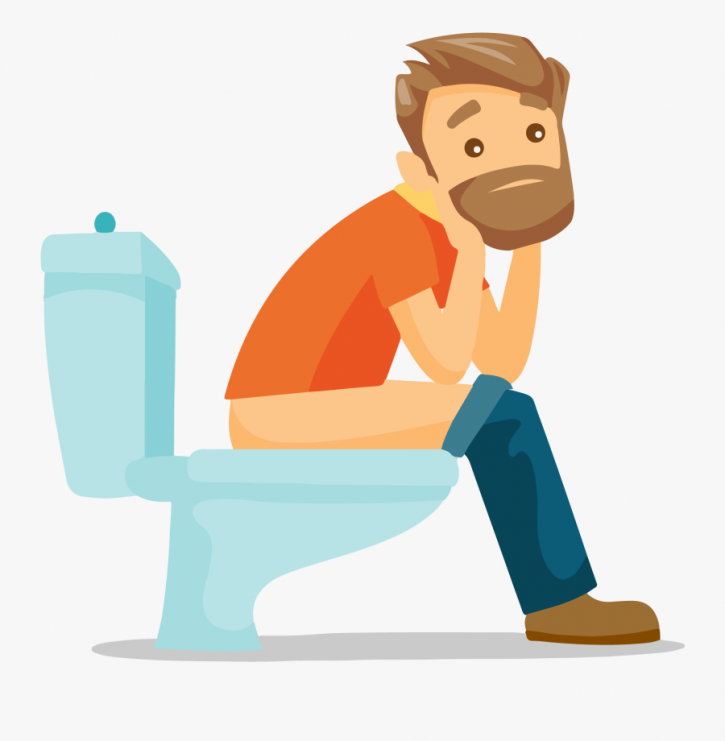
Every year nearly 2.5 million people in the US visit their healthcare provider for this concern, so you’re not alone. This common issue can be provoked by multiple things like depression, low-carb diets, or even fiber supplements. Let’s look at some of the many factors that might be causing your constipation:
1. Depression
Many people with depression end up with weight gain and constipation. Depression can slow down your metabolism. What’s more, medications used to treat depression can provoke constipation as well.
Fortunately, there are lots of non-pharmaceutical treatment options for depression that don’t cause constipation, some of which are as effective as meds. These include cognitive-behavioral therapy, regular exercise, breathing techniques, and meditation.
2. Chocolate
If you have a sweet tooth, you should know that chocolate can make you constipated, though this side effect does not affect everyone.
Researchers still don’t know the exact cause for this, but many people who eat chocolate regularly report they have constipation due to the consumption of this product. There is no way to tell for sure if chocolate is leading to your constipation unless you try to completely eliminate it from your diet for a period of time. Try not to eat it for two weeks and if your constipation improves, then try avoiding this food.
3. Certain multivitamin supplements
Vitamin supplements that contain high amounts of calcium and iron can cause extreme constipation.
Some minerals, especially in amounts over the recommended daily dosing, can slow down your digestion in the large bowel. Only people known to have a medical problem that requires supplemental iron, such as iron-deficient anemia, should use supplements containing iron, and only if recommended to do so by their healthcare provider.
4. Underlying conditions
There are lots of underlying conditions that can contribute to chronic constipation, and the most common one is hypothyroidism. Your thyroid regulates your metabolism, therefore when it’s not working well, every system in your body slows down, including your digestive system.
Other health issues that provoke constipation include type 2 diabetes, multiple sclerosis, Celiac disease, autoimmune diseases, and some types of cancers.
The most important thing is to find out the root cause and treat it in time. Since constipation is extremely common, many people just ignore the problem.
In most cases, it’s not a big deal, but sometimes it’s an indication of a more serious problem. If your constipation is accompanied by other symptoms or it lasts longer than three months, ask your healthcare provider for a full medical work-up to look for illnesses.
5. Painkillers
Anyone who’s had surgery probably knows that painkillers can lead to constipation, and in some cases, extreme constipation. However, this can also apply to prescription opiates such as hydrocodone and oxycontin. It is also common for over-the-counter meds like acetaminophen and ibuprofen to cause constipation.
6. Certain medications
It’s no secret that all medications have side effects and many of them can be the reason for constipation. These include antidepressants (Prozac), anti-anxiety drugs, heartburn pills, and blood pressure medications. If you suspect your constipation occurred due to a medication you’re taking, talk to your doctor about other options.
7. Sedentary lifestyle
A modern sedentary lifestyle is bad not only for your waistline but also for your digestive system. Being in a sitting position for long periods of time slows down the work of your colon, discourages stool from passing through, and provokes constipation. To fight this side effect, try taking regular breaks to stand up and move around. Walking and deep squats are two movements that are especially effective for encouraging a bowel movement.
8. Fiber supplements
It may sound surprising, but too much fiber can lead to constipation. Overdosing on fiber can desensitize your stomach lining, which makes it less responsive to signals to evacuate. This is especially true for those who are getting large doses of fiber from supplements like pills or powders rather than from whole food sources.
If you’re one of those, try skipping the fiber pills and see how your digestive system will react to this. Though fiber supplements are considered to be a healthy option and a simple way to increase fiber consumption, most don’t provide health benefits connected with a high‐fiber diet.
9. Hormone imbalances
Many women who had a pregnancy know that hormones can do a number on the digestive system. High levels of estrogen and progesterone or low levels of testosterone are the main culprits of constipation.
In the case of pregnancy, the “cure” will come in nine months, but for other hormonal imbalances, it’s best to cure the underlying condition first.
10. Eating too much dairy
Consuming a lot of dairy foods, especially high-fat dairy, can be one of the main explanations for constipation. Cheese is the biggest digestive troublemaker. If you’re eating pizza, for example, you probably do not want to eat a salad. Make sure that you save room in your stomach for fiber-filled foods. Don’t forget to get more fiber from foods, and not only from supplements.
Following a high-fiber diet can lower your risk for cardiovascular disease, stroke, type 2 diabetes, and certain types of cancer like pancreatic, gastric, colon, and breast cancer.
11. Low-carb diet
One of the most common issues people experience after starting a low-carb/high-protein diet. Following a diet that’s rich in meat, eggs, and fat leaves little room for plant fiber.
Moreover, many people consciously avoid high-fiber foods such as whole grains, fruits, and vegetables, since these are rich in carbohydrates. Keep in mind that all carbohydrates are not equal. Focus on just eliminating fast and processed carbs or foods with a high glycemic index, such as sugary treats and white bread.
12. Dehydration
Not keeping your body well-hydrated can be the reason why you have constipation. Make sure you drink plenty of fluids to keep things regular. Aim for eight full glasses of water a day to get rid of constipation. But don’t overdo it.
13. Laxatives
If you’re extremely constipated, taking a laxative might seem like the best option. Unfortunately, this can exacerbate your problem. Laxatives should be used only on a short-term basis, for a week at most.
Taking laxatives longer than a week can put you at risk of bowel problems leading to severe constipation or diarrhea. Before you start taking medication for constipation, it’s always best to identify what provokes constipation for you and treat that first.
