
Cleaning a Smelly Washing MachineHouse CleaningUpdated on Oct 11, 2023 View more like this | Visit MUKILTEO, WA | Contact Mrs. Clean House Cleaning |
How to Clean and Deodorize a Smelly Washing Machine
Some things just don't always make sense, like why when we wash laundry, can a washing machine smell?
What Causes the Washing Machine to Smell Bad?
Well, if you considering all that goes into the washing machine, its no wonder they can tend to smell bad. Mold, mildew and bacteria grow in washing machines in the same way they grow in any dark, damp area where there’s moisture and heat for growth. What food are they munching on in your supposedly clean washing machine? Soap scum.
What Is Soap Scum?
We often think of soap scum as being a problem in bathrooms and kitchens but it can also be a problem in the washing machine.
Soap scum is a soap residue (which at some point, we all probably use more laundry detergent and fabric softener) combined with the skin cells and body oils that are left behind on your clothing.
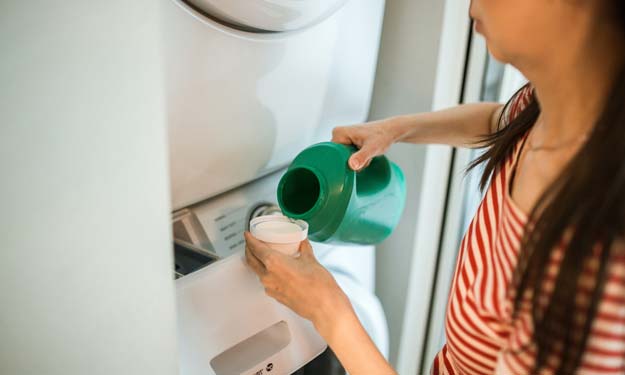
When we use too much laundry soap or fabric softeners, it’s harder for the washing machine to completely rinse and remove all of the residue. Some of this residue remains along the tub walls, on the agitator and in the gaskets and seals.
Eventually residue builds up, and the bacterial and fungal count increases so an unpleasant odor is produced. You now have a stinky washing machine.
Cleaning the Outside of the Washing Machine
We are mainly focused on the inside of the washing machine, but if you are cleaning the inside you may as well clean the outside as well. Just wipe down the front and sides with a damp rag and some cleaner then wipe dry to avoid streaks.
Cleaning the Washing Machine Seals, Gaskets, Dispensers
The seals and gaskets are often the major source of odor causing bacteria. I was amazingly disgusted when I went to clean the rubber seal around the door. Awful gray clumps of hair, grease and who knows what else was caked and embedded in the gasket.
If you have a front loader, there’s a lot of build up right in the cracks and crevasses, under the dispensers- even if your washing machine doesn’t stink. You can clean these tight spaces using a Q-tip or old tooth brush.
To view the full article, click the link below.
