
Migraine headache symptoms – how classic and common migraine headaches differ?Health Care NetworksUpdated on Jun 29, 2016 View more like this | Visit MONTCLAIR, NJ | Contact Swapnil Jukunte |
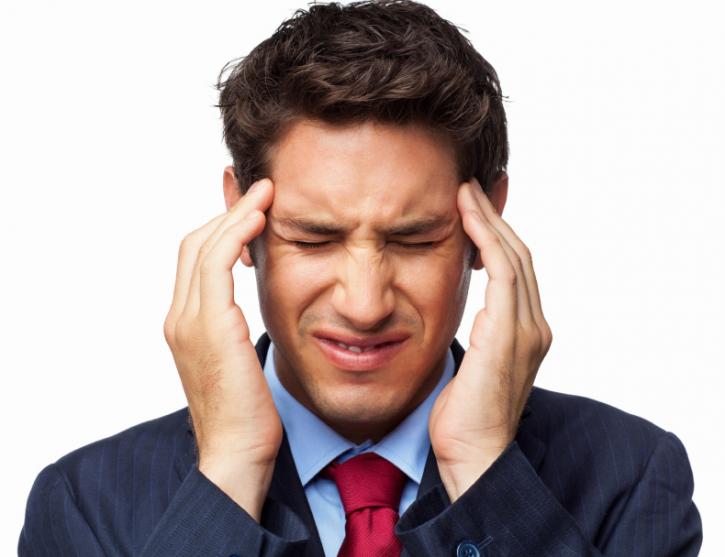
Migraine headache symptoms are basically debilitating, and the headache starts from one side and spreads to both. At the very beginning, the headache starts as a dull ache and then develops into a throbbing and constant pain that ultimately leads to severe or intense headache. People who suffer from migraine headache prefer to take rest in a dark, quiet room since sound and light trigger their pain, and they feel high sensitivity to it.
Migraine pain not only causes severe pain in the head but also it is accompanied by other symptoms such as sweating, dizziness, nausea, vomiting, diarrhea, etc.
What are the two basic forms of migraine?
Migraine attack has been classified into two types based on symptoms. These two most common types are –
- Classic migraine (migraine with an aura)
- Common migraine (migraine without an aura)
What are the migraine headache symptoms of classic and common migraine?
Classic and common migraine headaches share some common symptoms. Let’s have a look at them-
- An intense headache felt on one side or both sides of the head
- Weakness
- Nausea
- Vomiting
- Frequent urination
- Dizziness
- High sensitivity to light
- Diarrhoea
- Temporary visual impairment
- Sweating
In respect to classic migraine attack, an aura is experienced which is the warning signal of this attack. An aura is associated with various features that include –
- High sensitivity to flashlights
- Seeing black spots or zigzag lines
- Temporary vision impairment
- Speech problem
- Stinging in the face, arms, hands and legs
- Mental depression or confusion
On the other hand, patients suffering common migraine headache may not experience an aura, but he or she will get some early symptoms like
- Mood change
- Mental Fuzziness
- Fluid retention
- Fatigue
How long these migraine headache symptoms last?
Both these types of headaches last around 6 to 48 hours. The symptoms may linger even after migraine headache has disappeared. This stage is called migraine hangover, and it may make you feel tired and dull.
Migraine headache symptoms tend to appear between the ages of 10 to 45. They are mostly common in women. Moreover, having a family history of migraine also increases significant chances of the development of migraine headache.
Migraine headache is triggered by certain factors. However, these triggers differ from person to person. The common triggers include –
- Changes in hormonal level
- Stress – both physical or mental
- Rapid fluctuation in the level of blood sugar that may occur in a person due to oversleeping, fasting or skipping meals
- Certain types of perfumes or odors
- Over consumption of alcohol
- Certain types of food like bananas, chocolate, avocado, marinated food, dairy products, onion, nuts, processed foods, pickled foods,
- Certain types of food additives like monosodium glutamate (MSG) and tyramine which is mostly found in aged cheese, wine, chicken livers, smoked fish and beans
- Bright light or glaring sunlight
- Loud sound
- High exposure to dust and smoke
- Allergies
Migraine headache does not cause any serious health issue or brain tumor. However, treating this headache at its early stage is very important to reduce the frequency of the attack and live a normal life. A consultation with migraine specialist is recommended to treat serious medical conditions.
