
What Is Epoxy Pipe Lining?Plumbing & Heating Supplies Wholesale & ManufacturersUpdated on Oct 28, 2020 View more like this | Visit MARTINSVILLE, VA | Contact Curated |
Epoxy pipe lining is a way of restoring old, tired, or damaged pipes. It’s also an affordable and alternative method of replacing the whole piping system. Also called the CIPP (cured in place pipe) lining, it’s effective for both domestic and commercial customers to ‘create’ a new problem-free piping system.
Usually, an epoxy resin coats the interior of the piping, relining, and closing up any holes on the corroded pipe. While curing, the best epoxy resins for pipes need to be compatible with the host vent to make sure they align as uniformly as possible. The final result is a smooth but hard and durable (up to 50 years) pipe within the old pipe.
What Is The Process of Installing Epoxy Pipe Lining
Before the introduction of the PVC (Polyvinyl Chloride) pipes in the US in 1952, most of the building construction works used cast iron and copper piping in drains. Over time, the copper pipes corrode, resulting in leakages and pinholes that demand costly maintenance and fixes.
While it’s typical for copper pipes to erode, it shouldn’t translate to destroying and replacing your overall plumbing, too. Instead, you can put an epoxy lining to prevent future damages.
But, what’s the process to successfully install an epoxy relining?
1. Evaluation
To discern the cause and extent of damage to the piping lines, you’ll need a professional to conduct a pipeline inspection. The evaluation requires either an inspection camera or an electron leak location equipment. Usually, the most probable causes include cracks/breaks, tree roots in main plumbing lines, and/or aging leaky pipes.
An epoxy relining company will then assess the footage, locate the damaged area, and establish a treatment plan.
2. Estimation and Preparation
Before the relining process begins, the entire plumbing system will need cleaning to remove any blockage. The pipeline will then undergo another check, and the footage should be reviewed to approximate the length of lining needed. The detailed estimate will also determine if the repair will be in sections or in its entirety.
3. Approval and Implementation
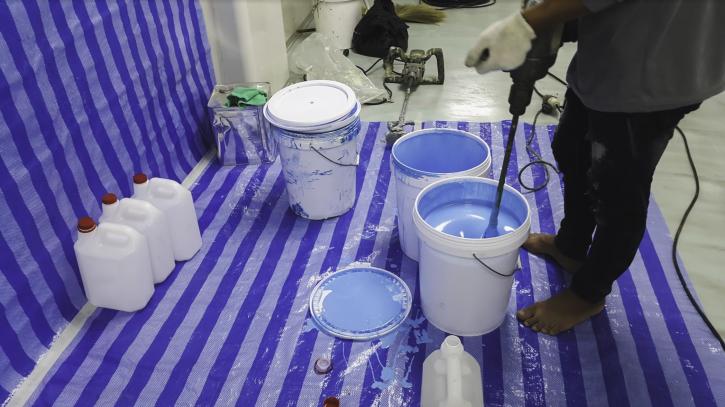
After walking business owners and homeowners through the estimate, the team will need consent to commence the work. After setting everything, the epoxy team will create a two-part solution of an epoxy resin and a catalyst to create a chemical reaction. The specialists then saturate a woven felt material to form a new pipe structure that’s placed into the damaged pipe to form lines.
Once the saturated material is in place, an inner bladder’s filled with air to attach the material to the host pipe. The curing process takes approximately 4 to 8 hours. After this, the team removes the bladder and conducts a final camera evaluation to inspect for success.
Advantages of Epoxy Pipe Lining
Apart from its obvious value of repairing old plumbing systems, there are various benefits of epoxy lining, such as the following:
1. Offers No Breakage or Digging Solutions
Epoxy relining allows for a trouble-free approach to the main pipeline, translating to minimal or no intrusion. Therefore, regardless of the estimations of cleanouts, they wouldn’t be as major as tearing down walls, floors, or digging the ground, saving property owners their hard-earned money.
2. Long-lasting Solution To Corroding Pipe
Usually, a credible epoxy lining job has a 15 years’ guarantee, with a lifespan of at least half a century. As such, relining offers an extra fifty years of life to your damaged or old copper pipes.
Simply, the epoxy pipe lining is a package of an affordable, long-lasting, and strong solution to your plumbing system.
3. Provides Spot Repairs
By using epoxy pipe lining, you have the option of fixing only the plumbing system’s damaged sections. For instance, if there’s 6-foot damage that’s a hundred feet into the plumbing line, it wouldn’t be logical and cost-effective to fix the whole pipe. Instead, you can repair the 6-foot section by using an epoxy lining.
4. Availability of Extensive Solutions
The process of epoxy pile lining is effective on Drain Waster Vent lines (DWV), cast iron, copper lining, and clay. Additionally, it’s able to line 5 feet up to 2,100 feet long.
Other notable benefits include:
• Less waste, therefore, eliminating soil contamination.
• Adheres to the US building codes and regulations.
• The process is quick and straightforward.
Is Epoxy Lining Safe?
Even if epoxy pipe lining has some perils, they’re not at all associated with human health because epoxy is safe for both bathing and drinking water. It’s comparable to food grades usable in the interior of cans.
Further, with the proper guidelines, the process can be a DIY, saving you a lot of money.
Bottom Line
Epoxy pipe lining is usable in various materials and is an effective solution that you should consider for your plumbing system repair needs. Therefore, if you notice a foul smell in your background or hear gurgling noises in your pipelines, it may be wise to protect the plumbing lines from impending damage by using an epoxy lining.
