
Why Regular Septic Pumping Is Essential For A Healthy SystemGeneral Contractor - CommercialUpdated on Nov 2, 2024 View more like this | Visit LEIPSIC, OH | Contact james kashung |
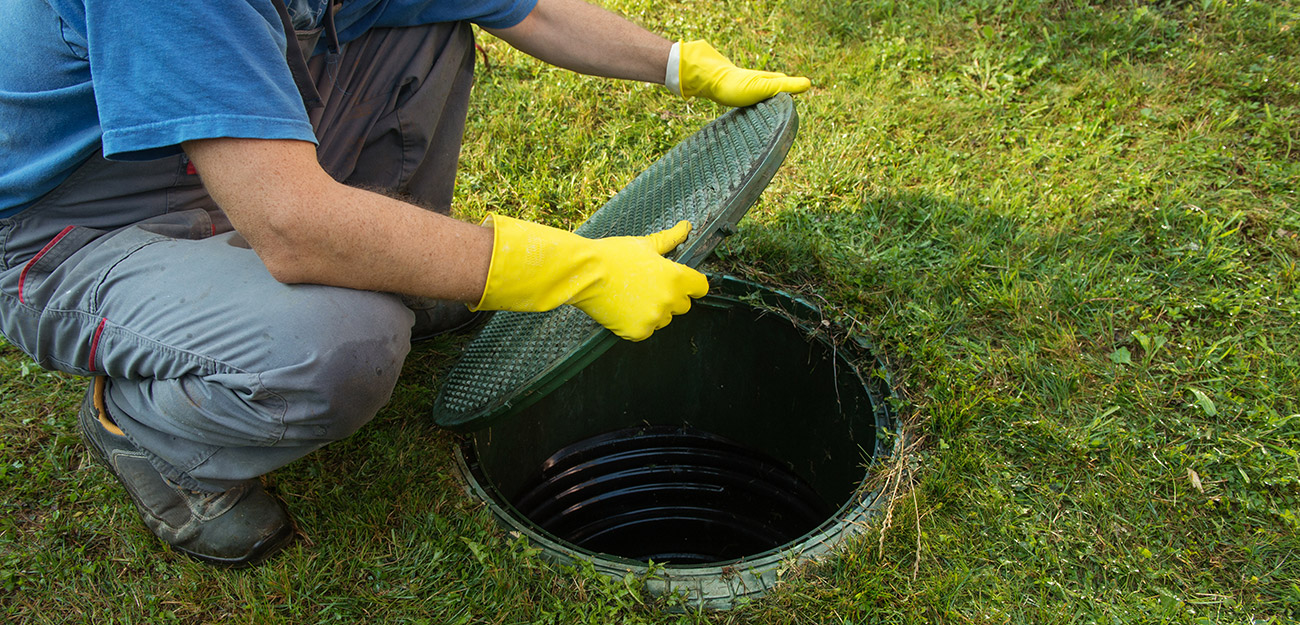
A well-maintained septic system is essential for homeowners relying on it to manage wastewater effectively. Routine septic pumping is not only a critical component of this maintenance but also a significant factor in preventing costly repairs and protecting the environment. In this article, we’ll explore why regular septic pumping is essential, how often it should be done, and the many benefits it provides to homeowners and communities.
The Role Of A Septic System
A septic system is an underground construction that treats wastewater. It is often used in rural areas or in homes that don't have access to centralized sewage systems. A septic tank and a drain area are usually what it is made of. Using the bathroom, washing dishes, and doing laundry all use water that goes into the septic tank. There, solid and liquid trash are separated. At the bottom are the solids, which are often called sludge. On top of them is the scum, which is made up of lighter wastes like oils. In this area is effluent, which is partly treated wastewater that flows into the drain field so that bacteria in the soil can clean it even more.
The sludge at the bottom builds up over time and needs to be taken out. The system could overflow if it isn't, which could cause backups, pollute nearby water sources, or even cause the system to fail completely. This is why regular septic pumping is so important: it keeps waste from building up, which makes the system work better and more effectively.
The Importance of Regular Septic Pumping
- Preventing System Failures and Backups
When sludge and scum levels in the septic tank become too high, they can cause blockages, forcing waste back into household plumbing or out into the drain field. This can create unsanitary conditions in the home and yard, posing a risk to family members and neighbors. The amounts of waste are kept in check by regular pumping, which also lowers the risk of clogs and backups that could require expensive repairs.
- Extending the Life of the Septic System
A properly maintained septic system can last 20 to 30 years or more. However, neglecting regular pumping and other maintenance tasks can reduce its lifespan significantly. When sludge accumulates without being pumped out, it can force solids into the drain field, clogging it and causing the system to fail. A failed drain field is challenging and expensive to replace, but routine pumping helps maintain the balance of waste in the tank, allowing the system to function properly for years.
- Protecting the Environment
One of the primary functions of a septic system is to prevent untreated wastewater from contaminating the environment. When a system is overloaded or fails, untreated waste can seep into groundwater, streams, and other nearby water sources. This could damage the environment and put people and animals at risk of getting sick. Regular pumping minimizes the risk of contamination by keeping the system functioning effectively and protecting local ecosystems and water quality.
- Maintaining Household Safety and Sanitation
An overflowing or blocked septic tank can result in unsanitary conditions within the home and yard, exposing residents to harmful bacteria and pathogens. Even though the smell of raw sewage can be unpleasant, the health risks are even worse. Being close to it can cause major health problems. Routine septic pumping removes excess waste from the system, helping maintain a safe and hygienic environment in and around your home.
Signs Your Septic Tank Needs Pumping
While sticking to a schedule is ideal, there are signs that can indicate when your septic tank may need pumping sooner than expected:
- Slow Drains and Plumbing Issues: It could mean that the septic tank is almost full if your sinks, showers, and toilets drain more slowly than normal.
- Unpleasant Odors: Foul smells emanating from drains or the area around the septic tank often indicate waste buildup that needs attention.
- Pooling Water or Greener Grass: If you notice water pooling in the yard near the drain field or lush, green patches of grass, this could be a sign that the septic system is leaking or overloaded.
The Financial Benefits of Regular Septic Pumping
Many homeowners avoid regular septic pumping due to the cost, thinking they’ll save money by waiting until there’s a problem. However, the expense of routine maintenance is far lower than the cost of repairing or replacing a failed system. Regular pumping and inspections can identify small issues before they turn into major, costly repairs. Also, septic systems that are well taken care of tend to use less energy, which means they cost less to run over time.
Choosing the Right Septic Service Provider
To ensure that your septic system is properly cared for, it’s essential to work with a reputable septic service and repair provider. Professionals with a lot of experience can do regular pump-outs, check your system for problems, and give you advice on the best ways to maintain it for your needs. Look for licensed and certified technicians with positive reviews, as they’ll have the skills and knowledge needed to handle your system effectively.
Final Thoughts
Regular septic pumping is an important part of being a responsible homeowner for people with septic systems. By sticking to a pumping plan, you protect the environment, make sure your system lasts longer, and keep your home safe and clean. Regularly taking care of your septic tank might not seem like a big deal, but it will save you money and stress in the long run.
Being proactive about septic pumping not only makes your system last longer but also helps keep the area clean and healthy. If you haven't had your septic system pumped in a while, you might want to make an appointment today. Your house, your family, and the environment will all appreciate it.
