
Marble Slabs Vs. Granite: What Makes Marble The Superior Choice?Custom Kitchen CabinetsUpdated on Sep 19, 2024 View more like this | Visit LEIPSIC, OH | Contact james kashung |
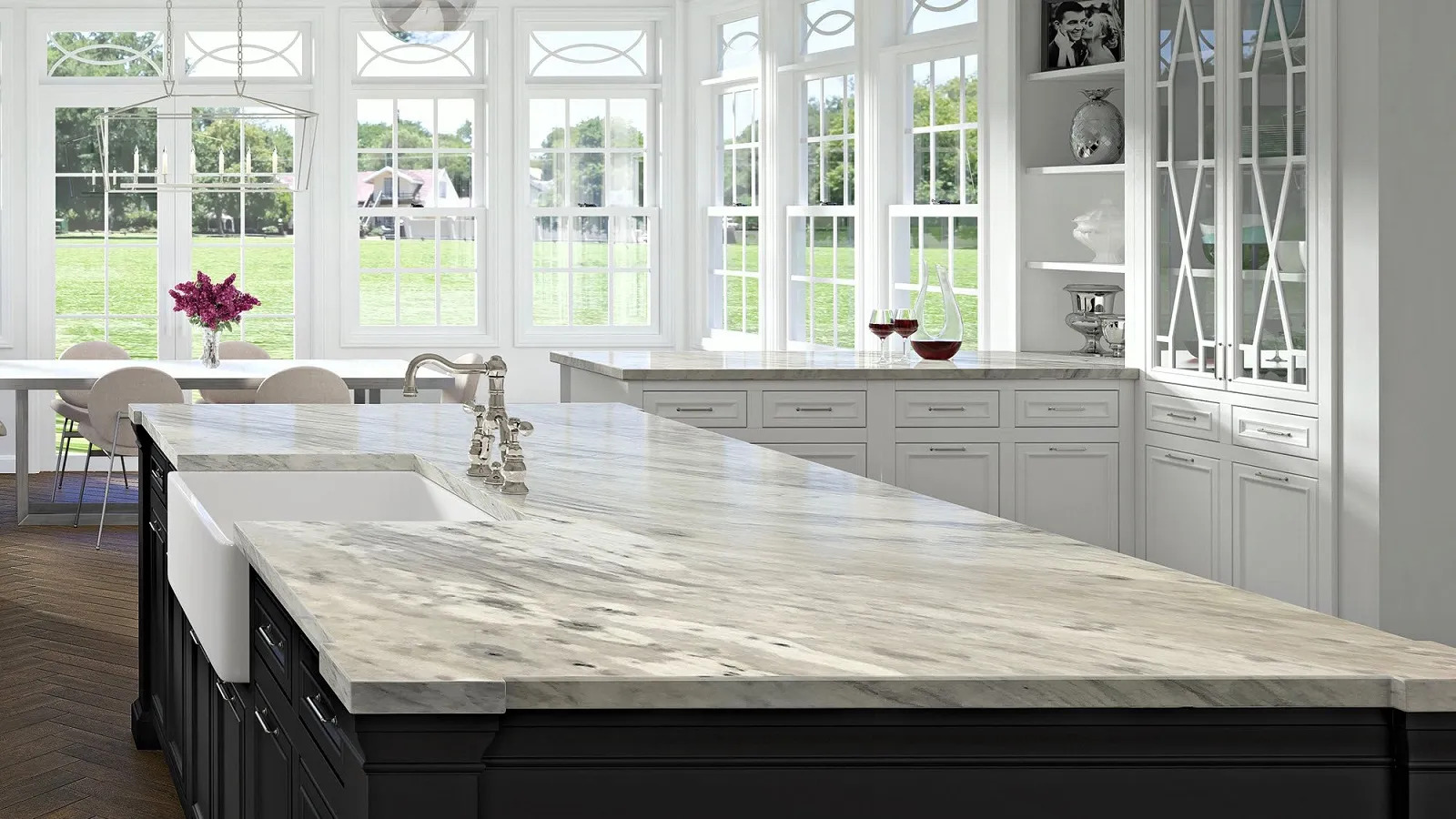
Marble and granite are two of the most famous types of natural stone that people use for floors, countertops, and other surfaces. Both materials offer distinct advantages, but marble often stands out as the superior choice for many homeowners and designers. In this article, we’ll delve into the key differences between marble slabs and granite, highlighting why marble might be the better option for your next project.
Understanding Marble and Granite
The rock marble was made when high temperatures and pressures changed limestone into another type of rock. The calcite in the limestone re-crystallizes because of this process. This is what gives marble its beautiful veined patterns. Because of how it is naturally made, marble is a material that is often admired for its beauty and unique patterns.
On the other hand, granite is an igneous rock that was made when lava below the Earth's surface cooled and crystallized. Its grainy shape comes from the quartz, feldspar, and mica that make up most of it. Granite is often used in a wide range of situations because it is long-lasting and comes in many colors and designs.
Aesthetic Appeal
One of the primary reasons marble is often considered superior to granite is its aesthetic appeal. Marble is known for being beautiful and elegant for a long time. The natural veining patterns and rich color variations give each marble slab a unique and luxurious appearance. Whether you’re looking for a classic white marble with subtle gray veins or a dramatic, dark marble with striking patterns, marble provides a level of sophistication that is hard to match.
Granite, while also attractive, tends to have a more uniform appearance with speckles and flecks of color. Its patterns are less fluid and often appear more consistent across slabs. While this uniformity can be appealing in certain designs, it lacks the unique character and opulence of marble.
Environmental Impact and Sustainability
As caring for the environment grows, people are also paying more attention to how long the products used in home design will last. Marble and granite are both natural stones, and the processes used to get them can have an effect on the world. However, the sustainability of these materials depends largely on how they are sourced and processed.
Marble extraction involves quarrying, which can be environmentally taxing if not managed responsibly. Many suppliers are working towards more sustainable practices, including reducing waste and using environmentally friendly extraction methods.
Granite, being more abundant and often found in larger deposits, can sometimes be seen as a more sustainable option. However, the environmental impact of quarrying and transportation still needs to be considered.
If you’re looking for a marble slabs supplier who prioritizes sustainability, it’s worth researching their practices and commitments to eco-friendly operations.
Durability and Maintenance
When it comes to how long it lasts, granite wins. Granite is very hard to scratch, stain, and heat, which makes it a great choice for kitchens and other places that get a lot of use. Its dense composition means it does not absorb liquids as easily, reducing the likelihood of staining.
Marble, however, is more porous and softer than granite, which makes it more susceptible to scratching and staining. Marble surfaces can be easily damaged by acidic substances such as lemon juice or vinegar. As a result, marble requires more careful maintenance and regular sealing to protect its surface. Despite this, many people choose marble for its aesthetic qualities and are willing to put in the extra effort to maintain its beauty.
Cost Considerations
Cost is a significant factor when choosing between marble and granite. Generally, marble is considered a more expensive option due to its luxury appeal and the intricate process of quarrying and finishing. High-quality marble can come with a hefty price tag, especially for exotic or rare varieties.
Granite, while also a significant investment, is often more budget-friendly compared to high-end marble. Its durability and widespread availability contribute to its relatively lower cost.
Conclusion
Overall, both marble and granite have their own benefits and can be used for different things. However, marble is usually the better choice for people who care more about style and wealth. Its classic beauty, unique veining patterns, and rich look make it a favorite among homeowners and designers who want to make a place look classy and sophisticated.
Granite is strong and useful, and you can't ignore those facts, especially in places that get a lot of foot traffic or need little upkeep. Because it doesn't get scratched or stained easily, it's a good choice for many.
In the end, your wants, tastes, and budget will determine whether you choose marble or granite. No matter if you choose the classic beauty of marble or the useful strength of granite, both will give your home great quality and style.
When choosing a marble slab provider, you should look at their track record, how they treat the environment, and the variety of slabs they offer. If you buy from a reputable company, you can get high-quality marble slabs that will last and help you achieve your style goals. You can't ignore granite's durability and usefulness, especially in places with a lot of foot traffic or that need low maintenance.
