
Emergency Leak Detection: What To Do If You Suspect A Water Leak?Home Based BusinessesUpdated on Mar 9, 2025 View more like this | Visit LEIPSIC, OH | Contact james kashung |
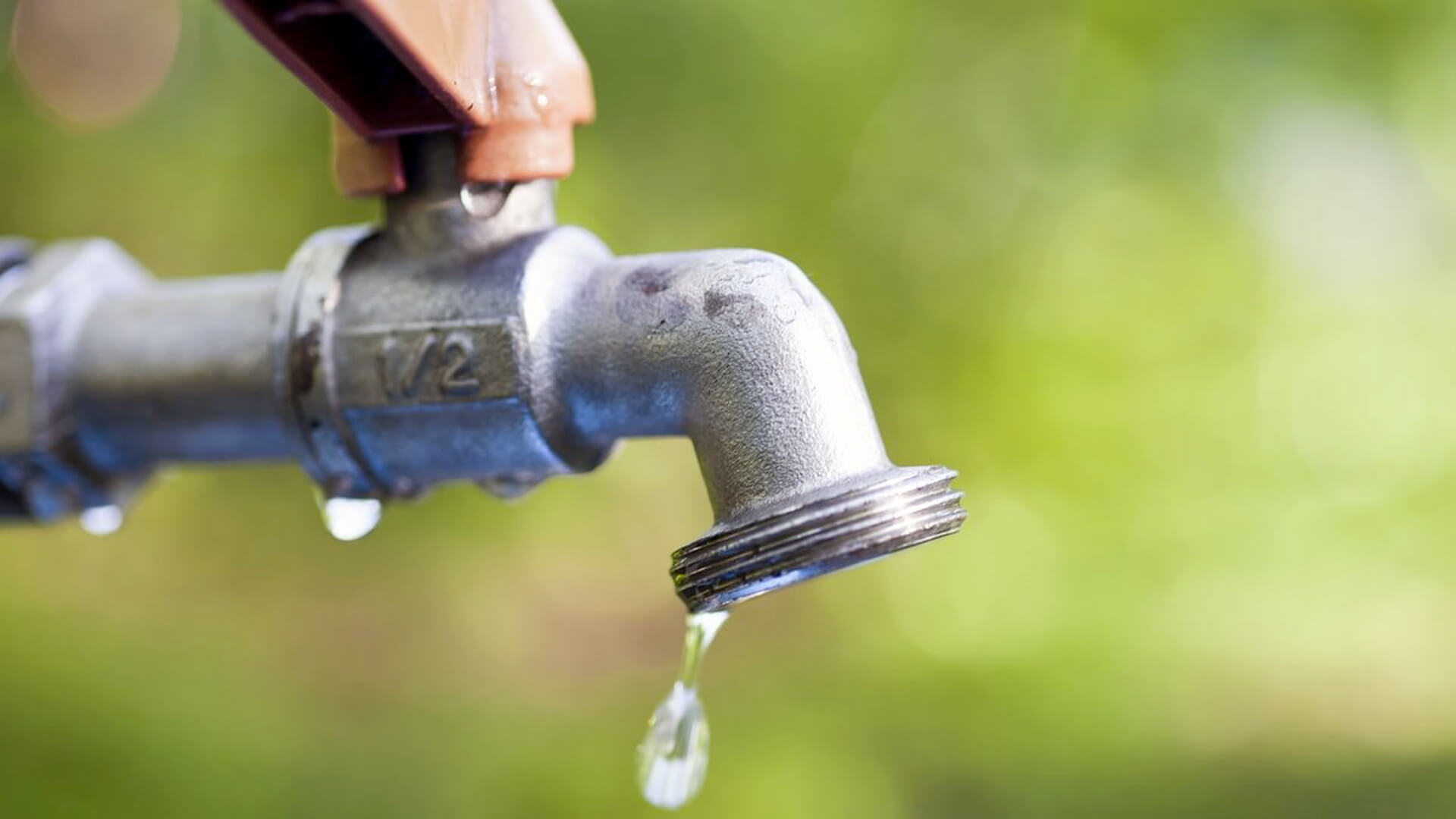
If water leaks are not addressed, they can result in expensive repairs, the growth of mold, and structural problems. While some leaks are apparent, such as dripping faucets or visible water stains, others may be hidden behind walls, under floors, or underground. When you suspect a leak, you can take immediate action to stop additional damage and save money on repairs. If you notice unexplained water stains, damp odors, or a sudden spike in your water bill, it's crucial to act fast-https://leakdetectionlasvegas.com/leak-detection-pahrump-nv/ offers expert leak detection services to pinpoint hidden leaks before they cause extensive damage. Here's a step-by-step guide on what to do in an emergency leak situation.
Recognizing The Signs Of A Water Leak
Before taking action, it's important to identify the warning signs of a potential leak. Some common indicators include:
- Unexplained Increase In Water Bills: A sudden rise in your water bill without an increase in usage is a major red flag.
- Low Water Pressure: A drop in water pressure throughout your home may indicate a hidden leak in your plumbing system.
- Damp Or Discolored Walls And Ceilings: Water stains, peeling paint, or bubbling drywall can signal moisture buildup.
- Unusual Sounds: If you hear hissing or dripping noises when no faucets are in use, there could be a leak within the walls.
- Musty Odors: Persistent damp or moldy smells can indicate long-term water exposure.
- Standing Water Or Wet Spots: Puddles near appliances, under sinks, or on floors suggest a leak that needs immediate attention.
If you notice one or more of these signs, quick action is necessary to prevent further complications.
What To Do If You Think There May Be A Leak ?
- Turn Off The Water Supply
The first step in an emergency leak situation is to shut off the main water supply. This will halt the water flow and stop further damage. The main shut-off valve is usually near the water meter or where the main water line comes into your home.
- Check Your Water Meter
A quick way to confirm a hidden leak is by checking your water meter. After shutting off all water sources inside your home, look at the meter reading. If the meter continues to move, it means water is still flowing somewhere, indicating a leak.
- Inspect Visible Plumbing Fixtures
Look under sinks, around toilets, and near appliances such as dishwashers and water heaters for any visible signs of leaking. A tiny leak could be a sign of a bigger problem with your plumbing system.
- Listen For Sounds Of Running Water
In a quiet environment, listen carefully for running or dripping water behind walls, under floors, or within the ceiling. Hissing or gurgling sounds could point to a pressurized leak in the pipes.
- Check For Hot Spots On The Floor
A warm area on your floor could indicate a leak in a hot water pipe beneath the surface. This is especially common with slab leaks, where water escapes from underground pipes.
- Monitor Your Water Usage
If you're unable to locate the leak immediately, continue monitoring your water usage over a 24-hour period. A significant drop when the water is turned off could confirm a hidden leak.
- Use Leak Detection Tools
You can determine the amount of moisture in walls and floors if you have access to a moisture meter or an infrared thermometer. These devices help pinpoint the location of hidden leaks without causing unnecessary damage.
- Call A Professional Leak Detection Service
If the leak is not visible or you're unable to locate the source, contacting a professional leak detection service is the best course of action. Experts use advanced technology such as acoustic listening devices, infrared imaging, and tracer gas detection to identify leaks without invasive measures.
Preventing Future Leaks
Once the immediate leak is addressed, taking preventive measures can help avoid future issues:
- Regularly Inspect Plumbing: Check pipes, faucets, and appliances for wear and tear.
- Maintain Water Pressure: Excessive water pressure can put stress on pipes and make leaks more likely. Installing a pressure regulator can help.
- Monitor Your Water Bill: Unusual spikes in water consumption should be investigated promptly.
- Seal Cracks And Openings: Ensure that walls, ceilings, and floors are well-sealed to prevent water intrusion.
- Schedule Professional Inspections: Having a licensed plumber inspect your system annually can detect potential problems before they become emergencies.
Final Thoughts
Water leaks can escalate quickly, leading to extensive property damage and high repair costs. Taking immediate action when you suspect a leak—such as turning off the water supply, inspecting plumbing fixtures, and contacting a professional—can prevent a minor issue from becoming a major disaster. You can keep your plumbing system in top shape and shield your house from expensive water damage by being watchful and taking preventative action.
