
Why Choose to Live in a 55+ Rental CommunityFurnished ApartmentsUpdated on Oct 30, 2015 View more like this | Visit ISELIN, NJ | Contact Enrica Clavito |
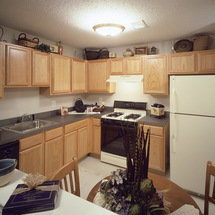
It can be a special time in life when you reach your senior years, especially if you still have a good measure of your own vitality. You’ve probably spent a good portion of your time taking care of others, but now you’re looking to spend your available time enjoying the money you’ve saved and taking full advantage of what life has to offer. It is at this point that many seniors look to find new housing that will allow them to live the life they have always dreamed of. This is why many choose to live in 55+ senior rentals. According to SeniorLiving.org,
“The well-designed communities have all of the residents’ needs in mind. You should be close to hospitals, shopping, dining, and local attractions. Some like the physical security that a community provides whether it’s a gated neighborhood or on-site security patrols. Others like to live with their peers without children in the neighborhood.”
So, rather than worrying about keeping up a large home or tending to yard work, these communities offer a simpler lifestyle so that residents can spend more time doing whatever they enjoy the most.
Types of Communities
There are several different types of 55+ communities to choose from so residents won’t find themselves bottled up in a one-size-fits-all type of living quarters. Each one offers its own set of amenities and is nestled in a specific type of suburban setting. You can choose from gender specific type housing, a luxury high-rise, a golf and resort community, sailing communities, or even an RV retirement park if that’s what you prefer. The fact is that there are just about as many options for senior retirement homes as there are for any other type of living accommodations. So those that choose to live there can have their pick of the lifestyle they would enjoy the most.
Who Chooses Retirement Communities
Of course, these types of living environments are not for everyone so it’s important that you choose your place with care. These communities are specifically designed and planned with the senior citizen in mind but residents also need to be in good health and live a relatively active lifestyle. As they point out at SeniorHomes.com,
“Many retirees make the decision to move into a 55+ community to release themselves from the hassle of home maintenance, to enjoy amenities otherwise unavailable to them in a single-family home and to make new friends in a community of like-minded individuals.”
This way they are looking for a relatively full and active life complete with companionship with their peers. They won’t have to go out and share their space with others who may not know or appreciate the sacrifices they have already made in their lives. With an age limit for residents, they can feel secure in spending time at the pool, clubhouse, or even in their own yard without worry of interference or disturbances that occur in a traditional neighborhood.
Cuts on Expenses
Seniors can also save on everyday expenses when they live in this type of community. Rather than dealing with the expense of maintaining a traditional home or apartment, seniors in this type of community can save a great deal. With the average monthly cost of living in a senior home considerably lower than other types of housing, seniors dollars will stretch even further. Still, it is important for you to calculate the costs before you make a decision. As they advise us at Helpguide.org,
“There are a range of costs associated with independent living, from subsidized housing for low-income seniors to CCRCs with options for long-term care. In the U.S., the average monthly cost of independent living ranges from $1,500 to $3,500. As you consider independent living, prepare a budget to estimate costs, taking into account other expenses such as medical bills.”
For most, moving into senior housing will be a major change from anything else they have ever done in their lives. It’s important that each person decide not just on whether or not to live in a senior facility but they should also decide on the type of environment they need, the location, and amenities so that they can be sure that their retirement years will provide them with everything they have worked so hard to enjoy.
“The well-designed communities have all of the residents’ needs in mind. You should be close to hospitals, shopping, dining, and local attractions. Some like the physical security that a community provides whether it’s a gated neighborhood or on-site security patrols. Others like to live with their peers without children in the neighborhood.”
So, rather than worrying about keeping up a large home or tending to yard work, these communities offer a simpler lifestyle so that residents can spend more time doing whatever they enjoy the most.
Types of Communities
There are several different types of 55+ communities to choose from so residents won’t find themselves bottled up in a one-size-fits-all type of living quarters. Each one offers its own set of amenities and is nestled in a specific type of suburban setting. You can choose from gender specific type housing, a luxury high-rise, a golf and resort community, sailing communities, or even an RV retirement park if that’s what you prefer. The fact is that there are just about as many options for senior retirement homes as there are for any other type of living accommodations. So those that choose to live there can have their pick of the lifestyle they would enjoy the most.
Who Chooses Retirement Communities
Of course, these types of living environments are not for everyone so it’s important that you choose your place with care. These communities are specifically designed and planned with the senior citizen in mind but residents also need to be in good health and live a relatively active lifestyle. As they point out at SeniorHomes.com,
“Many retirees make the decision to move into a 55+ community to release themselves from the hassle of home maintenance, to enjoy amenities otherwise unavailable to them in a single-family home and to make new friends in a community of like-minded individuals.”
This way they are looking for a relatively full and active life complete with companionship with their peers. They won’t have to go out and share their space with others who may not know or appreciate the sacrifices they have already made in their lives. With an age limit for residents, they can feel secure in spending time at the pool, clubhouse, or even in their own yard without worry of interference or disturbances that occur in a traditional neighborhood.
Cuts on Expenses
Seniors can also save on everyday expenses when they live in this type of community. Rather than dealing with the expense of maintaining a traditional home or apartment, seniors in this type of community can save a great deal. With the average monthly cost of living in a senior home considerably lower than other types of housing, seniors dollars will stretch even further. Still, it is important for you to calculate the costs before you make a decision. As they advise us at Helpguide.org,
“There are a range of costs associated with independent living, from subsidized housing for low-income seniors to CCRCs with options for long-term care. In the U.S., the average monthly cost of independent living ranges from $1,500 to $3,500. As you consider independent living, prepare a budget to estimate costs, taking into account other expenses such as medical bills.”
For most, moving into senior housing will be a major change from anything else they have ever done in their lives. It’s important that each person decide not just on whether or not to live in a senior facility but they should also decide on the type of environment they need, the location, and amenities so that they can be sure that their retirement years will provide them with everything they have worked so hard to enjoy.
