
Why Does Your Fishing Line Snap During Casting? How Better Monofilament Lines Can Prevent ItFishing Equipment & Supplies CommercialUpdated on Jun 30, 2026 View more like this | Visit India, UN | Contact niya jose |
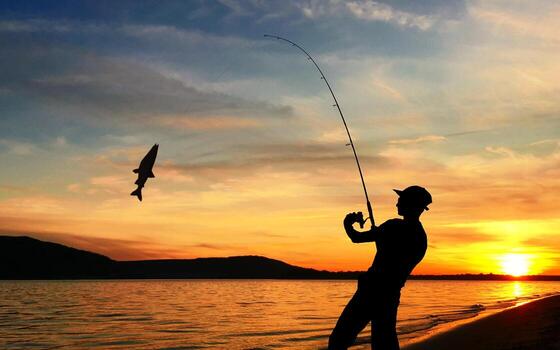
Fishing is meant to be relaxing, and at the heart of every successful cast is the fishing line, which plays a major role in how smooth and controlled your overall experience feels. From loading your bait to releasing it into the water, the performance of your fishing line directly affects casting distance, accuracy, and overall confidence.
In many cases, anglers notice that the condition and quality of the fishing line strongly influence how well a cast behaves. When the line is fresh, properly matched to the setup, and has good flexibility, it moves smoothly through the rod guides and allows a clean release. However, when it is slightly worn, unbalanced, or not suited for the rod and lure combination, the casting experience can become inconsistent.
This is why many anglers prefer monofilament lines, as they offer a balanced mix of strength and stretch that helps maintain smoother casting in different conditions. Their natural flexibility helps absorb sudden tension and supports better control during the cast.
It is also important to understand that casting performance depends on several connected factors such as line strength, knot quality, rod action, reel setup, and casting technique. Even a small imbalance in any of these can affect the overall performance.
Once these factors are understood, improving your setup becomes much easier. With the right fishing line choice, proper gear balance, and reliable monofilament lines, anglers can achieve smoother casting, better accuracy, and a more consistent fishing experience.
Understanding Why Fishing Line Breaks During Casting
A fishing line is designed to handle tension, but only within a safe limit. When that limit is crossed, the line fails. However, most line breaks during casting happen even before a fish is hooked, which means the problem is often related to setup or handling.
One major reason is hidden wear and tear. Over time, a fishing line loses its strength due to repeated use. Even if it looks fine on the surface, internal damage may already be present. This weak structure cannot handle sudden casting force.
Another reason is uneven tension during release. When the lure is thrown forward, the line experiences a sudden pull. If that pull is too sharp or inconsistent, the weakest point of the line gives way immediately.
Incorrect Line Strength Selection
Choosing the wrong fishing line strength is one of the most common mistakes. Every line has a specific weight rating, and this rating should match both the rod and the lure.
If the line is too light for the lure being used, the casting force becomes too heavy for it to handle. This leads to snapping even before the lure reaches the water.
On the other hand, using an unnecessarily heavy line can also cause issues because it reduces casting smoothness and creates additional stress on the rod system. Balance is always important.
Many beginners overlook this and assume all lines work the same way, but in reality, proper matching of gear plays a major role in preventing breakage.
Weak or Old Fishing Line Condition
One of the biggest hidden problems is using an old or worn-out fishing line. Line material naturally degrades over time due to exposure to sunlight, moisture, and friction.
UV rays slowly break down the internal structure of the line. This makes it brittle and less flexible. A brittle line cannot handle sudden force during casting and snaps easily.
Storage also matters. If the line is left on the reel for too long without use or maintenance, it develops weak spots. These weak sections are usually where breakage happens during casting.
Even if the line looks usable, its actual strength may be much lower than expected.
Casting Technique Errors
Sometimes, the problem is not the equipment but the technique. A very aggressive or rushed casting style can create a sudden spike in tension on the fishing line.
When the rod is whipped too hard, the line is forced to carry an instant load. This shock load often exceeds the line’s limit.
Improper timing is another issue. If the release point is not smooth, the line does not flow evenly through the rod guides. Instead, it jerks suddenly, increasing the chance of snapping.
A controlled and steady casting motion helps reduce this pressure significantly and keeps the line safe.
Knot Weakness and Pressure Points
Knots are one of the weakest points in any fishing line system. If a knot is tied poorly or not tightened properly, it creates a stress point where breakage is likely to occur.
During casting, these knots experience more pressure than the rest of the line. If there is even a slight weakness, the line may snap at the knot instead of the main length.
Using the right knot type and ensuring it is properly tightened and trimmed can reduce this risk significantly.
How Monofilament Lines Help Reduce Snapping
This is where monofilament lines become very useful. Monofilament line is made from a single strand of nylon, offering a good mix of flexibility and strength.
Unlike stiff line types, monofilament has natural stretch. This stretch allows it to absorb sudden force during casting instead of breaking immediately.
This property is extremely helpful when:
Casting heavy lures
Dealing with sudden rod tension
Learning beginner casting techniques
Because of its flexibility, monofilament line is often recommended for beginners and casual anglers.
Shock Absorption Advantage of Monofilament Lines
The biggest strength of monofilament lines is shock absorption. When casting creates a sudden pull, the line stretches slightly instead of snapping.
This reduces pressure on weak points like knots, reel edges, and rod guides. It also helps maintain smooth energy transfer during casting.
In simple terms, instead of taking full force instantly, the line spreads the force over a short moment, reducing the risk of breakage.
This is one of the main reasons monofilament is still widely used even with modern fishing line options available today.
Environmental Damage and Line Weakening
External conditions also play a major role in weakening a fishing line. Sunlight exposure is one of the biggest factors. UV rays slowly reduce the durability of the line over time.
Exposure to waterespecially saltwatercan also reduce performance if the line isn’t cleaned properly after use.Dirt, sand, and dust add friction, which gradually wears down the surface.
Even temperature changes can impact flexibility. When a line becomes too stiff due to environmental conditions, it loses its ability to handle sudden force.
Proper maintenance can significantly extend the life of both regular lines and monofilament lines.
Simple Practices to Prevent Line Snapping
Preventing line breakage does not require complicated techniques. A few simple habits can significantly improve overall fishing performance.
Always check your fishing line carefully before starting a fishing session.Look for rough textures, faded color, or stiffness. These are early signs of damage.
Make sure your reel is properly spooled. If the line is uneven or loosely packed, it creates pressure points that lead to breakage during casting.
Match your line strength with your fishing setup. A balanced rod, reel, and line combination improves performance and reduces stress.
If you face repeated snapping issues, switching to quality monofilament lines can provide a more forgiving and stable experience.
When You Should Replace Your Fishing Line
A fishing line should not be used endlessly. Over time, performance naturally decreases even if there is no visible damage.
Signs that you need replacement include frequent tangles, reduced casting distance, or sudden breakage under light pressure.
If the line feels rough or loses smoothness during casting, it is usually a sign of internal wear.
With monofilament lines, it’s important to replace them regularly, as the material can lose strength over time faster than some other modern line types.
Final Thoughts
A snapping fishing line during casting is usually caused by a combination of small issues rather than one single reason. It could be weak line condition, improper casting technique, incorrect strength selection, or environmental damage.
The good news is that all of these problems can be controlled with simple adjustments.
Using well-maintained gear, choosing the right setup, and improving casting technique can significantly reduce breakage.
For many anglers, monofilament lines remain a practical solution because they offer flexibility, shock absorption, and ease of use. These qualities help prevent sudden snapping and make casting smoother and more reliable.
With proper care and regular maintenance, fishing becomes more enjoyable, consistent, and less prone to unexpected line failures.
In many cases, anglers notice that the condition and quality of the fishing line strongly influence how well a cast behaves. When the line is fresh, properly matched to the setup, and has good flexibility, it moves smoothly through the rod guides and allows a clean release. However, when it is slightly worn, unbalanced, or not suited for the rod and lure combination, the casting experience can become inconsistent.
This is why many anglers prefer monofilament lines, as they offer a balanced mix of strength and stretch that helps maintain smoother casting in different conditions. Their natural flexibility helps absorb sudden tension and supports better control during the cast.
It is also important to understand that casting performance depends on several connected factors such as line strength, knot quality, rod action, reel setup, and casting technique. Even a small imbalance in any of these can affect the overall performance.
Once these factors are understood, improving your setup becomes much easier. With the right fishing line choice, proper gear balance, and reliable monofilament lines, anglers can achieve smoother casting, better accuracy, and a more consistent fishing experience.
Understanding Why Fishing Line Breaks During Casting
A fishing line is designed to handle tension, but only within a safe limit. When that limit is crossed, the line fails. However, most line breaks during casting happen even before a fish is hooked, which means the problem is often related to setup or handling.
One major reason is hidden wear and tear. Over time, a fishing line loses its strength due to repeated use. Even if it looks fine on the surface, internal damage may already be present. This weak structure cannot handle sudden casting force.
Another reason is uneven tension during release. When the lure is thrown forward, the line experiences a sudden pull. If that pull is too sharp or inconsistent, the weakest point of the line gives way immediately.
Incorrect Line Strength Selection
Choosing the wrong fishing line strength is one of the most common mistakes. Every line has a specific weight rating, and this rating should match both the rod and the lure.
If the line is too light for the lure being used, the casting force becomes too heavy for it to handle. This leads to snapping even before the lure reaches the water.
On the other hand, using an unnecessarily heavy line can also cause issues because it reduces casting smoothness and creates additional stress on the rod system. Balance is always important.
Many beginners overlook this and assume all lines work the same way, but in reality, proper matching of gear plays a major role in preventing breakage.
Weak or Old Fishing Line Condition
One of the biggest hidden problems is using an old or worn-out fishing line. Line material naturally degrades over time due to exposure to sunlight, moisture, and friction.
UV rays slowly break down the internal structure of the line. This makes it brittle and less flexible. A brittle line cannot handle sudden force during casting and snaps easily.
Storage also matters. If the line is left on the reel for too long without use or maintenance, it develops weak spots. These weak sections are usually where breakage happens during casting.
Even if the line looks usable, its actual strength may be much lower than expected.
Casting Technique Errors
Sometimes, the problem is not the equipment but the technique. A very aggressive or rushed casting style can create a sudden spike in tension on the fishing line.
When the rod is whipped too hard, the line is forced to carry an instant load. This shock load often exceeds the line’s limit.
Improper timing is another issue. If the release point is not smooth, the line does not flow evenly through the rod guides. Instead, it jerks suddenly, increasing the chance of snapping.
A controlled and steady casting motion helps reduce this pressure significantly and keeps the line safe.
Knot Weakness and Pressure Points
Knots are one of the weakest points in any fishing line system. If a knot is tied poorly or not tightened properly, it creates a stress point where breakage is likely to occur.
During casting, these knots experience more pressure than the rest of the line. If there is even a slight weakness, the line may snap at the knot instead of the main length.
Using the right knot type and ensuring it is properly tightened and trimmed can reduce this risk significantly.
How Monofilament Lines Help Reduce Snapping
This is where monofilament lines become very useful. Monofilament line is made from a single strand of nylon, offering a good mix of flexibility and strength.
Unlike stiff line types, monofilament has natural stretch. This stretch allows it to absorb sudden force during casting instead of breaking immediately.
This property is extremely helpful when:
Casting heavy lures
Dealing with sudden rod tension
Learning beginner casting techniques
Because of its flexibility, monofilament line is often recommended for beginners and casual anglers.
Shock Absorption Advantage of Monofilament Lines
The biggest strength of monofilament lines is shock absorption. When casting creates a sudden pull, the line stretches slightly instead of snapping.
This reduces pressure on weak points like knots, reel edges, and rod guides. It also helps maintain smooth energy transfer during casting.
In simple terms, instead of taking full force instantly, the line spreads the force over a short moment, reducing the risk of breakage.
This is one of the main reasons monofilament is still widely used even with modern fishing line options available today.
Environmental Damage and Line Weakening
External conditions also play a major role in weakening a fishing line. Sunlight exposure is one of the biggest factors. UV rays slowly reduce the durability of the line over time.
Exposure to waterespecially saltwatercan also reduce performance if the line isn’t cleaned properly after use.Dirt, sand, and dust add friction, which gradually wears down the surface.
Even temperature changes can impact flexibility. When a line becomes too stiff due to environmental conditions, it loses its ability to handle sudden force.
Proper maintenance can significantly extend the life of both regular lines and monofilament lines.
Simple Practices to Prevent Line Snapping
Preventing line breakage does not require complicated techniques. A few simple habits can significantly improve overall fishing performance.
Always check your fishing line carefully before starting a fishing session.Look for rough textures, faded color, or stiffness. These are early signs of damage.
Make sure your reel is properly spooled. If the line is uneven or loosely packed, it creates pressure points that lead to breakage during casting.
Match your line strength with your fishing setup. A balanced rod, reel, and line combination improves performance and reduces stress.
If you face repeated snapping issues, switching to quality monofilament lines can provide a more forgiving and stable experience.
When You Should Replace Your Fishing Line
A fishing line should not be used endlessly. Over time, performance naturally decreases even if there is no visible damage.
Signs that you need replacement include frequent tangles, reduced casting distance, or sudden breakage under light pressure.
If the line feels rough or loses smoothness during casting, it is usually a sign of internal wear.
With monofilament lines, it’s important to replace them regularly, as the material can lose strength over time faster than some other modern line types.
Final Thoughts
A snapping fishing line during casting is usually caused by a combination of small issues rather than one single reason. It could be weak line condition, improper casting technique, incorrect strength selection, or environmental damage.
The good news is that all of these problems can be controlled with simple adjustments.
Using well-maintained gear, choosing the right setup, and improving casting technique can significantly reduce breakage.
For many anglers, monofilament lines remain a practical solution because they offer flexibility, shock absorption, and ease of use. These qualities help prevent sudden snapping and make casting smoother and more reliable.
With proper care and regular maintenance, fishing becomes more enjoyable, consistent, and less prone to unexpected line failures.
