
Using Fishing Hooks the Right Way: When Treble Hooks Improve Your Catch Rate (2026)Fishing Equipment & Supplies CommercialUpdated on Apr 22, 2026 View more like this | Visit India, UN | Contact niya jose |
The moment your lure lands on the water and slowly settles, every angler knows that feelingwaiting, watching, and hoping for that sudden strike. Sometimes the fish hits hard, but somehow it slips away. Other times, you feel a bite but fail to hook it properly. Many anglers blame luck, but in reality, one small factor often makes the biggest difference: fishing hooks.
In Indian fishing conditionswhether you’re casting in ponds, rivers, lakes, or coastal watersthe type of hook you use can completely change your results. Using the wrong hook can lead to missed strikes, frequent snagging, or losing fish just when you think you’ve got them. This is where understanding treble hooks becomes important.
Instead of using hooks randomly, smart anglers focus on matching the right fishing hooks to the situation. When used correctly, treble hooks can increase your hook-up rate and help you land more fish. But when used in the wrong conditions, they can do the opposite.
Why Fishing Hooks Matter So Much
Think of fishing hooks as the final connection between you and the fish. Even if everything else is perfect, a poor hook choice can cost you the catch.
Indian fishing spots vary a lot:
Weedy ponds and canals
Open lakes and reservoirs
Coastal saltwater areas
Each condition needs the right fishing hooks to work properly.
What Are Treble Hooks (Simple Explanation)
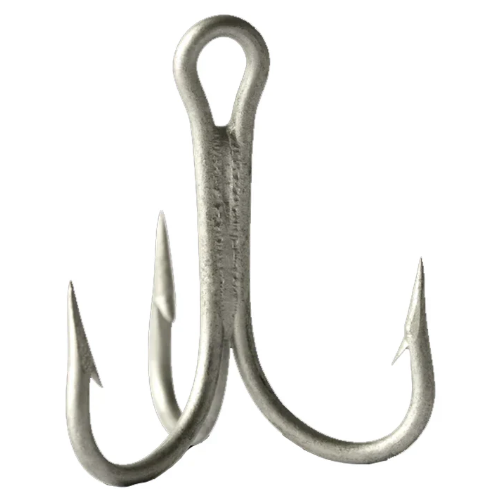
Treble hooks are hooks with three points instead of one. You’ll usually find them on hard lures like poppers, crankbaits, and minnows.
Why anglers use treble hooks:
More points = higher chance to hook fish
Works well for fast strikes
Good for moving lures
In India, treble hooks are useful for species like:
Snakehead (Murrel)
Barramundi
Bass
When Treble Hooks Work Best
1. Open Water Areas
In places with less vegetation, treble hooks perform really well. Fish can strike freely, and your hook-up chances increase.
2. Fast-Moving Lures
If your lure moves quickly:
Fish may hit and move away fast
treble hooks help catch them before they escape
3. Aggressive Fish
For fish that strike hard, treble hooks give you a better chance of landing them.
When NOT to Use Treble Hooks
Heavy Weed Areas
In areas with lots of grass or cover:
Treble hooks get stuck easily
You lose time and lures
Use single fishing hooks instead
Small Fish Targeting
For smaller fish:
treble hooks are too big
Single hooks work better
Easy Hook Removal Situations
Treble hooks are harder to remove and can injure fish more.
Treble Hooks Based on Fish Species (Very Important)
Not all fish behave the same. Choosing fishing hooks based on species can give you a big advantage.
Snakehead (Murrel)
Very aggressive striker
Attacks lures with force
Treble hooks work well in open water
Helps secure the fish during sudden jumps
Barramundi
Strong and fast fish
Often shakes its head to escape
Strong treble hooks improve landing chances
Good for hard lures in open areas
Bass (Largemouth / Peacock Bass)
Attacks moving lures quickly
Treble hooks increase hook-up rate
Best used with crankbaits and topwater lures
Catfish
Usually slower feeders
Single fishing hooks work better
Treble hooks are not very effective
Tilapia & Small Fish
Light bites, not aggressive
Use small single fishing hooks
Avoid treble hooks completely
Saltwater Predators (General)
Strong and aggressive
Use strong, rust-resistant treble hooks
Helps hold fish during powerful runs
Simple Trick to Improve Treble Hooks
A useful trick many anglers use:
Remove one point from the treble hooks
Or
Bend one point slightly inward
Benefits:
Less snagging
Still good hook-up rate
Easier fish handling
Easy Hook Selection Method (Follow This)
Before you start fishing, ask:
1. Is the water weedy or open?
Weedy = single fishing hooks
Open = treble hooks
2. Is the fish aggressive?
Yes = treble hooks
No = single hook
3. Is the lure fast or slow?
Fast = treble hooks
Slow = single hook
This simple method works in most Indian fishing conditions.
Don’t Ignore Hook Maintenance
Even the best fishing hooks won’t work if they are dull or rusty.
Basic tips:
Keep hooks sharp
Replace rusted treble hooks
Dry hooks after use
A sharp hook can make a big difference.
Common Mistakes to Avoid
Using treble hooks everywhere
Ignoring water conditions
Choosing the wrong hook size
Not checking hook sharpness
Fixing these mistakes can quickly improve your results.
Real Fishing Situations Where Hook Choice Changes Everything
In real fishing trips across India, small decisions often decide the outcome of the entire day. Many anglers notice that two people fishing in the same spot can get completely different resultsnot because of luck, but because of how they use their fishing hooks.
For example, when fishing in clear open water, a lure fitted with treble hooks can quickly convert a short strike into a solid catch. Fish like snakehead or bass often attack aggressively but may not fully swallow the bait in one go. In such cases, multiple hook points increase the chance of holding the fish during that quick strike.
On the other hand, in slow-moving or heavily covered waters, the same treble hooks can become a problem. They catch weeds, branches, and debris easily, which breaks the lure’s natural movement. In these situations, anglers who switch to simple single fishing hooks often perform better because the setup moves more freely and naturally.
Another real-world situation is when fish are short strikinghitting the lure but not fully biting it. This is very common in Indian waters during warm weather or high fishing pressure. Here again, treble hooks help because even a light touch can result in a hook-up.
This is why experienced anglers don’t stick to just one setup. They constantly adjust their fishing hooks based on water clarity, fish behavior, and lure action. This small habit is what separates casual fishing from consistent success.
Final Thoughts
At the end of the day, fishing is not about luckit’s about making better decisions on the water. The way you choose and use your fishing hooks can quietly decide your success long before a fish even bites. While treble hooks can give you an edge in the right conditions, the real skill lies in knowing when to use them and when to keep things simple.
Good anglers don’t just castthey observe, adjust, and improve with every trip. So next time you’re by the water, take a moment to think about your setup. A small change in your hook choice can turn missed chances into solid catches.
Fish with awareness, choose your fishing hooks wisely, and let every cast count.
In Indian fishing conditionswhether you’re casting in ponds, rivers, lakes, or coastal watersthe type of hook you use can completely change your results. Using the wrong hook can lead to missed strikes, frequent snagging, or losing fish just when you think you’ve got them. This is where understanding treble hooks becomes important.
Instead of using hooks randomly, smart anglers focus on matching the right fishing hooks to the situation. When used correctly, treble hooks can increase your hook-up rate and help you land more fish. But when used in the wrong conditions, they can do the opposite.
Why Fishing Hooks Matter So Much
Think of fishing hooks as the final connection between you and the fish. Even if everything else is perfect, a poor hook choice can cost you the catch.
Indian fishing spots vary a lot:
Weedy ponds and canals
Open lakes and reservoirs
Coastal saltwater areas
Each condition needs the right fishing hooks to work properly.
What Are Treble Hooks (Simple Explanation)
Treble hooks are hooks with three points instead of one. You’ll usually find them on hard lures like poppers, crankbaits, and minnows.
Why anglers use treble hooks:
More points = higher chance to hook fish
Works well for fast strikes
Good for moving lures
In India, treble hooks are useful for species like:
Snakehead (Murrel)
Barramundi
Bass
When Treble Hooks Work Best
1. Open Water Areas
In places with less vegetation, treble hooks perform really well. Fish can strike freely, and your hook-up chances increase.
2. Fast-Moving Lures
If your lure moves quickly:
Fish may hit and move away fast
treble hooks help catch them before they escape
3. Aggressive Fish
For fish that strike hard, treble hooks give you a better chance of landing them.
When NOT to Use Treble Hooks
Heavy Weed Areas
In areas with lots of grass or cover:
Treble hooks get stuck easily
You lose time and lures
Use single fishing hooks instead
Small Fish Targeting
For smaller fish:
treble hooks are too big
Single hooks work better
Easy Hook Removal Situations
Treble hooks are harder to remove and can injure fish more.
Treble Hooks Based on Fish Species (Very Important)
Not all fish behave the same. Choosing fishing hooks based on species can give you a big advantage.
Snakehead (Murrel)
Very aggressive striker
Attacks lures with force
Treble hooks work well in open water
Helps secure the fish during sudden jumps
Barramundi
Strong and fast fish
Often shakes its head to escape
Strong treble hooks improve landing chances
Good for hard lures in open areas
Bass (Largemouth / Peacock Bass)
Attacks moving lures quickly
Treble hooks increase hook-up rate
Best used with crankbaits and topwater lures
Catfish
Usually slower feeders
Single fishing hooks work better
Treble hooks are not very effective
Tilapia & Small Fish
Light bites, not aggressive
Use small single fishing hooks
Avoid treble hooks completely
Saltwater Predators (General)
Strong and aggressive
Use strong, rust-resistant treble hooks
Helps hold fish during powerful runs
Simple Trick to Improve Treble Hooks
A useful trick many anglers use:
Remove one point from the treble hooks
Or
Bend one point slightly inward
Benefits:
Less snagging
Still good hook-up rate
Easier fish handling
Easy Hook Selection Method (Follow This)
Before you start fishing, ask:
1. Is the water weedy or open?
Weedy = single fishing hooks
Open = treble hooks
2. Is the fish aggressive?
Yes = treble hooks
No = single hook
3. Is the lure fast or slow?
Fast = treble hooks
Slow = single hook
This simple method works in most Indian fishing conditions.
Don’t Ignore Hook Maintenance
Even the best fishing hooks won’t work if they are dull or rusty.
Basic tips:
Keep hooks sharp
Replace rusted treble hooks
Dry hooks after use
A sharp hook can make a big difference.
Common Mistakes to Avoid
Using treble hooks everywhere
Ignoring water conditions
Choosing the wrong hook size
Not checking hook sharpness
Fixing these mistakes can quickly improve your results.
Real Fishing Situations Where Hook Choice Changes Everything
In real fishing trips across India, small decisions often decide the outcome of the entire day. Many anglers notice that two people fishing in the same spot can get completely different resultsnot because of luck, but because of how they use their fishing hooks.
For example, when fishing in clear open water, a lure fitted with treble hooks can quickly convert a short strike into a solid catch. Fish like snakehead or bass often attack aggressively but may not fully swallow the bait in one go. In such cases, multiple hook points increase the chance of holding the fish during that quick strike.
On the other hand, in slow-moving or heavily covered waters, the same treble hooks can become a problem. They catch weeds, branches, and debris easily, which breaks the lure’s natural movement. In these situations, anglers who switch to simple single fishing hooks often perform better because the setup moves more freely and naturally.
Another real-world situation is when fish are short strikinghitting the lure but not fully biting it. This is very common in Indian waters during warm weather or high fishing pressure. Here again, treble hooks help because even a light touch can result in a hook-up.
This is why experienced anglers don’t stick to just one setup. They constantly adjust their fishing hooks based on water clarity, fish behavior, and lure action. This small habit is what separates casual fishing from consistent success.
Final Thoughts
At the end of the day, fishing is not about luckit’s about making better decisions on the water. The way you choose and use your fishing hooks can quietly decide your success long before a fish even bites. While treble hooks can give you an edge in the right conditions, the real skill lies in knowing when to use them and when to keep things simple.
Good anglers don’t just castthey observe, adjust, and improve with every trip. So next time you’re by the water, take a moment to think about your setup. A small change in your hook choice can turn missed chances into solid catches.
Fish with awareness, choose your fishing hooks wisely, and let every cast count.
