
Stop Losing Fish Mid-Fight: Choosing the Right Fishing Reel and Understanding Baitcasting Reels (2026 Guide)Fishing Equipment & Supplies CommercialUpdated on Apr 21, 2026 View more like this | Visit India, UN | Contact niya jose |
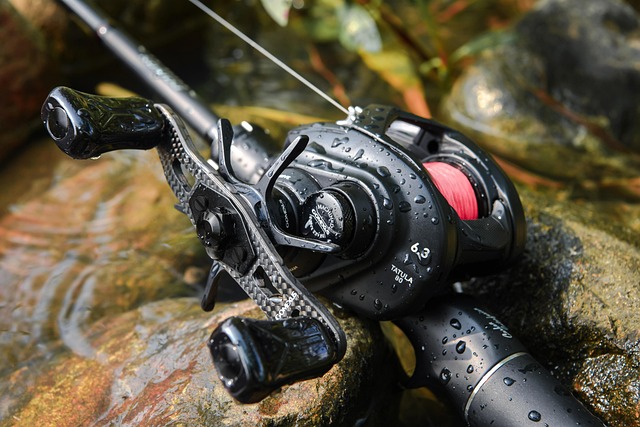
There’s something special about standing by the water just as the sun rises, waiting for that first bite. Every angler in India knows that feelingthe mix of patience, excitement, and pure focus. But what many don’t realize at the beginning is how much your gear matters, especially your fishing reel.
A fishing reel is not just a tool that holds line. It controls how smoothly a cast travels, how accurately it lands, and how much control is available when a fish starts pulling hard. Among different options, baitcasting reels have become increasingly popular because of their precision and strength, especially in varied Indian fishing conditions like rivers, backwaters, and reservoirs.
Still, choosing the right reel is not always simple. Size, balance, and purpose all play a role in how effective it becomes on the water. Understanding these differences makes it easier to see why certain setups work better in specific situationsand that is where the details start to matter.
How a Fishing Reel Actually Works
A fishing reel operates by storing and releasing fishing line through a rotating spool. In baitcasting reels, the spool rotates directly during casting, giving better control over distance and placement.
Three main elements affect performance:
Spool size, which decides line capacity and casting behavior
Drag system, which controls resistance when a fish pulls
Braking system, which helps manage spool speed during casting
When these parts are balanced properly, casting becomes smoother and fish control becomes more predictable.
Why Reel Size Matters in Indian Fishing Conditions
Fishing environments in India are extremely diverse. Calm village ponds, dense backwaters, flowing rivers, and large reservoirs all demand different approaches.
A smaller reel may feel comfortable but lack power for stronger fish. A larger reel may offer strength but reduce comfort during long fishing sessions. This is why baitcasting reels are designed in different sizesto match real fishing conditions instead of a one-size-fits-all approach.
Compact Reels (5070): Precision for Tight Spaces
Compact reels are designed for light and accurate fishing. These work best in small water bodies where precision matters more than power.
They are commonly used for:
Pond fishing
Canal fishing
Small lake environments
Key advantages include lightweight handling, easy control, and smooth casting with light lures. This size is often preferred by beginners because it feels simple and less tiring during long sessions.
Medium Reels (100150): The Most Practical Choice
Medium-sized reels are widely used across India because they fit most fishing conditions. This category offers a good balance between control and strength.
They perform well in:
Rivers
Reservoirs
Backwaters
This size supports a variety of lure types and fish species. It provides enough power for moderate fish while still being easy to handle. For many anglers, this becomes the most dependable everyday setup.
Larger Reels (200300): Built for Strong Conditions
Larger reels are designed for situations where fish are stronger and environments are more demanding.
They are useful in:
Heavy vegetation areas
Strong river currents
Targeting aggressive fish species
These reels offer higher drag strength and better line capacity. This helps maintain control when fish make sudden powerful runs, which is common in many Indian freshwater species.
Extra-Large Reels (300+): Specialized Performance
Extra-large reels are used in specific fishing scenarios rather than regular use. They are mostly suited for experienced anglers.
Common applications include:
Saltwater fishing
Deep water fishing
Targeting large fish species
These reels are powerful but heavier, making them less suitable for everyday inland fishing.
Modern Improvements in 2026 Fishing Reels
Fishing reels have improved significantly in recent years. New designs focus on making fishing easier and more efficient for all skill levels.
Key improvements include:
Better braking systems to reduce line tangling
Lighter materials for longer comfort
Smoother drag systems for better fish control
Improved spool balance for longer casting distance
These updates make modern baitcasting reels more user-friendly, even for beginners who are still learning casting techniques.
Common Mistakes Anglers Make
Many fishing problems come from simple mistakes rather than equipment failure.
Some common issues include:
Choosing reel size without considering fishing location
Ignoring rod and reel balance
Poor adjustment of braking systems
Lack of regular maintenance
Avoiding these mistakes improves both performance and gear life significantly.
How to Choose the Right Setup
Choosing the right reel depends on practical conditions rather than preference alone.
Key points to consider:
Type of water body
Target fish size
Lure weight used
Fishing frequency
Once these factors are clear, selecting the right reel size becomes much easier and more logical.
Simple Habits That Improve Performance
Good equipment performs better with proper handling. Small habits can make a noticeable difference.
Helpful practices include:
Practicing casting in open spaces
Cleaning reels after every fishing trip
Checking drag and braking settings regularly
Using appropriate fishing line for reel size
These steps help maintain smooth performance over time.
Understanding Fish Behavior and Reel Performance Connection
One important factor many anglers overlook is how fish behavior directly interacts with fishing reel performance. A reel is not only about castingit also influences control when a fish reacts, runs, or changes direction underwater.
In Indian waters, fish behavior changes based on temperature, water clarity, and time of day. During early mornings or late evenings, fish often move closer to the surface and strike more aggressively. In such situations, baitcasting reels help maintain quicker response and better hook-setting accuracy.
When fish stay deeper and move slowly, smooth drag control becomes more important. A well-balanced fishing reel helps maintain steady pressure without sudden line breaks, especially when targeting stronger species commonly found in rivers and reservoirs.
Reaction timing also plays a major role. When a fish strikes suddenly, the reel must respond instantly without delay or backlash. Properly tuned braking systems in baitcasting reels help control spool speed while still allowing natural lure movement, improving hook-up chances.
Line selection is equally important. Thicker lines offer strength but reduce casting distance, while thinner lines improve casting but require better drag control. Matching line type with the right fishing reel size ensures smoother handling and fewer losses during fights.
Understanding this connection between fish behavior and reel performance helps improve decision-making on the water. Fishing becomes less about guesswork and more about timing, awareness, and control.
Final Thoughts
Fishing becomes more enjoyable when the gear feels natural and responsive. A well-matched fishing reel improves control, reduces frustration, and increases the chances of a successful catch.
Baitcasting reels offer precision and strength, but their real value depends on choosing the right size for the right situation. Once that understanding develops, fishing feels less like guesswork and more like skill.
With the right setup and steady practice, every fishing trip becomes more controlled, more consistent, and far more satisfying.
A fishing reel is not just a tool that holds line. It controls how smoothly a cast travels, how accurately it lands, and how much control is available when a fish starts pulling hard. Among different options, baitcasting reels have become increasingly popular because of their precision and strength, especially in varied Indian fishing conditions like rivers, backwaters, and reservoirs.
Still, choosing the right reel is not always simple. Size, balance, and purpose all play a role in how effective it becomes on the water. Understanding these differences makes it easier to see why certain setups work better in specific situationsand that is where the details start to matter.
How a Fishing Reel Actually Works
A fishing reel operates by storing and releasing fishing line through a rotating spool. In baitcasting reels, the spool rotates directly during casting, giving better control over distance and placement.
Three main elements affect performance:
Spool size, which decides line capacity and casting behavior
Drag system, which controls resistance when a fish pulls
Braking system, which helps manage spool speed during casting
When these parts are balanced properly, casting becomes smoother and fish control becomes more predictable.
Why Reel Size Matters in Indian Fishing Conditions
Fishing environments in India are extremely diverse. Calm village ponds, dense backwaters, flowing rivers, and large reservoirs all demand different approaches.
A smaller reel may feel comfortable but lack power for stronger fish. A larger reel may offer strength but reduce comfort during long fishing sessions. This is why baitcasting reels are designed in different sizesto match real fishing conditions instead of a one-size-fits-all approach.
Compact Reels (5070): Precision for Tight Spaces
Compact reels are designed for light and accurate fishing. These work best in small water bodies where precision matters more than power.
They are commonly used for:
Pond fishing
Canal fishing
Small lake environments
Key advantages include lightweight handling, easy control, and smooth casting with light lures. This size is often preferred by beginners because it feels simple and less tiring during long sessions.
Medium Reels (100150): The Most Practical Choice
Medium-sized reels are widely used across India because they fit most fishing conditions. This category offers a good balance between control and strength.
They perform well in:
Rivers
Reservoirs
Backwaters
This size supports a variety of lure types and fish species. It provides enough power for moderate fish while still being easy to handle. For many anglers, this becomes the most dependable everyday setup.
Larger Reels (200300): Built for Strong Conditions
Larger reels are designed for situations where fish are stronger and environments are more demanding.
They are useful in:
Heavy vegetation areas
Strong river currents
Targeting aggressive fish species
These reels offer higher drag strength and better line capacity. This helps maintain control when fish make sudden powerful runs, which is common in many Indian freshwater species.
Extra-Large Reels (300+): Specialized Performance
Extra-large reels are used in specific fishing scenarios rather than regular use. They are mostly suited for experienced anglers.
Common applications include:
Saltwater fishing
Deep water fishing
Targeting large fish species
These reels are powerful but heavier, making them less suitable for everyday inland fishing.
Modern Improvements in 2026 Fishing Reels
Fishing reels have improved significantly in recent years. New designs focus on making fishing easier and more efficient for all skill levels.
Key improvements include:
Better braking systems to reduce line tangling
Lighter materials for longer comfort
Smoother drag systems for better fish control
Improved spool balance for longer casting distance
These updates make modern baitcasting reels more user-friendly, even for beginners who are still learning casting techniques.
Common Mistakes Anglers Make
Many fishing problems come from simple mistakes rather than equipment failure.
Some common issues include:
Choosing reel size without considering fishing location
Ignoring rod and reel balance
Poor adjustment of braking systems
Lack of regular maintenance
Avoiding these mistakes improves both performance and gear life significantly.
How to Choose the Right Setup
Choosing the right reel depends on practical conditions rather than preference alone.
Key points to consider:
Type of water body
Target fish size
Lure weight used
Fishing frequency
Once these factors are clear, selecting the right reel size becomes much easier and more logical.
Simple Habits That Improve Performance
Good equipment performs better with proper handling. Small habits can make a noticeable difference.
Helpful practices include:
Practicing casting in open spaces
Cleaning reels after every fishing trip
Checking drag and braking settings regularly
Using appropriate fishing line for reel size
These steps help maintain smooth performance over time.
Understanding Fish Behavior and Reel Performance Connection
One important factor many anglers overlook is how fish behavior directly interacts with fishing reel performance. A reel is not only about castingit also influences control when a fish reacts, runs, or changes direction underwater.
In Indian waters, fish behavior changes based on temperature, water clarity, and time of day. During early mornings or late evenings, fish often move closer to the surface and strike more aggressively. In such situations, baitcasting reels help maintain quicker response and better hook-setting accuracy.
When fish stay deeper and move slowly, smooth drag control becomes more important. A well-balanced fishing reel helps maintain steady pressure without sudden line breaks, especially when targeting stronger species commonly found in rivers and reservoirs.
Reaction timing also plays a major role. When a fish strikes suddenly, the reel must respond instantly without delay or backlash. Properly tuned braking systems in baitcasting reels help control spool speed while still allowing natural lure movement, improving hook-up chances.
Line selection is equally important. Thicker lines offer strength but reduce casting distance, while thinner lines improve casting but require better drag control. Matching line type with the right fishing reel size ensures smoother handling and fewer losses during fights.
Understanding this connection between fish behavior and reel performance helps improve decision-making on the water. Fishing becomes less about guesswork and more about timing, awareness, and control.
Final Thoughts
Fishing becomes more enjoyable when the gear feels natural and responsive. A well-matched fishing reel improves control, reduces frustration, and increases the chances of a successful catch.
Baitcasting reels offer precision and strength, but their real value depends on choosing the right size for the right situation. Once that understanding develops, fishing feels less like guesswork and more like skill.
With the right setup and steady practice, every fishing trip becomes more controlled, more consistent, and far more satisfying.
