
Monofilament Lines vs Braided vs Fluorocarbon: Which Fishing Line is Best for Indian Anglers?Fishing Equipment & Supplies CommercialUpdated on Jan 22, 2026 View more like this | Visit India, UN | Contact niya jose |
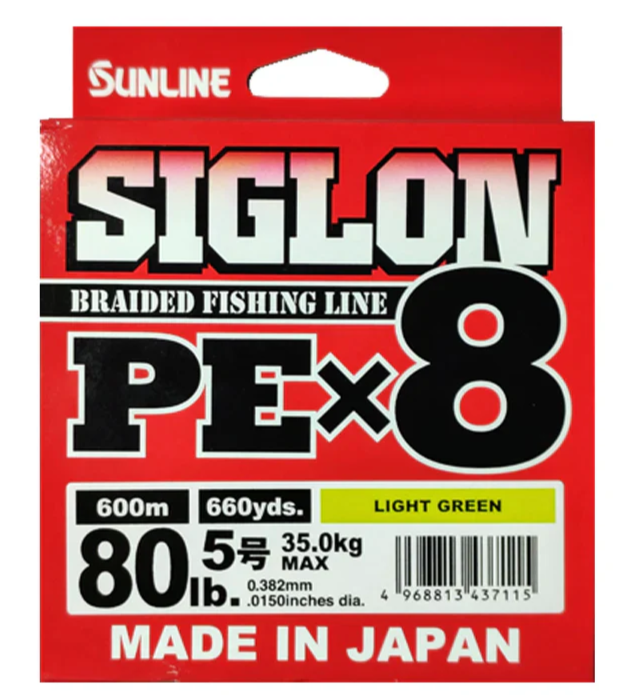
Choosing the right fishing line is one of the most important decisions an angler can make, especially when targeting specific species like snakehead, barramundi, or catfish in India. With so many types of lines availablemonofilament lines, braided, and fluorocarbonit’s easy to get confused. This guide breaks down each type, their best uses, and which one is ideal for different fishing conditions across Indian rivers, lakes, and coastal waters.
The Basics: What is a Fishing Line?
A fishing line is the critical connection between you and the fish. It not only delivers the bait or lure to the target zone but also absorbs shock, transmits bites, and helps land your catch. The three main types of lines available to anglers in India are:
Monofilament Lines
Braided Lines
Fluorocarbon Lines
Each has unique properties that make them suitable for different techniques, species, and water conditions.
Monofilament Lines: The Classic All-Rounder
Monofilament lines are made from a single strand of nylon. They're soft, stretchy, and have been the go-to choice for beginners and seasoned anglers for decades.
Pros:
Affordable and widely available
Easy to tie knots with
Good shock absorption
Floats (ideal for topwater fishing)
Less visible in water than braid
Cons:
Higher memory (can coil on the spool)
Weaker diameter-for-diameter than braid
Breaks down over time due to sunlight (UV)
Best For:
Beginners
Topwater fishing (frogs, poppers)
Snakehead and catfish in ponds, lakes
Popular Options in India:
Sunline Monofilament
Daiwa Monoline
Lucana Mono Fishing Line
Braided Lines: Strength and Sensitivity
Braided fishing lines are made by weaving several fibers together, usually Dyneema or Spectra. These are extremely thin and strong with no stretch.
Pros:
Excellent strength-to-diameter ratio
Super sensitive (feel every nibble)
Casts long distances
Durable and long-lasting
Cons:
Highly visible in clear water
Harder to tie knots (needs special knots)
No stretch (can pull hooks from soft-mouthed fish)
Can cut into rod guides or spool if not designed for braid
Best For:
Heavy cover fishing (snakehead in weeds)
Deep water jigging (barramundi, snapper)
Saltwater fishing (seawalls, rocks)
Popular Options in India:
PowerPro Braid
Sunline Basic PE
Berkley FireLine
Fluorocarbon Lines: Invisible and Tough
Fluorocarbon lines are made from polyvinylidene fluoride. They’re denser than mono and practically invisible underwater, making them perfect for finesse presentations.
Pros:
Nearly invisible in water
Abrasion resistant (great around rocks, structure)
Sinks quickly (ideal for jigs, bottom fishing)
UV and water-resistant (lasts longer)
Cons:
Expensive compared to mono
Stiffer (can affect casting distance)
Less knot strength unless tied properly
Best For:
Clear water fishing (reservoirs, mountain lakes)
Leader material for braid setups
Spinning or baitcasting setups for sensitive bites
Popular Options in India:
Seaguar Fluorocarbon
Asari Fluoro Leader
Sasame Fluoro Lines
Best Line Types by Indian Fish Species
Snakehead (Murrel)
Best Line: Braid (2030 lb) with mono or fluoro leader
Why: Pulls from weeds, surface strikes
Barramundi
Best Line: Braid with fluorocarbon leader
Why: Abrasive environments, need strength & stealth
Seer Fish (Saltwater)
Best Line: Heavy braid (4060 lb)
Why: Fast, aggressive, need long casting
Catfish
Best Line: Monofilament (2030 lb)
Why: Strong, stretch helps during fight
Rohu & Tilapia
Best Line: Fluorocarbon or light mono (410 lb)
Why: Light bites, clear water
How to Choose the Right Line for You
Ask yourself the following:
Where are you fishing? (Freshwater, saltwater, rocky, weedy)
What are you targeting? (Size and species)
What technique are you using? (Surface, jigging, trolling)
What’s your budget? (Mono is cheap, fluorocarbon is premium)
Where to Buy Fishing Lines in India?
You can find high-quality fishing line options on Fishingmonk, including:
Monofilament Lines for all-around use
Braided Lines for power and control
Fluorocarbon Lines for finesse fishing
Each product is handpicked for Indian conditions and tested by experienced anglers.
Final Thoughts
When it comes to choosing the perfect fishing line, there is no one-size-fits-all answer. Monofilament lines offer affordability and ease, braided lines provide strength and sensitivity, while fluorocarbon lines excel in stealth and abrasion resistance. Indian anglers must consider species, terrain, and technique before spooling up.
Mixing line typeslike braid with a fluorocarbon leaderis often the smartest way to get the best of both worlds. So take the time to understand your needs, and let your line work as hard as you do on the water.
The Basics: What is a Fishing Line?
A fishing line is the critical connection between you and the fish. It not only delivers the bait or lure to the target zone but also absorbs shock, transmits bites, and helps land your catch. The three main types of lines available to anglers in India are:
Monofilament Lines
Braided Lines
Fluorocarbon Lines
Each has unique properties that make them suitable for different techniques, species, and water conditions.
Monofilament Lines: The Classic All-Rounder
Monofilament lines are made from a single strand of nylon. They're soft, stretchy, and have been the go-to choice for beginners and seasoned anglers for decades.
Pros:
Affordable and widely available
Easy to tie knots with
Good shock absorption
Floats (ideal for topwater fishing)
Less visible in water than braid
Cons:
Higher memory (can coil on the spool)
Weaker diameter-for-diameter than braid
Breaks down over time due to sunlight (UV)
Best For:
Beginners
Topwater fishing (frogs, poppers)
Snakehead and catfish in ponds, lakes
Popular Options in India:
Sunline Monofilament
Daiwa Monoline
Lucana Mono Fishing Line
Braided Lines: Strength and Sensitivity
Braided fishing lines are made by weaving several fibers together, usually Dyneema or Spectra. These are extremely thin and strong with no stretch.
Pros:
Excellent strength-to-diameter ratio
Super sensitive (feel every nibble)
Casts long distances
Durable and long-lasting
Cons:
Highly visible in clear water
Harder to tie knots (needs special knots)
No stretch (can pull hooks from soft-mouthed fish)
Can cut into rod guides or spool if not designed for braid
Best For:
Heavy cover fishing (snakehead in weeds)
Deep water jigging (barramundi, snapper)
Saltwater fishing (seawalls, rocks)
Popular Options in India:
PowerPro Braid
Sunline Basic PE
Berkley FireLine
Fluorocarbon Lines: Invisible and Tough
Fluorocarbon lines are made from polyvinylidene fluoride. They’re denser than mono and practically invisible underwater, making them perfect for finesse presentations.
Pros:
Nearly invisible in water
Abrasion resistant (great around rocks, structure)
Sinks quickly (ideal for jigs, bottom fishing)
UV and water-resistant (lasts longer)
Cons:
Expensive compared to mono
Stiffer (can affect casting distance)
Less knot strength unless tied properly
Best For:
Clear water fishing (reservoirs, mountain lakes)
Leader material for braid setups
Spinning or baitcasting setups for sensitive bites
Popular Options in India:
Seaguar Fluorocarbon
Asari Fluoro Leader
Sasame Fluoro Lines
Best Line Types by Indian Fish Species
Snakehead (Murrel)
Best Line: Braid (2030 lb) with mono or fluoro leader
Why: Pulls from weeds, surface strikes
Barramundi
Best Line: Braid with fluorocarbon leader
Why: Abrasive environments, need strength & stealth
Seer Fish (Saltwater)
Best Line: Heavy braid (4060 lb)
Why: Fast, aggressive, need long casting
Catfish
Best Line: Monofilament (2030 lb)
Why: Strong, stretch helps during fight
Rohu & Tilapia
Best Line: Fluorocarbon or light mono (410 lb)
Why: Light bites, clear water
How to Choose the Right Line for You
Ask yourself the following:
Where are you fishing? (Freshwater, saltwater, rocky, weedy)
What are you targeting? (Size and species)
What technique are you using? (Surface, jigging, trolling)
What’s your budget? (Mono is cheap, fluorocarbon is premium)
Where to Buy Fishing Lines in India?
You can find high-quality fishing line options on Fishingmonk, including:
Monofilament Lines for all-around use
Braided Lines for power and control
Fluorocarbon Lines for finesse fishing
Each product is handpicked for Indian conditions and tested by experienced anglers.
Final Thoughts
When it comes to choosing the perfect fishing line, there is no one-size-fits-all answer. Monofilament lines offer affordability and ease, braided lines provide strength and sensitivity, while fluorocarbon lines excel in stealth and abrasion resistance. Indian anglers must consider species, terrain, and technique before spooling up.
Mixing line typeslike braid with a fluorocarbon leaderis often the smartest way to get the best of both worlds. So take the time to understand your needs, and let your line work as hard as you do on the water.
