
How Line Stretch Matters When Choosing a Fishing Line: Understanding LB in Monofilament LinesFishing Equipment & Supplies CommercialUpdated on Aug 14, 2026 View more like this | Visit India, UN | Contact niya jose |
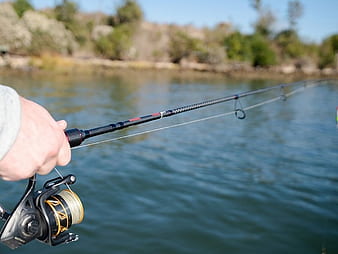
A quiet fishing trip can change in an instant when a fish takes the bait and starts running. In those few seconds, your fishing line becomes one of the most important parts of your tackle, carrying the pressure between you and the fish while working with your rod, reel, and drag.
Not every line responds to that pressure in the same way. Monofilament lines, for example, have a noticeable amount of stretch that can help absorb sudden movements during a fight. But stretch is only one part of the equation. The LB rating printed on the spool also tells you something important about the line's strength and how it may suit your fishing setup.
So, what does the LB number actually mean, and how does it relate to line stretch? Understanding these two characteristics can help anglers choose a fishing line more confidently instead of simply picking the strongest option available.
What Does LB Mean on a Fishing Line?
When you look at a spool of a fishing line, you will usually see a number followed by lb. This refers to the line's pound-test rating. In simple terms, the rating indicates the approximate amount of pulling force the line is designed to withstand under the manufacturer's test conditions.
For example, a 10 lb line is generally tested to withstand approximately 10 pounds of force under specific conditions. However, anglers should not interpret this as meaning that a 10-pound fish can always be landed safely on a 10 lb line.
A fish does not pull in a perfectly controlled manner. It may make sudden runs, change direction, rub the line against a rough surface, or create additional pressure through the tackle. Knots and line conditions can also influence the actual strength of the connection.
This is why the LB rating should be treated as a useful guide rather than a guarantee of how much weight the line can handle in every fishing situation.
Why Does Line Stretch Matter?
Stretch is one of the most noticeable characteristics of monofilament. When pressure is applied, the line can elongate rather than remaining completely rigid.
This can be helpful when a fish suddenly accelerates. Instead of transferring every movement directly through the line, some of that force is absorbed as the line stretches. This can provide a little extra forgiveness during a fight.
For anglers using hooks that need to remain securely in place, this cushioning effect can be useful. It may help reduce the impact of sudden movements, particularly when the fish makes an unexpected run.
However, stretching also has limitations. When a lure or bait is far away, some of the movement from the rod may be absorbed by the line. This can make subtle bites more difficult to feel and may require a more deliberate hookset.
Therefore, line stretch is neither simply good nor bad. Its value depends on the type of fishing and the situation in which the line is being used.
How LB Rating and Stretch Work Together
The LB rating and stretch describe different characteristics, but both can influence how a line performs.
The LB rating gives anglers an idea of the line's tested strength, while stretch describes how the line responds when pressure is applied. A line with a suitable strength rating may still behave differently depending on its material, diameter, construction, and other characteristics.
Imagine an angler fishing in relatively open water for a moderate-sized fish. A suitable monofilament line can provide enough strength while its stretch offers some forgiveness when the fish makes sudden movements.
Now consider fishing around sharp rocks or heavy underwater cover. In that situation, the line may experience abrasion in addition to pulling pressure. Simply selecting a line based on its LB rating may not be enough. The angler also needs to consider the environment and the possibility of the line contacting obstacles.
Is a Higher LB Rating Always Better?
It can be tempting to choose the strongest line available because it appears to offer greater security. However, more strength is not automatically better for every fishing situation.
A heavier line may have a larger diameter, which can affect casting, handling, and how naturally bait or lures move through the water. It can also take up more room on a reel.
On the other hand, choosing a line that is too light for the conditions can create unnecessary problems. A powerful fish, strong current, submerged structure, or abrasive cover may place more stress on the line than expected.
The better approach is to select a strength that matches the target species, fishing environment, tackle, and technique.
Understanding Line Diameter
LB rating is only one specification to check when comparing fishing line. Diameter is another important factor.
Line diameter refers to how thick the line is. Thicker line generally takes up more space on a spool and can behave differently during casting. It may also be more noticeable in clear water.
A thinner line can offer different handling and casting characteristics, but anglers should not assume that thinner always means better. The right diameter depends on what you are trying to achieve and the conditions in which you are fishing.
When comparing monofilament lines, checking both the LB rating and diameter can give you a more complete understanding of what you are buying.
Why Monofilament Has Stretch
Monofilament is produced as a single strand of synthetic material. One of its familiar characteristics is its ability to stretch when subjected to pressure.
The amount of stretch can vary between products and conditions. Line diameter, temperature, the amount of line outside the rod tip, and the force applied to the line can all affect how it behaves.
This stretch can act as a buffer during a fish fight. If a fish suddenly changes direction or makes a short, powerful run, the line can give slightly rather than responding like a completely rigid connection.
For some fishing techniques, this can be an advantage. For others, anglers may prefer a more direct connection with the lure. The important point is to understand how the line behaves and decide whether that characteristic suits your particular style of fishing.
Choosing the Right LB Rating
There is no universal LB rating that works for every angler. The right choice begins with the fish you are targeting.
Small species in open water may require considerably less line strength than larger fish capable of making powerful runs. The fishing environment also matters. If you are fishing around rocks, branches, weeds, docks, or other structures, the line may need to deal with additional abrasion and sudden changes in pressure.
Your tackle should also be considered as a complete system. The rod, reel, drag, hook, lure, and line all work together. Selecting an unusually heavy line simply because it has a high LB rating may not produce the best-balanced setup.
It is better to consider the entire situation before deciding which line strength makes sense.
How Knots Affect Line Strength
A fishing line's stated LB rating does not mean every knot will retain exactly the same strength. The connection between the line and hook, lure, swivel, or other terminal tackle can become a potential weak point.
A poorly tied knot may slip or weaken the line. Friction created while tying a knot can also affect the material if the knot is formed incorrectly.
Learning a reliable knot and tying it carefully is therefore just as important as choosing an appropriate LB rating. Before fishing, check that the knot is properly seated and that there are no obvious signs of damage around the connection.
Line Condition Matters Too
Even a properly selected fishing line can become weaker through use. Monofilament may encounter rocks, branches, vegetation, fish teeth, boat edges, or other abrasive surfaces.
Sunlight and prolonged storage can also contribute to deterioration over time. For this reason, anglers should not assume that an old spool of line will perform exactly like a new one simply because both have the same LB rating.
Before a fishing trip, inspect the line for rough sections, nicks, unusual stiffness, discoloration, or other signs of wear. If a section looks damaged, replacing it can prevent an avoidable line failure.
When Is Stretch Helpful?
Stretch can be particularly useful when an angler needs some forgiveness during sudden changes in pressure.
For example, a fish may strike aggressively and immediately turn away. With some stretch in the system, the initial shock can be softened. This can be useful when the angler is dealing with sudden movements rather than a steady pull.
Stretch can also complement a rod with a softer action. The rod, line, and drag can work together to absorb changes in pressure rather than placing all the load on a single component.
However, anglers who rely on detecting delicate bites or need very direct lure control may find that excessive stretch is less desirable. This is why choosing line should always begin with the fishing technique rather than with a simple preference for maximum strength.
Common Mistakes When Choosing Monofilament Lines
One common mistake is selecting a line solely because it has the highest LB rating. Strength is important, but it does not tell the whole story.
Another mistake is ignoring diameter. Two lines with similar strength ratings may have different physical characteristics, so checking the manufacturer's specifications is useful.
Some anglers also forget to consider the environment. A line that works well in open water may not be the best choice around sharp structure.
Finally, anglers sometimes continue using line after it has developed visible damage. Regular inspection is a simple habit that can help avoid unnecessary failures.
5 FAQs About Fishing Line LB Ratings and Stretch
1. What does the LB rating on a fishing line mean?
The LB rating refers to the line's pound-test rating. It indicates the approximate amount of pulling force the line is designed to withstand under specified testing conditions. Actual performance can vary depending on knots, abrasion, line condition, and fishing conditions.
2. Do monofilament lines stretch more than some other fishing lines?
Monofilament is known for having noticeable stretch. The amount can vary depending on the particular product and fishing conditions. This stretch can provide some cushioning during sudden movements but may reduce direct sensitivity at longer distances.
3. Should I always choose the highest LB fishing line?
No. The strongest line is not necessarily the best choice for every situation. Consider your target fish, fishing environment, tackle, technique, line diameter, and the amount of abrasion the line may encounter.
4. Does line stretch make it harder to detect bites?
It can. When there is a greater amount of line between the angler and the bait or lure, stretch can absorb some movement. This may make subtle bites less obvious, particularly at longer distances.
5. How often should I replace monofilament lines?
There is no single replacement schedule that applies to every angler. Inspect the line regularly and pay attention to its condition. If you notice nicks, rough areas, unusual stiffness, significant wear, or other damage, replacing the affected line is a sensible choice.
Final Thoughts
Choosing a fishing line becomes easier when you understand what the numbers and characteristics on the spool actually mean. The LB rating provides information about tested line strength, while stretch explains how the line responds when pressure is placed on it.
For many anglers, monofilament lines offer a useful combination of flexibility, manageable handling, strength, and stretch. Their ability to give under pressure can provide valuable forgiveness during a fish fight, while their different strength options allow anglers to choose a setup suited to their target and surroundings.
Instead of automatically choosing the strongest line available, look at the complete picture. Consider the fish, water, structure, tackle, fishing method, line diameter, and condition of the line. When these factors are matched properly, your line can work more effectively as part of the entire tackle system.
