
Fishing Reel Not Casting Far Enough? Common Mistakes and Fixes for Baitcaster Fishing ReelsFishing Equipment & Supplies CommercialUpdated on Jun 10, 2026 View more like this | Visit India, UN | Contact niya jose |
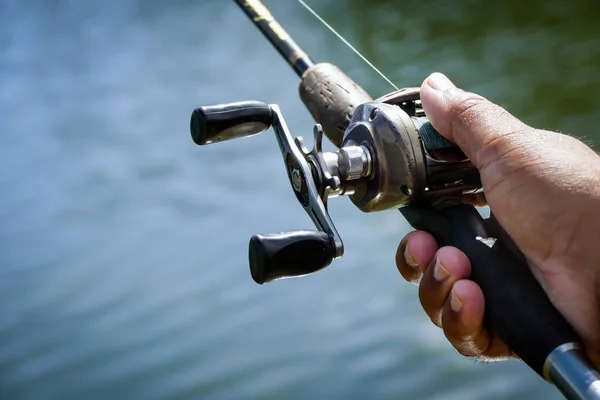
A long cast can often make the difference between reaching active fish and missing productive fishing spots altogether. When a fishing reel is not casting as far as expected, it can quickly become frustrating, especially when other anglers seem to be covering more water with ease.
Many anglers assume that poor casting distance means their equipment needs replacing, but that is rarely the case. In most situations, a combination of setup errors, maintenance issues, and casting habits affects performance. Small details such as line condition, spool adjustments, and lure selection can have a surprisingly large impact on casting distance.
This challenge is especially common among anglers using baitcaster fishing reels. These reels offer excellent control and accuracy, but they also require proper adjustment to perform at their best. Understanding the reasons behind poor casting distance can help anglers make simple corrections and enjoy a smoother fishing experience.
Understanding Why Casting Distance Matters
Casting distance is not just about reaching farther water. A longer and more controlled cast allows anglers to cover larger areas, present lures naturally, and access fish that may be holding beyond the shoreline.
When a fishing reel performs efficiently, anglers can spend more time fishing and less time struggling with equipment issues. Whether fishing in lakes, rivers, reservoirs, or coastal waters, maximizing casting performance often leads to more opportunities to locate active fish.
Common Mistake #1: Using the Wrong Fishing Line
One of the most overlooked causes of reduced casting distance is fishing line selection. Line that is too thick creates additional resistance as it leaves the spool. This friction slows the cast and prevents the lure from reaching its maximum distance.
Old or damaged line can also affect performance. Over time, fishing line may develop memory, twists, or rough spots that reduce casting efficiency. Regularly inspecting and replacing worn line can help maintain consistent performance from your fishing reel.
Common Mistake #2: Incorrect Spool Tension Adjustment
Spool tension plays a major role in the performance of baitcaster fishing reels.Many beginners tend to over-tighten the spool to prevent backlash. While this can reduce tangles, it often comes at the cost of reduced casting distance.
When the spool is too tight, it cannot rotate freely during the cast. As a result, the lure loses momentum before reaching its full range. Making small adjustments and finding the right balance between control and freedom can significantly improve performance.
Common Mistake #3: Brakes Set Too High
Modern baitcaster fishing reels feature braking systems designed to control spool speed. These systems help reduce overruns and improve casting control, especially for beginners.
However, keeping the brakes set at their highest level can restrict spool movement. Excessive braking reduces the speed at which line leaves the spool, ultimately limiting casting distance. As anglers gain confidence, fine-tuning brake settings can help unlock better performance while maintaining control.
Common Mistake #4: Overfilled or Underfilled Spools
The amount of line on the spool has a direct effect on casting distance. An overfilled spool increases the chance of tangles and backlash. On the other hand, an underfilled spool reduces the amount of line released with each rotation.
A properly loaded fishing reel allows line to flow smoothly during the cast. Maintaining the correct spool level is a simple but effective way to improve casting consistency.
Common Mistake #5: Using the Wrong Lure Weight
Not every lure works equally well with every setup. Lightweight lures may not generate enough momentum to load the rod properly, while overly heavy lures can affect casting control.
Many anglers using baitcaster reels notice better performance when they keep within the recommended lure weight range for their rod and reel setup. Matching equipment correctly helps maximize both distance and accuracy.
Common Mistake #6: Poor Casting Technique
Equipment matters, but technique matters just as much. A common misconception is that casting harder automatically results in greater distance.
In reality, smooth and controlled casting often produces better results. Allowing the rod to load naturally and transfer energy into the lure creates a more efficient cast. Practicing proper technique can improve performance without requiring any equipment upgrades.
Common Mistake #7: Lack of Reel Maintenance
Like any piece of fishing equipment, a fishing reel requires regular care. Dirt, dust, moisture, and debris can accumulate over time and create unnecessary friction within the reel.
When internal components become dirty, spool rotation may become less efficient. Routine cleaning and maintenance help keep the reel operating smoothly and support consistent casting performance throughout the fishing season.
Common Mistake #8: Ignoring Environmental Conditions
Weather and water conditions can influence casting distance more than many anglers realize. Strong headwinds naturally reduce how far a lure can travel, while side winds can affect accuracy.
Instead of fighting the conditions, anglers can adjust lure weight, casting angle, and positioning. Understanding environmental factors helps maximize the performance of both a fishing reel and the overall fishing setup.
How Baitcaster Fishing Reels Influence Casting Performance
One reason experienced anglers appreciate baitcaster fishing reels is their ability to provide precise control over casting adjustments. Features like spool tension and braking systems let anglers adjust performance according to lure weight and fishing conditions.
When these settings are properly adjusted, baitcasters can deliver excellent casting accuracy and impressive distance. However, incorrect settings can have the opposite effect. Learning how to fine-tune these adjustments is often the key to unlocking better casting performance.
Practical Tips to Improve Casting Distance
If your fishing reel is not casting as far as expected, consider the following tips:
Replace old or damaged fishing line.
Ensure the spool is filled correctly.
Match your lure weight to the specifications of your rod and reel setup for best performance.
Adjust spool tension carefully.
Fine-tune brake settings as your skills improve.
Practice smooth casting motions.
Clean and maintain your reel regularly.
Consider wind direction before making long casts.
These small adjustments can often produce noticeable improvements without requiring new equipment.
Final Thoughts
Achieving better casting distance is not always about buying new gear or making major changes to your setup. If your fishing reel isn’t performing as expected, the issue is often caused by small factors that can usually be corrected easily. Fishing line condition, spool adjustments, lure selection, maintenance, and casting technique all play an important role in how far and how smoothly your lure travels. Taking the time to evaluate these areas can help unlock the full potential of your equipment.
For anglers using baitcaster fishing reels, learning how to properly adjust spool tension, braking systems, and line setup can make a noticeable difference on the water. While these reels may have a learning curve, they offer excellent control and versatility when used correctly. Consistent practice, proper maintenance, and a better understanding of your equipment can help you achieve smoother casts, improved accuracy, and greater confidence during every fishing trip.
The key is to keep learning, keep practicing, and enjoy the journey. Every cast is an opportunity to become a better angler.
Many anglers assume that poor casting distance means their equipment needs replacing, but that is rarely the case. In most situations, a combination of setup errors, maintenance issues, and casting habits affects performance. Small details such as line condition, spool adjustments, and lure selection can have a surprisingly large impact on casting distance.
This challenge is especially common among anglers using baitcaster fishing reels. These reels offer excellent control and accuracy, but they also require proper adjustment to perform at their best. Understanding the reasons behind poor casting distance can help anglers make simple corrections and enjoy a smoother fishing experience.
Understanding Why Casting Distance Matters
Casting distance is not just about reaching farther water. A longer and more controlled cast allows anglers to cover larger areas, present lures naturally, and access fish that may be holding beyond the shoreline.
When a fishing reel performs efficiently, anglers can spend more time fishing and less time struggling with equipment issues. Whether fishing in lakes, rivers, reservoirs, or coastal waters, maximizing casting performance often leads to more opportunities to locate active fish.
Common Mistake #1: Using the Wrong Fishing Line
One of the most overlooked causes of reduced casting distance is fishing line selection. Line that is too thick creates additional resistance as it leaves the spool. This friction slows the cast and prevents the lure from reaching its maximum distance.
Old or damaged line can also affect performance. Over time, fishing line may develop memory, twists, or rough spots that reduce casting efficiency. Regularly inspecting and replacing worn line can help maintain consistent performance from your fishing reel.
Common Mistake #2: Incorrect Spool Tension Adjustment
Spool tension plays a major role in the performance of baitcaster fishing reels.Many beginners tend to over-tighten the spool to prevent backlash. While this can reduce tangles, it often comes at the cost of reduced casting distance.
When the spool is too tight, it cannot rotate freely during the cast. As a result, the lure loses momentum before reaching its full range. Making small adjustments and finding the right balance between control and freedom can significantly improve performance.
Common Mistake #3: Brakes Set Too High
Modern baitcaster fishing reels feature braking systems designed to control spool speed. These systems help reduce overruns and improve casting control, especially for beginners.
However, keeping the brakes set at their highest level can restrict spool movement. Excessive braking reduces the speed at which line leaves the spool, ultimately limiting casting distance. As anglers gain confidence, fine-tuning brake settings can help unlock better performance while maintaining control.
Common Mistake #4: Overfilled or Underfilled Spools
The amount of line on the spool has a direct effect on casting distance. An overfilled spool increases the chance of tangles and backlash. On the other hand, an underfilled spool reduces the amount of line released with each rotation.
A properly loaded fishing reel allows line to flow smoothly during the cast. Maintaining the correct spool level is a simple but effective way to improve casting consistency.
Common Mistake #5: Using the Wrong Lure Weight
Not every lure works equally well with every setup. Lightweight lures may not generate enough momentum to load the rod properly, while overly heavy lures can affect casting control.
Many anglers using baitcaster reels notice better performance when they keep within the recommended lure weight range for their rod and reel setup. Matching equipment correctly helps maximize both distance and accuracy.
Common Mistake #6: Poor Casting Technique
Equipment matters, but technique matters just as much. A common misconception is that casting harder automatically results in greater distance.
In reality, smooth and controlled casting often produces better results. Allowing the rod to load naturally and transfer energy into the lure creates a more efficient cast. Practicing proper technique can improve performance without requiring any equipment upgrades.
Common Mistake #7: Lack of Reel Maintenance
Like any piece of fishing equipment, a fishing reel requires regular care. Dirt, dust, moisture, and debris can accumulate over time and create unnecessary friction within the reel.
When internal components become dirty, spool rotation may become less efficient. Routine cleaning and maintenance help keep the reel operating smoothly and support consistent casting performance throughout the fishing season.
Common Mistake #8: Ignoring Environmental Conditions
Weather and water conditions can influence casting distance more than many anglers realize. Strong headwinds naturally reduce how far a lure can travel, while side winds can affect accuracy.
Instead of fighting the conditions, anglers can adjust lure weight, casting angle, and positioning. Understanding environmental factors helps maximize the performance of both a fishing reel and the overall fishing setup.
How Baitcaster Fishing Reels Influence Casting Performance
One reason experienced anglers appreciate baitcaster fishing reels is their ability to provide precise control over casting adjustments. Features like spool tension and braking systems let anglers adjust performance according to lure weight and fishing conditions.
When these settings are properly adjusted, baitcasters can deliver excellent casting accuracy and impressive distance. However, incorrect settings can have the opposite effect. Learning how to fine-tune these adjustments is often the key to unlocking better casting performance.
Practical Tips to Improve Casting Distance
If your fishing reel is not casting as far as expected, consider the following tips:
Replace old or damaged fishing line.
Ensure the spool is filled correctly.
Match your lure weight to the specifications of your rod and reel setup for best performance.
Adjust spool tension carefully.
Fine-tune brake settings as your skills improve.
Practice smooth casting motions.
Clean and maintain your reel regularly.
Consider wind direction before making long casts.
These small adjustments can often produce noticeable improvements without requiring new equipment.
Final Thoughts
Achieving better casting distance is not always about buying new gear or making major changes to your setup. If your fishing reel isn’t performing as expected, the issue is often caused by small factors that can usually be corrected easily. Fishing line condition, spool adjustments, lure selection, maintenance, and casting technique all play an important role in how far and how smoothly your lure travels. Taking the time to evaluate these areas can help unlock the full potential of your equipment.
For anglers using baitcaster fishing reels, learning how to properly adjust spool tension, braking systems, and line setup can make a noticeable difference on the water. While these reels may have a learning curve, they offer excellent control and versatility when used correctly. Consistent practice, proper maintenance, and a better understanding of your equipment can help you achieve smoother casts, improved accuracy, and greater confidence during every fishing trip.
The key is to keep learning, keep practicing, and enjoy the journey. Every cast is an opportunity to become a better angler.
