
Fishing Reel Causing Thumb Fatigue? Why Many Anglers Adjust to Modern Baitcasting Reels SlowlyFishing Equipment & Supplies CommercialUpdated on May 16, 2026 View more like this | Visit India, UN | Contact niya jose |
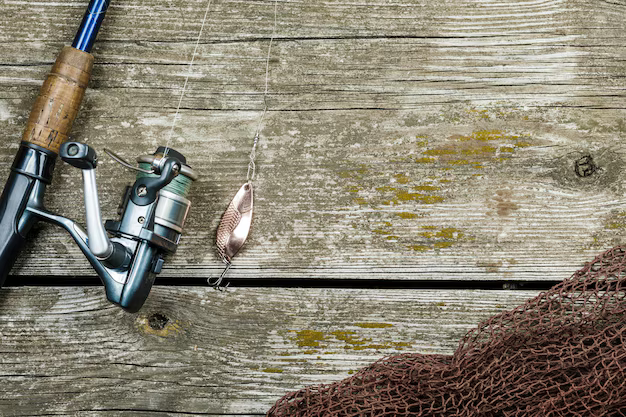
A long fishing session should feel smooth and enjoyable, but many anglers begin noticing hand discomfort after repeated casting, especially when using unfamiliar setups. A properly balanced fishing reel can improve casting comfort, reduce unnecessary thumb pressure, and help anglers maintain better control during extended hours on the water.
For many beginners and intermediate anglers, thumb fatigue becomes noticeable when learning how modern casting systems work. The repeated spool control required during lure fishing often places stress on the thumb muscles, particularly during long sessions with heavier lures or windy conditions. This is one reason why many anglers take time to gradually adjust to modern baitcasting reels instead of mastering them immediately.
Unlike traditional spinning systems, modern baitcaster fishing reels are designed to provide better casting precision, improved lure placement, and stronger line control. However, they also require better coordination between spool speed, thumb pressure, and reel settings, which creates a short learning curve for many anglers.
Why Thumb Fatigue Happens While Using a Fishing Reel
Thumb fatigue usually develops when anglers apply continuous pressure to the spool during repeated casts. A well-adjusted fishing reel can make casting feel smoother, but improper spool settings or excessive thumb force often increase muscle strain over time.
Many beginners unknowingly grip the reel too tightly because they fear backlash or line overruns. This extra tension limits natural hand movement and causes the thumb to work harder throughout the cast. Over several hours, the discomfort becomes more noticeable around the thumb joint and wrist area.
Fishing conditions can also contribute to fatigue. Casting heavier lures repeatedly or fishing against strong wind resistance forces anglers to apply additional thumb control, which increases strain during long trips.
Why Many Anglers Need Time to Adjust to Baitcasting Reels
Modern baitcasting reels are built for anglers who want better lure accuracy and stronger casting control, but these advantages also require proper setup knowledge. Many anglers initially struggle because baitcasting systems respond differently compared to spinning reels.
The adjustment process often includes:
Learning spool tension settings
Understanding brake adjustments
Matching lure weight correctly
Improving casting posture
Practicing smoother thumb control
During the early stages, some anglers feel that their setup is difficult to control. However, once reel settings are properly balanced, casting usually becomes smoother and more comfortable.
This gradual learning process explains why experienced anglers often recommend practicing slowly rather than forcing long-distance casts immediately.
How Improper Reel Settings Increase Hand Strain
Incorrect settings are one of the most common reasons anglers experience discomfort while using a fishing reel for long periods. If spool tension is too tight, anglers must apply more force during every cast. If it is too loose, the spool may spin too quickly and create backlash problems.
Most modern baitcaster fishing reels include advanced braking systems that help regulate spool speed. Magnetic and centrifugal brakes are designed to reduce spool overruns and improve casting control. Beginners who ignore these adjustments often place unnecessary pressure on their thumb while trying to manually slow the spool during casts.
A properly adjusted reel should feel controlled and balanced rather than heavy or difficult to manage.
Why Reel Balance Matters During Long Fishing Sessions
A lightweight and balanced fishing reel setup helps anglers fish more comfortably throughout the day. Many anglers focus only on reel features without considering how rod balance affects casting pressure.
An unbalanced setup may lead to:
Wrist discomfort
Faster thumb fatigue
Reduced casting accuracy
Uneven lure control
Increased arm strain
Experienced anglers often pair their reels carefully with suitable rods and lure weights to improve overall comfort. A properly balanced setup distributes pressure more evenly across the hand and forearm, reducing stress during repeated casting.
Grip Position Can Affect Casting Comfort
Many anglers overlook how grip technique affects reel comfort. Holding the reel too tightly creates unnecessary muscle tension and limits smooth thumb movement.
Anglers using baitcasting reels often improve comfort by:
Keeping the wrist relaxed
Using controlled casting motions
Avoiding sudden jerking movements
Maintaining stable finger placement
Practicing shorter casts first
Small adjustments in hand positioning can significantly reduce fatigue during long fishing sessions.
Windy Conditions Make Reel Control More Difficult
Environmental conditions also affect how comfortable a fishing reel feels during use. Strong wind resistance increases spool pressure and often causes more line management issues during casting.
As a result, anglers may apply excessive thumb force while trying to maintain control. This constant correction quickly leads to soreness, especially for beginners learning how to handle baitcaster fishing reels for the first time.
Many experienced anglers slightly increase braking resistance during windy conditions to improve spool control and reduce unnecessary thumb strain.
Practice Helps Anglers Adapt Naturally
Most anglers become comfortable with baitcasting reels through consistent practice rather than instant success. Learning smooth spool control takes time, and many experienced anglers previously struggled with backlash or thumb fatigue during their early fishing sessions.
Practicing with:
heavier lures,
shorter casting distances,
balanced rod setups,
and properly adjusted brakes
can help anglers improve control gradually without placing excessive pressure on the hand.
Over time, muscle memory improves naturally, allowing smoother and more comfortable casting.
Proper Reel Maintenance Improves Comfort
A clean and well-maintained fishing reel performs more smoothly during casting and retrieval. Dirt buildup, salt residue, or dry bearings may increase spool resistance and force anglers to apply additional thumb pressure.
Regular maintenance for baitcaster fishing reels includes:
Cleaning the spool area
Lubricating moving parts
Checking spool tension regularly
Replacing damaged fishing line
Inspecting braking components
Proper maintenance not only improves performance but also helps reduce unnecessary casting effort during long fishing trips.
Final Thoughts
Learning how to handle modern baitcasting reels comfortably requires patience, practice, and proper reel adjustments. While thumb fatigue is common during the early stages, many anglers gradually improve their comfort level once they understand spool control, braking systems, and setup balance.
A properly adjusted fishing reel can improve casting smoothness, reduce hand strain, and provide better lure control during extended fishing sessions. Over time, many anglers discover that well-balanced baitcaster fishing reels offer excellent casting precision and a more controlled fishing experience once the initial learning curve becomes familiar.
Choosing the right setup, practicing regularly, and understanding how your reel responds on the water can help make every fishing trip more comfortable, controlled, and enjoyable for the long run.
For many beginners and intermediate anglers, thumb fatigue becomes noticeable when learning how modern casting systems work. The repeated spool control required during lure fishing often places stress on the thumb muscles, particularly during long sessions with heavier lures or windy conditions. This is one reason why many anglers take time to gradually adjust to modern baitcasting reels instead of mastering them immediately.
Unlike traditional spinning systems, modern baitcaster fishing reels are designed to provide better casting precision, improved lure placement, and stronger line control. However, they also require better coordination between spool speed, thumb pressure, and reel settings, which creates a short learning curve for many anglers.
Why Thumb Fatigue Happens While Using a Fishing Reel
Thumb fatigue usually develops when anglers apply continuous pressure to the spool during repeated casts. A well-adjusted fishing reel can make casting feel smoother, but improper spool settings or excessive thumb force often increase muscle strain over time.
Many beginners unknowingly grip the reel too tightly because they fear backlash or line overruns. This extra tension limits natural hand movement and causes the thumb to work harder throughout the cast. Over several hours, the discomfort becomes more noticeable around the thumb joint and wrist area.
Fishing conditions can also contribute to fatigue. Casting heavier lures repeatedly or fishing against strong wind resistance forces anglers to apply additional thumb control, which increases strain during long trips.
Why Many Anglers Need Time to Adjust to Baitcasting Reels
Modern baitcasting reels are built for anglers who want better lure accuracy and stronger casting control, but these advantages also require proper setup knowledge. Many anglers initially struggle because baitcasting systems respond differently compared to spinning reels.
The adjustment process often includes:
Learning spool tension settings
Understanding brake adjustments
Matching lure weight correctly
Improving casting posture
Practicing smoother thumb control
During the early stages, some anglers feel that their setup is difficult to control. However, once reel settings are properly balanced, casting usually becomes smoother and more comfortable.
This gradual learning process explains why experienced anglers often recommend practicing slowly rather than forcing long-distance casts immediately.
How Improper Reel Settings Increase Hand Strain
Incorrect settings are one of the most common reasons anglers experience discomfort while using a fishing reel for long periods. If spool tension is too tight, anglers must apply more force during every cast. If it is too loose, the spool may spin too quickly and create backlash problems.
Most modern baitcaster fishing reels include advanced braking systems that help regulate spool speed. Magnetic and centrifugal brakes are designed to reduce spool overruns and improve casting control. Beginners who ignore these adjustments often place unnecessary pressure on their thumb while trying to manually slow the spool during casts.
A properly adjusted reel should feel controlled and balanced rather than heavy or difficult to manage.
Why Reel Balance Matters During Long Fishing Sessions
A lightweight and balanced fishing reel setup helps anglers fish more comfortably throughout the day. Many anglers focus only on reel features without considering how rod balance affects casting pressure.
An unbalanced setup may lead to:
Wrist discomfort
Faster thumb fatigue
Reduced casting accuracy
Uneven lure control
Increased arm strain
Experienced anglers often pair their reels carefully with suitable rods and lure weights to improve overall comfort. A properly balanced setup distributes pressure more evenly across the hand and forearm, reducing stress during repeated casting.
Grip Position Can Affect Casting Comfort
Many anglers overlook how grip technique affects reel comfort. Holding the reel too tightly creates unnecessary muscle tension and limits smooth thumb movement.
Anglers using baitcasting reels often improve comfort by:
Keeping the wrist relaxed
Using controlled casting motions
Avoiding sudden jerking movements
Maintaining stable finger placement
Practicing shorter casts first
Small adjustments in hand positioning can significantly reduce fatigue during long fishing sessions.
Windy Conditions Make Reel Control More Difficult
Environmental conditions also affect how comfortable a fishing reel feels during use. Strong wind resistance increases spool pressure and often causes more line management issues during casting.
As a result, anglers may apply excessive thumb force while trying to maintain control. This constant correction quickly leads to soreness, especially for beginners learning how to handle baitcaster fishing reels for the first time.
Many experienced anglers slightly increase braking resistance during windy conditions to improve spool control and reduce unnecessary thumb strain.
Practice Helps Anglers Adapt Naturally
Most anglers become comfortable with baitcasting reels through consistent practice rather than instant success. Learning smooth spool control takes time, and many experienced anglers previously struggled with backlash or thumb fatigue during their early fishing sessions.
Practicing with:
heavier lures,
shorter casting distances,
balanced rod setups,
and properly adjusted brakes
can help anglers improve control gradually without placing excessive pressure on the hand.
Over time, muscle memory improves naturally, allowing smoother and more comfortable casting.
Proper Reel Maintenance Improves Comfort
A clean and well-maintained fishing reel performs more smoothly during casting and retrieval. Dirt buildup, salt residue, or dry bearings may increase spool resistance and force anglers to apply additional thumb pressure.
Regular maintenance for baitcaster fishing reels includes:
Cleaning the spool area
Lubricating moving parts
Checking spool tension regularly
Replacing damaged fishing line
Inspecting braking components
Proper maintenance not only improves performance but also helps reduce unnecessary casting effort during long fishing trips.
Final Thoughts
Learning how to handle modern baitcasting reels comfortably requires patience, practice, and proper reel adjustments. While thumb fatigue is common during the early stages, many anglers gradually improve their comfort level once they understand spool control, braking systems, and setup balance.
A properly adjusted fishing reel can improve casting smoothness, reduce hand strain, and provide better lure control during extended fishing sessions. Over time, many anglers discover that well-balanced baitcaster fishing reels offer excellent casting precision and a more controlled fishing experience once the initial learning curve becomes familiar.
Choosing the right setup, practicing regularly, and understanding how your reel responds on the water can help make every fishing trip more comfortable, controlled, and enjoyable for the long run.
