
BEST TEXTILE ENZYMESEnzymesUpdated on May 9, 2019 View more like this | Visit India, UN | Contact Neena Singh |
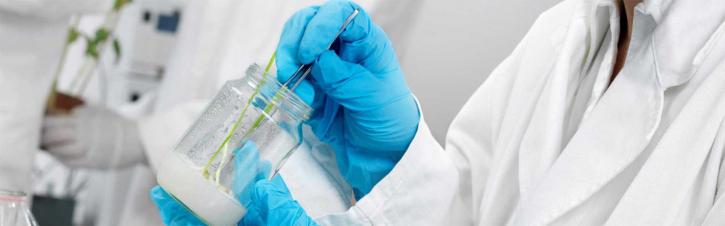
Enzymes are the smart and eco-friendly alternative for chemicals that harm us in various ways. Enzymes help in textile and fiber processing techniques. Protein catalyst enhances the activity in living cells by speeding up the biochemical reactions when compared to the chemical textile enzymes which are harmful to the environment.
The company, Nature Bioscience, is helping nature by emerging as enzyme manufacturers in India. Nature Bioscience textile enzymes come up with better results and high specificity of the catalytic reaction. This makes them the most reliable textile enzyme suppliers. The business is therefore effortless to maintain and calculate.
Key points
● They require less water as compared to conventional chemicals.
● They are highly specific.
● They are biodegradable and are antitoxic which makes it the right choice over the harmful carcinogenic chemicals.
● These enzymes consist of amylase, lipase, cellulases, peroxidases which help in the catalytic preparatory phase.
Application
● Bio-scouring: Scouring is the process of removal of non-cellulosic materials present on the surface of cotton. The scouring process helps in the effective scouring of the cotton fabric without negative results on the fabric and to the environment.
● Bio Desizing: Desizing is the process of removal of the size material from raw materials after a textile fabric is woven. Amylase assists in the Desizing process. It is done at a low temperature of 30-60 degrees Celsius and optimum ph of 5.5-6.5. These enzymes don't degrade the quality of the fabric.
● Bio-bleaching: Bleaching is a process of decolorizing natural pigment which gives a whitish appearance. Hydrogen peroxide is the most common type of bleaching agent which degrades the polymerization and leaves the product damaged. That is why a replacement is necessary which will help in improving the quality of the fabric.
● Bio-polishing: The main objective of polishing any product is to enhance its look or appearance and upgrade the quality of the fabric. But the smoothing of the surface of the textile through the conventional chemicals is temporary which makes the surface soft and smooth for only a few washes. Bio-polishing is a permanent solution that keeps the fabric soft and smooth maintaining the quality even after repeated washes.
● Enzymatic treatment of the Denim: Denim is a heavy grade cotton textile in which the weft passes under two or more warp threads. Therefore, it requires to be treated deeply for perfect quality. It is necessary to choose enzymes over chemicals for their treatment. The enzymes get absorbed deep into the fabric which decreases the chances of fading in the future.
ENZYME SUPPLIER
Emerging as the most promising enzyme manufacturers in India, they are ready to supply the customers the quality products which are efficient to their industries. They aim at being high-quality textile enzymes suppliers for different business sectors in India. They maintain good relations with the customers and try to match in fulfilling their needs with the increasing demand. The team is always trying to develop better ways to face the challenges in supplying adequate enzyme resources throughout the country.
The company, Nature Bioscience, is helping nature by emerging as enzyme manufacturers in India. Nature Bioscience textile enzymes come up with better results and high specificity of the catalytic reaction. This makes them the most reliable textile enzyme suppliers. The business is therefore effortless to maintain and calculate.
Key points
● They require less water as compared to conventional chemicals.
● They are highly specific.
● They are biodegradable and are antitoxic which makes it the right choice over the harmful carcinogenic chemicals.
● These enzymes consist of amylase, lipase, cellulases, peroxidases which help in the catalytic preparatory phase.
Application
● Bio-scouring: Scouring is the process of removal of non-cellulosic materials present on the surface of cotton. The scouring process helps in the effective scouring of the cotton fabric without negative results on the fabric and to the environment.
● Bio Desizing: Desizing is the process of removal of the size material from raw materials after a textile fabric is woven. Amylase assists in the Desizing process. It is done at a low temperature of 30-60 degrees Celsius and optimum ph of 5.5-6.5. These enzymes don't degrade the quality of the fabric.
● Bio-bleaching: Bleaching is a process of decolorizing natural pigment which gives a whitish appearance. Hydrogen peroxide is the most common type of bleaching agent which degrades the polymerization and leaves the product damaged. That is why a replacement is necessary which will help in improving the quality of the fabric.
● Bio-polishing: The main objective of polishing any product is to enhance its look or appearance and upgrade the quality of the fabric. But the smoothing of the surface of the textile through the conventional chemicals is temporary which makes the surface soft and smooth for only a few washes. Bio-polishing is a permanent solution that keeps the fabric soft and smooth maintaining the quality even after repeated washes.
● Enzymatic treatment of the Denim: Denim is a heavy grade cotton textile in which the weft passes under two or more warp threads. Therefore, it requires to be treated deeply for perfect quality. It is necessary to choose enzymes over chemicals for their treatment. The enzymes get absorbed deep into the fabric which decreases the chances of fading in the future.
ENZYME SUPPLIER
Emerging as the most promising enzyme manufacturers in India, they are ready to supply the customers the quality products which are efficient to their industries. They aim at being high-quality textile enzymes suppliers for different business sectors in India. They maintain good relations with the customers and try to match in fulfilling their needs with the increasing demand. The team is always trying to develop better ways to face the challenges in supplying adequate enzyme resources throughout the country.
