
Are You Using Fishing Lures the Wrong Way in Indian Waters? A Practical Guide to Lures and Baits That Actually Work (2026)Fishing Equipment & Supplies CommercialUpdated on Apr 24, 2026 View more like this | Visit India, UN | Contact niya jose |
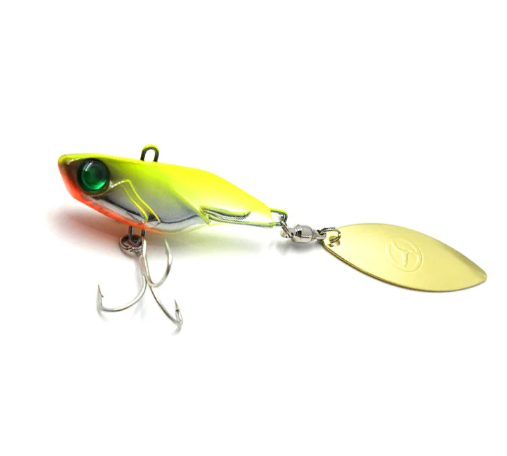
Fishing in India is becoming more popular than ever, and many anglers now rely on well-chosen fishing lures to improve their chances of catching fish in different water conditions. From beginners trying their first cast to experienced anglers exploring new spots, the use of modern techniques has increased significantly. However, even with access to a wide variety of options, many still struggle to get consistent results.
The real issue is not the lack of gear but the lack of understanding of how different lures and baits behave in real fishing situations across Indian waters. Factors like water clarity, fish feeding habits, and retrieval technique play a major role in determining success. Without this knowledge, even high-quality fishing lures may fail, leading to frustration and missed opportunities.
Why Fishing Lures Fail in Indian Conditions
Indian fishing environments are diverse. From rivers and lakes to canals and backwaters, each location has its own ecosystem. Fish in these waters are often exposed to repeated fishing pressure, making them more cautious compared to less fished areas.
Because of this, blindly using popular fishing lures without adapting to the environment often leads to poor results. Fish may ignore your lures and baits if they don’t look natural or behave like real prey. Understanding this difference is the first step toward improving your catch rate.
Common Mistakes While Using Fishing Lures
Many anglers unknowingly make small mistakes that significantly affect their success. Fixing these can make an immediate difference.
Using the Same Fishing Lures Everywhere
One of the most common mistakes is using the same fishing lures in every location.
Clear water requires natural-looking lures
Muddy water needs vibration-based lures and baits
Using the wrong type reduces visibility and attraction, making fish less likely to strike.
Ignoring Retrieval Technique
The way you move your fishing lures is just as important as the lure itself.
Common mistakes include:
Retrieving too fast
Not adding pauses
Using a repetitive motion
Fish often prefer a natural and slightly unpredictable movement. A poor retrieval technique can make even the best lures and baits look unnatural.
Choosing the Wrong Size of Fishing Lures
Many anglers believe bigger fishing lures will catch bigger fish. In reality, this approach often backfires.
In many Indian waters:
Fish are used to small prey
Large lures can appear unnatural
Using smaller and more subtle lures and baits often produces better results.
Fishing at the Wrong Time
Timing plays a crucial role in fishing success.
Early morning fish are active
Afternoon fish become slow
Evening activity increases again
Even the most effective fishing lures will not work if fish are not actively feeding.
Not Switching Between Lures and Baits
Some anglers rely only on artificial fishing lures and ignore natural options.
When fish are inactive or cautious, switching to natural lures and baits such as worms or shrimp can make a big difference. Flexibility is key to consistent success.
What Actually Works: Smart Use of Lures and Baits
To improve your fishing results, focus on how you use your fishing lures rather than constantly changing them.
Match Fishing Lures to Water Conditions
Water clarity directly affects how fish detect your lure.
Clear water use natural colors and realistic designs
Muddy water use bright colors and vibration-based lures and baits
This helps fish notice your fishing lures more easily.
Slow Down Your Technique
One of the most effective changes you can make is slowing down.
Use a slow retrieve
Add pauses between movements
Try stop-and-go techniques
This makes your fishing lures appear more lifelike and increases your chances of getting bites.
Use Smaller, Natural Presentations
In most Indian waters, fish are used to natural food sources such as small fish and insects.
Using smaller fishing lures and subtle lures and baits helps you match these natural patterns, making your setup more effective.
Adapt and Experiment
Fishing conditions change constantly. If one method doesn’t work:
Change lure color
Adjust size
Switch between different lures and baits
Successful anglers are those who adapt quickly rather than sticking to one approach.
Observe Before You Cast
Before using your fishing lures, take a moment to observe your surroundings.
Look for fish movement
Check water clarity
Notice surface activity
This simple step helps you choose the right lure and technique from the start.
Best Fishing Lures for Indian Waters
Here are some reliable options that work well across different fishing conditions in India:
Soft Plastic Fishing Lures
These are versatile and effective for slow fishing. They mimic worms and small fish, making them ideal for natural presentation.
Topwater Fishing Lures
Perfect for early morning and evening fishing when fish are active near the surface. They create visible strikes, making fishing more engaging.
Spinner Lures and Baits
These create vibration and flash, helping fish locate your lure in muddy or low-visibility water.
Jig-Based Lures and Baits
These are effective for bottom fishing and work well in deeper areas where fish tend to stay during the day.
The Real Difference Between Beginner and Smart Anglers
The biggest difference is not the equipment but the approach.
Beginner anglers:
Use random fishing lures
Do not adjust techniques
Ignore changing conditions
Smart anglers:
Adapt their lures and baits
Observe fish behavior
Adjust based on results
This mindset leads to consistent improvement and better catches.
Why This Matters in 2026 Fishing
Fishing pressure in India is increasing, which means fish are becoming more selective. Techniques that worked earlier may not be as effective today.
This makes it essential to understand not just which fishing lures to use, but how to use them effectively. A smart approach with the right lures and baits can give you a clear advantage over others.
Final Advice for Anglers
If your fishing lures are not giving results, don’t assume they are ineffective. In most cases, the issue lies in how they are used. Focus on improving your technique, understanding water conditions, and observing fish behavior.
Start simple, experiment with different lures and baits, and learn from each trip. Over time, you will develop confidence and a better understanding of what works in different situations.
Fishing success is not about having the most expensive gearit is about using your fishing lures in the right way at the right time.
Next time you go fishing, don’t just cast your lineuse your fishing lures smartly and turn every trip into a more successful and rewarding experience.
The real issue is not the lack of gear but the lack of understanding of how different lures and baits behave in real fishing situations across Indian waters. Factors like water clarity, fish feeding habits, and retrieval technique play a major role in determining success. Without this knowledge, even high-quality fishing lures may fail, leading to frustration and missed opportunities.
Why Fishing Lures Fail in Indian Conditions
Indian fishing environments are diverse. From rivers and lakes to canals and backwaters, each location has its own ecosystem. Fish in these waters are often exposed to repeated fishing pressure, making them more cautious compared to less fished areas.
Because of this, blindly using popular fishing lures without adapting to the environment often leads to poor results. Fish may ignore your lures and baits if they don’t look natural or behave like real prey. Understanding this difference is the first step toward improving your catch rate.
Common Mistakes While Using Fishing Lures
Many anglers unknowingly make small mistakes that significantly affect their success. Fixing these can make an immediate difference.
Using the Same Fishing Lures Everywhere
One of the most common mistakes is using the same fishing lures in every location.
Clear water requires natural-looking lures
Muddy water needs vibration-based lures and baits
Using the wrong type reduces visibility and attraction, making fish less likely to strike.
Ignoring Retrieval Technique
The way you move your fishing lures is just as important as the lure itself.
Common mistakes include:
Retrieving too fast
Not adding pauses
Using a repetitive motion
Fish often prefer a natural and slightly unpredictable movement. A poor retrieval technique can make even the best lures and baits look unnatural.
Choosing the Wrong Size of Fishing Lures
Many anglers believe bigger fishing lures will catch bigger fish. In reality, this approach often backfires.
In many Indian waters:
Fish are used to small prey
Large lures can appear unnatural
Using smaller and more subtle lures and baits often produces better results.
Fishing at the Wrong Time
Timing plays a crucial role in fishing success.
Early morning fish are active
Afternoon fish become slow
Evening activity increases again
Even the most effective fishing lures will not work if fish are not actively feeding.
Not Switching Between Lures and Baits
Some anglers rely only on artificial fishing lures and ignore natural options.
When fish are inactive or cautious, switching to natural lures and baits such as worms or shrimp can make a big difference. Flexibility is key to consistent success.
What Actually Works: Smart Use of Lures and Baits
To improve your fishing results, focus on how you use your fishing lures rather than constantly changing them.
Match Fishing Lures to Water Conditions
Water clarity directly affects how fish detect your lure.
Clear water use natural colors and realistic designs
Muddy water use bright colors and vibration-based lures and baits
This helps fish notice your fishing lures more easily.
Slow Down Your Technique
One of the most effective changes you can make is slowing down.
Use a slow retrieve
Add pauses between movements
Try stop-and-go techniques
This makes your fishing lures appear more lifelike and increases your chances of getting bites.
Use Smaller, Natural Presentations
In most Indian waters, fish are used to natural food sources such as small fish and insects.
Using smaller fishing lures and subtle lures and baits helps you match these natural patterns, making your setup more effective.
Adapt and Experiment
Fishing conditions change constantly. If one method doesn’t work:
Change lure color
Adjust size
Switch between different lures and baits
Successful anglers are those who adapt quickly rather than sticking to one approach.
Observe Before You Cast
Before using your fishing lures, take a moment to observe your surroundings.
Look for fish movement
Check water clarity
Notice surface activity
This simple step helps you choose the right lure and technique from the start.
Best Fishing Lures for Indian Waters
Here are some reliable options that work well across different fishing conditions in India:
Soft Plastic Fishing Lures
These are versatile and effective for slow fishing. They mimic worms and small fish, making them ideal for natural presentation.
Topwater Fishing Lures
Perfect for early morning and evening fishing when fish are active near the surface. They create visible strikes, making fishing more engaging.
Spinner Lures and Baits
These create vibration and flash, helping fish locate your lure in muddy or low-visibility water.
Jig-Based Lures and Baits
These are effective for bottom fishing and work well in deeper areas where fish tend to stay during the day.
The Real Difference Between Beginner and Smart Anglers
The biggest difference is not the equipment but the approach.
Beginner anglers:
Use random fishing lures
Do not adjust techniques
Ignore changing conditions
Smart anglers:
Adapt their lures and baits
Observe fish behavior
Adjust based on results
This mindset leads to consistent improvement and better catches.
Why This Matters in 2026 Fishing
Fishing pressure in India is increasing, which means fish are becoming more selective. Techniques that worked earlier may not be as effective today.
This makes it essential to understand not just which fishing lures to use, but how to use them effectively. A smart approach with the right lures and baits can give you a clear advantage over others.
Final Advice for Anglers
If your fishing lures are not giving results, don’t assume they are ineffective. In most cases, the issue lies in how they are used. Focus on improving your technique, understanding water conditions, and observing fish behavior.
Start simple, experiment with different lures and baits, and learn from each trip. Over time, you will develop confidence and a better understanding of what works in different situations.
Fishing success is not about having the most expensive gearit is about using your fishing lures in the right way at the right time.
Next time you go fishing, don’t just cast your lineuse your fishing lures smartly and turn every trip into a more successful and rewarding experience.
