
"Orbiting Opportunity: How Satellite NTN Is Reshaping Global Communication InfrastructureSatellite CommunicationsUpdated on Jun 13, 2025 View more like this | Visit FLORIDA, NY | Contact sheetal borkar |
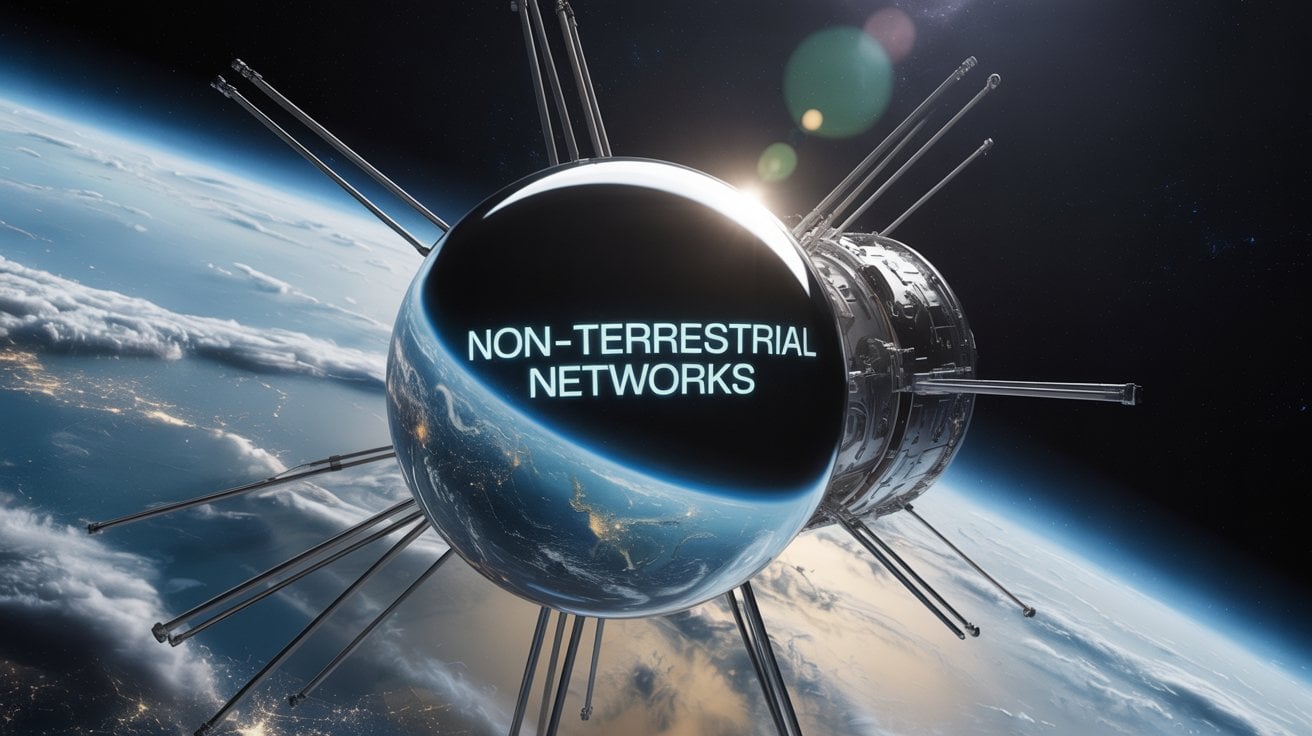
The Satellite Non-Terrestrial Network (NTN) market is entering a transformative phase as space-based communication systems evolve into vital enablers of seamless, global connectivity. Fueled by an increasing demand for always-on data access across remote regions, mobile platforms, and strategic defense zones, the market is projected to expand from USD 0.56 billion in 2025 to USD 2.79 billion by 2030, growing at a CAGR of 38.0%.Satellite NTN Bridges the Coverage Gap
Traditional terrestrial networks have long struggled to deliver services to rural, oceanic, and airborne environments. Satellite NTN systems address this gap by extending reliable broadband and mobile communications to locations where ground-based infrastructure is infeasible. The deployment of LEO satellite constellations enables low-latency, high-capacity communication on a global scale, transforming how industries connect and operate.
Download PDF Brochure @
https://www.marketsandmarkets.com/pdfdownloadNew.asp?id=185084281
With enhanced mobility, these networks serve dynamic environments like aircraft, vessels, and autonomous vehicles, supporting real-time data transfer and operational decision-making in motion.
NTN and 5G NR: A Future-Proof Combination
A major technological breakthrough comes from the integration of NTN with 5G New Radio (NR) standards. Designed under 3GPP specifications, NR NTN enables compatibility between satellite and terrestrial 5G systems, offering flexible architecture, dynamic spectrum utilization, and advanced beamforming.
This standardization lowers deployment costs and accelerates rollouts, enabling satellite operators and mobile network providers to collaborate on hybrid networks. These networks support mission-critical use cases, including:
Emergency response & disaster recovery
IoT connectivity in remote areas
Autonomous transport and logistics
Smart agriculture & mining operations
Regional Growth Spotlight: North America Leads the Way
North America is expected to remain the largest contributor to the satellite NTN market, backed by regulatory support, defense investments, and private sector leadership. The US has established streamlined licensing via the Federal Communications Commission (FCC) and continues to allocate spectrum for space-based services.
Commercial giants like SpaceX (Starlink), Amazon (Project Kuiper), and OneWeb are rapidly deploying constellations, supported by government agencies and strategic telecom alliances. Their focus lies in bridging the digital divide and expanding high-speed internet access to underserved populations.
Simultaneously, Verizon, AT&T, and T-Mobile are piloting NTN-backed services that integrate seamlessly with their terrestrial infrastructure—setting the stage for fully converged global networks.
Key Applications Expanding Market Horizons
Satellite NTN solutions are no longer limited to basic communication—they now support a wide array of advanced use cases:
Military and defense operations demanding secure, low-latency global coverage
Maritime logistics and fleet tracking across international waters
Precision agriculture with real-time environmental data transmission
Disaster relief with instant infrastructure deployment
Remote education and telemedicine in developing regions
These applications highlight the technology’s role as a backbone for resilient and inclusive digital ecosystems.
Ask for Sample Report @
https://www.marketsandmarkets.com/requestsampleNew.asp?id=185084281
Competitive Landscape
The Satellite NTN market includes leading global players who are shaping the future through continuous R&D, satellite innovation, and strategic partnerships:
Airbus (Netherlands)
Thales Alenia Space (France)
Analog Devices, Inc. (US)
Kongsberg (Norway)
NEC Corporation (Japan)
Their initiatives span from developing advanced satellite payloads to AI-driven resource optimization and secure multi-orbit communication platforms.
As the demand for uninterrupted global communication intensifies, Satellite NTN is rising to meet this challenge. It promises to be a critical enabler of next-generation digital infrastructure, supporting everything from smart industries and autonomous mobility to defense and disaster resilience.
