
Evolving Battlefield Dynamics Drive Growth in the Precision-Guided Munition Market IntroductionDefense Consulting AgenciesUpdated on May 22, 2025 View more like this | Visit FLORIDA, NY | Contact sheetal borkar |
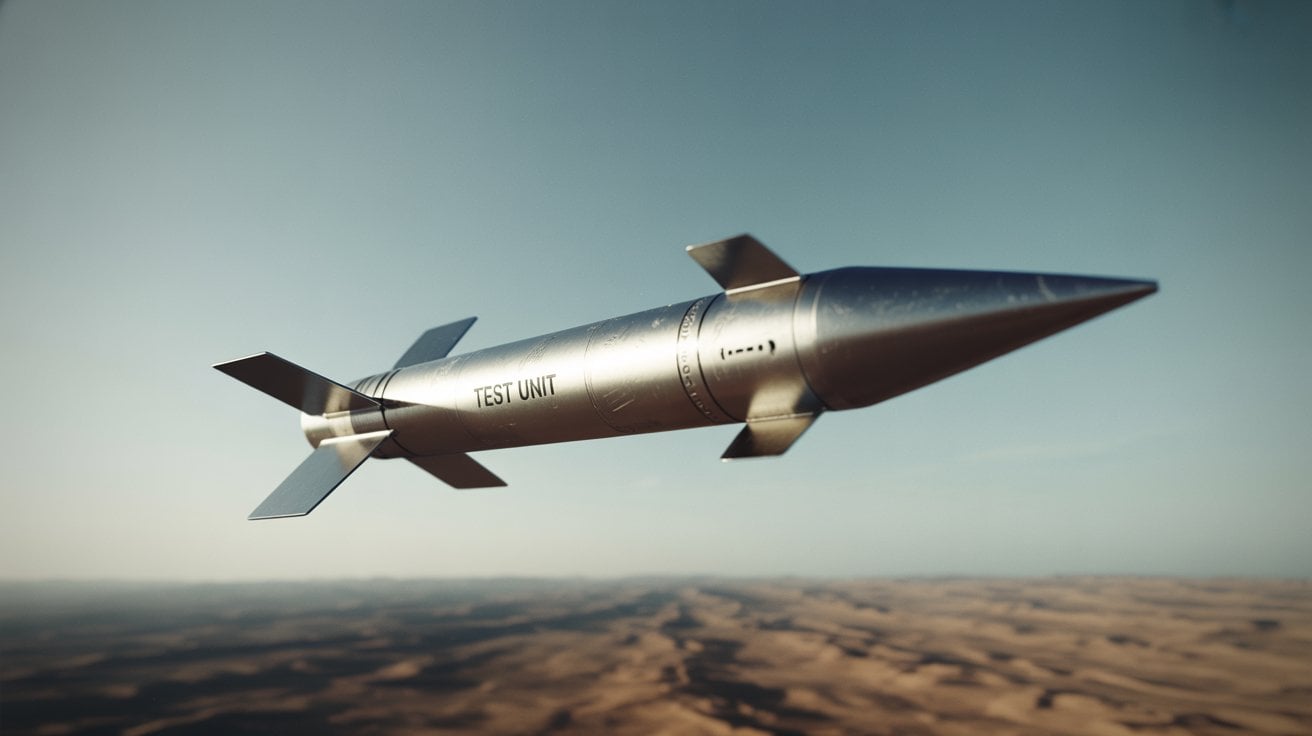
The global precision-guided munition (PGM) market is undergoing a significant transformation, fueled by the evolving nature of modern warfare. As militaries worldwide strive for accuracy, lethality, and survivability, PGMs are becoming the weapon of choice in both conventional and asymmetric combat environments. With a projected growth from USD 37.24 billion in 2025 to USD 49.71 billion by 2030 at a CAGR of 5.9%, the market reflects the global shift toward smart, responsive, and mission-adaptable munitions.
Download PDF Brochure @
https://www.marketsandmarkets.com/pdfdownloadNew.asp?id=109859417
Modernization and Demand Drivers
The rising demand for PGMs is directly linked to ongoing military modernization programs, increased defense budgets, and strategic imperatives to reduce collateral damage. PGMs enable forces to achieve high-impact results while minimizing operational risk. Countries facing contested environments or engaged in counterinsurgency missions prefer PGMs for their ability to engage high-value targets with precision, even in complex terrains.
Additionally, PGMs are playing a growing role in gray-zone conflicts, where precision, discretion, and limited footprint are more desirable than conventional force projection. Their adaptability across air, land, and naval platforms makes them highly versatile in multi-domain operations.
Technology Trends in Guidance and Navigation
One of the most critical segments of the PGM market is the development of advanced guidance and navigation systems. These technologies transform conventional explosives into intelligent weapons capable of striking targets with high accuracy. The integration of inertial navigation systems, satellite-based GPS guidance, laser designation, and electro-optical sensors allows PGMs to perform under challenging battlefield conditions, including electronic warfare and GPS-denied zones.
Recent advancements include real-time targeting through networked systems, artificial intelligence-based trajectory correction, and image recognition capabilities, making PGMs smarter and more resilient. As threats become more mobile and dynamic, these capabilities are no longer optional but essential.
Shift Toward Supersonic and Hypersonic Capabilities
Speed is becoming a defining characteristic in the next generation of precision weapons. Supersonic and hypersonic PGMs are gaining traction due to their ability to conduct time-critical strikes with minimal warning to adversaries. These munitions can rapidly penetrate heavily defended airspaces and deliver precision effects on time-sensitive or high-value targets.
Countries like the United States, Russia, and China are investing heavily in hypersonic glide vehicles and missiles, while others are exploring supersonic anti-ship and air-to-ground variants to maintain parity in future conflicts. These systems not only provide greater strategic reach but also increase survivability against advanced air defense networks.
Autonomy and Artificial Intelligence
Autonomous PGMs are changing the rules of engagement by enabling weapons to operate independently after launch. Through onboard processing, these munitions can locate, track, and engage targets without requiring continuous operator input. This is particularly beneficial in environments where communication links may be compromised.
AI integration is enabling PGMs to analyze sensor data in real time, recognize patterns, and make informed targeting decisions. These developments are helping militaries deal with complex scenarios such as swarm attacks, decoys, and moving targets more effectively.
Regional Dynamics and Market Opportunities
The Asia-Pacific region is forecast to be the fastest-growing market, driven by regional tensions, military modernization programs, and increased procurement of advanced munitions. Countries like India, China, Japan, and South Korea are prioritizing the development and acquisition of PGMs for a range of platforms.
In Europe, efforts to enhance indigenous defense capabilities and interoperability among NATO members are contributing to strong market potential. Meanwhile, North America remains the largest market, supported by sustained investments in R and D and procurement programs by the United States Department of Defense.
Middle Eastern nations are also expanding their PGM inventories due to persistent regional instability and the need for precision targeting in asymmetric warfare scenarios.
Challenges to Market Growth
Despite the growth potential, several challenges exist. High development and integration costs, complex manufacturing requirements, and concerns over arms proliferation can hinder market expansion. Moreover, ensuring cyber and electronic warfare resilience remains a technical challenge, particularly as PGMs become more connected and data-dependent.
Export regulations and political considerations also influence market dynamics, especially in regions with shifting alliances or conflict sensitivities.
Future Outlook
The future of the precision-guided munition market lies in increased autonomy, integration with network-centric warfare systems, and enhanced adaptability across multiple combat environments. As defense planners prioritize effectiveness over volume, PGMs will be at the forefront of future weapons inventories.
Continued collaboration between defense contractors, governments, and research institutions will be essential to push the boundaries of what PGMs can achieve. Innovations in propulsion, AI, and miniaturization are likely to further enhance their role in modern and future conflicts.
Ask for Sample Report @
https://www.marketsandmarkets.com/requestsampleNew.asp?id=109859417
Precision-guided munitions are no longer supplementary tools but central components of contemporary military strategy. Their ability to deliver tailored, accurate, and mission-specific effects makes them indispensable in a world where precision and speed define battlefield success. As defense forces continue to modernize, invest in emerging technologies, and prepare for high-end conflicts, the PGM market is set to remain a cornerstone of global defense innovation.
