
Elevating Intelligence: How AI is Transforming UAVs into Autonomous Mission PlatformsAerospace Research & DevelopmentUpdated on Apr 23, 2025 View more like this | Visit FLORIDA, NY | Contact sheetal borkar |
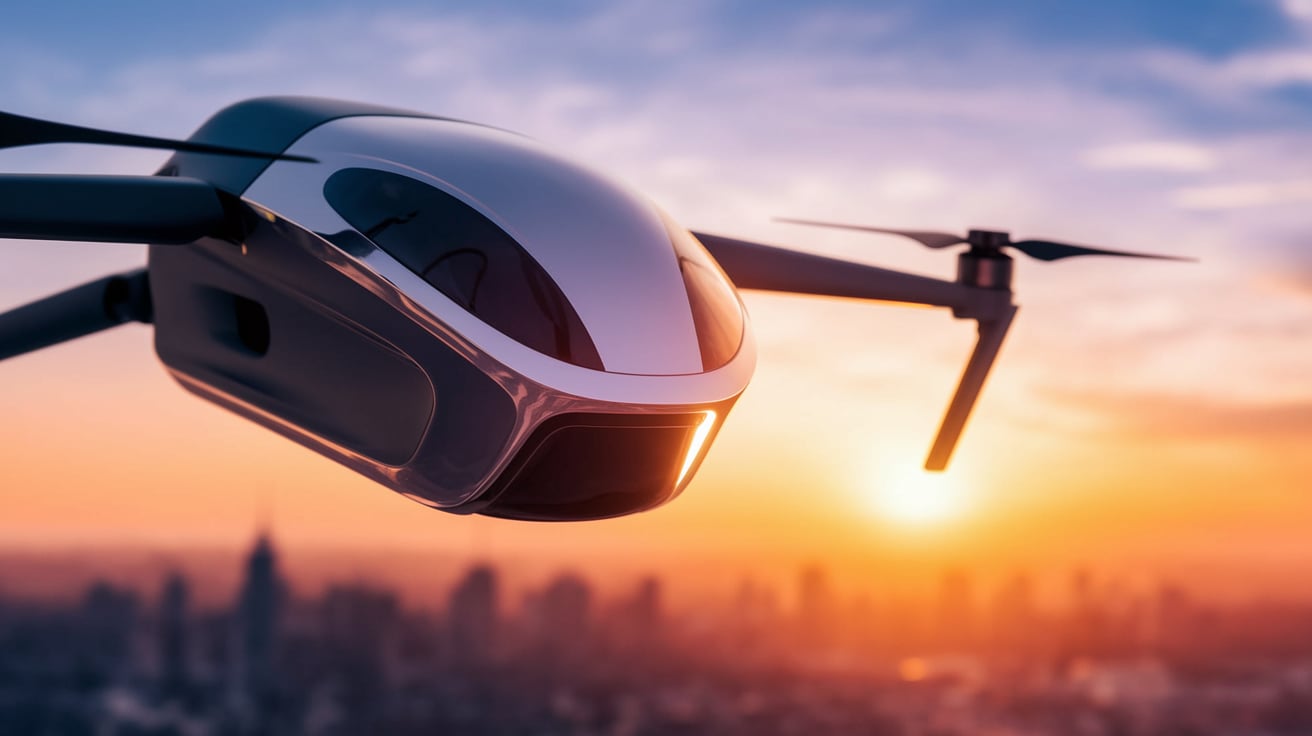
Artificial intelligence is redefining the very DNA of the UAV industry. Once viewed primarily as remote-controlled reconnaissance tools or delivery vehicles, drones are now evolving into fully autonomous, decision-making platforms that offer real-time responsiveness, predictive intelligence, and mission-level flexibility. This shift is not just technical—it’s strategic, shaping how industries and governments design, deploy, and scale unmanned aerial operations globally.
At the heart of this evolution lies the convergence of AI with next-gen sensors, edge computing, and data fusion frameworks. Modern UAVs are no longer passive data collectors—they are active participants in operational workflows. By embedding AI into the core of flight systems, drones can now identify anomalies, reroute in real time, collaborate with other assets, and even forecast environmental variables, all without human input.
Request AI Impact Analysis on UAV (Drone) Industry : https://www.marketsandmarkets.com/pdfdownloadNew.asp?id=662
Dual-Use Innovation: Commercial and Defense Intersections
The most dynamic advancements in AI-powered UAVs are emerging at the intersection of civil and defense applications. In the commercial space, autonomous drones are optimizing last-mile logistics, mapping infrastructure, and supporting precision agriculture with high-frequency data loops. In defense, AI is driving capabilities such as real-time threat detection, swarm coordination, target prioritization, and adaptive mission execution in contested environments.
This dual-use innovation model is accelerating R&D cycles, creating faster technology transfer between commercial labs and military programs. Governments are increasingly funding AI-centric UAV prototypes that can seamlessly shift between civil surveillance and strategic intelligence roles—blurring traditional boundaries and reshaping procurement models.
Scalable Autonomy and Fleet Intelligence
One of AI’s most transformative effects is enabling scalable autonomy across UAV fleets. Rather than managing drones as individual units, operators are beginning to deploy intelligent swarms that act collectively—sharing information, adjusting flight paths, and dividing tasks dynamically. These autonomous fleets are ideal for use cases such as wide-area monitoring, real-time crowd management, or emergency response coordination.
AI enables these systems to behave less like machines and more like ecosystems—able to adapt on the fly, optimize energy consumption, and allocate resources based on mission priorities. This flexibility significantly reduces operator workload while boosting efficiency, safety, and effectiveness across large-scale deployments.
The Shift Toward Cognitive Payloads
Beyond autonomy, AI is also transforming the payload landscape. Traditional sensor packages are now being augmented—or even replaced—by cognitive payloads: onboard modules that can analyze, interpret, and act on data mid-mission. This allows UAVs to deliver actionable intelligence, rather than just raw data, shortening the time from observation to decision.
Whether it's analyzing multispectral crop data, detecting microcracks in turbine blades, or identifying hostile signals on the battlefield, AI-enhanced payloads are turning drones into mobile analysis labs. The result is not only faster insight, but also better-informed decisions and more agile field operations.
Regulatory Maturity and Infrastructure Readiness
As UAV autonomy advances, regulatory agencies are accelerating efforts to modernize airspace frameworks. AI is a key enabler of safe beyond-visual-line-of-sight (BVLOS) operations, automated airspace deconfliction, and dynamic flight authorization. Intelligent drones can respond to airspace alerts, avoid restricted zones, and negotiate access to congested corridors—capabilities essential for both urban air mobility and rural surveillance missions.
Infrastructure is also evolving in parallel, with droneports, recharging stations, and AI-linked control centers forming the backbone of next-generation UAV networks. These developments point to a future where drones operate not as stand-alone machines, but as connected, intelligent systems embedded within broader logistics, security, and service ecosystems.
