
Why Would You Need Spinal Decompression Surgery?Medical ClinicUpdated on Apr 15, 2024 View more like this | Visit EDISON, NJ | Contact Amelia Grant |
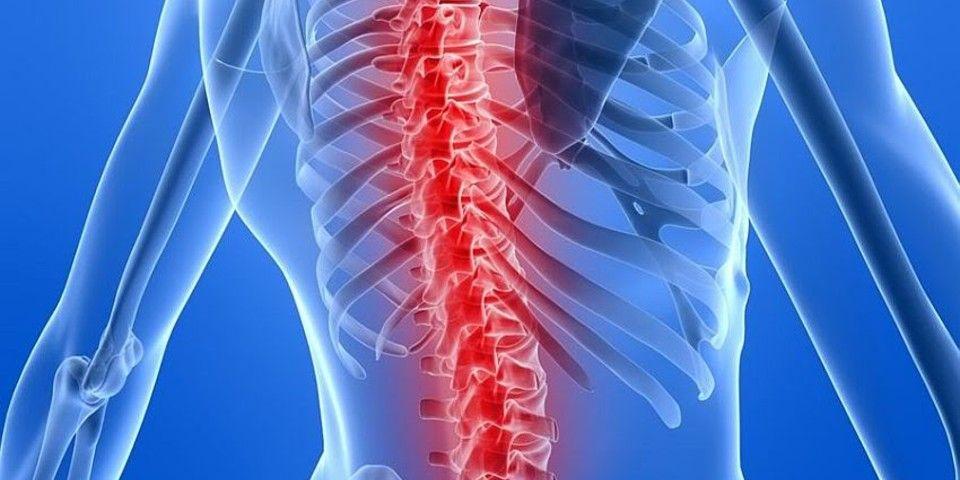
Spinal decompression surgery is typically used to treat symptoms such as weakness, numbness, and discomfort in the arms or legs, as well as difficulties walking and performing daily activities due to severe pain.
These are frequently the result of a crushed nerve. Spine decompression surgery is a surgical treatment that frees compressed nerves in the spinal cord. The surgeon will accomplish this by creating an incision in the spine and, under X-ray guidance, removing suitable nerves and tissues to relieve pressure on the problematic area. Once your surgeon is satisfied with the decompression and your nerves have been freed up, the muscles that were displaced will be sewn back into place and the incision closed.
Preparing for your spinal decompression surgery
Preparing for surgery is one of the most beneficial things you can do for yourself. It not only reduces tension and anxiety before surgery, but it also allows you to concentrate on recovery.
Before your spinal decompression, complete as much paperwork as possible. This will save you time on the day of the surgery. It will also allow you to learn what type of insurance coverage you may expect.
Next, arrange for assistance when you return home. You will need to rest a lot following your procedure. You will also be limited in your ability to lift things and participate in some activities. Child and pet care are two things to think about when making these preparations, especially if you have younger children who need lifting, diaper changes, or transportation to and from school.
Other things you can do to prepare for surgery include having lab testing done. This may include blood tests or imaging scans. Your surgeon will advise you on which of these tests you can have done in advance.
The day of your surgery
On the day of your procedure, you must check in early. Any documentation that wasn’t done previously will be completed now. In addition, you may be given extra information about your insurance and any additional expenses that may apply.
Once you've checked in, you'll be directed back to the surgery prep room. Here, you will change into a hospital gown. An intravenous catheter will be implanted, allowing you to receive fluids and drugs.
Your anesthesiologist will also stop by and speak with you. He or she will ask about any pharmaceutical allergies you may have, as well as inquiries about pain.
When you are ready to return to surgery, you will be placed under anesthesia and brought to the operating room.
The surgery
To ensure that your operation goes as smoothly as possible, your surgeon will be assisted by a team of experts. All three of the aforementioned procedures require only minor incisions in your skin. Your doctor will then use an adapted microscope and surgical instruments designed to work in tight areas.
If you are having a partial discectomy, the surgeon will evaluate which section of the herniated disc is pressing on your spinal cord or nerves. They will then gently eliminate the problematic areas.
A laminectomy removes a part of the vertebra called the lamina. This makes room for your spinal cord to flow freely within the spinal canal. This is a standard procedure for spinal stenosis.
If the laminectomy has weakened the bone, your doctor may conduct a fusion operation. A fusion operation employs bone grafts and, on occasion, equipment such as rods and screws to support the area of your spine where the laminectomy was performed.
Your surgeon does a foraminotomy, which involves removing tissue or bone from the spinal canal that may be causing constriction. This, like the laminectomy, allows the spinal cord to move more freely.
After your surgeries, your incision will be closed and you will be taken to a recovery room. You will be closely observed till you are awake. Your vital signs will be examined, pain medicine will be administered and changed, and after you are stable, you will be transferred to another area of the hospital.
On average, your hospital stay after surgery will be between one and four days. This will depend on the complexity of your surgery and how well you respond to pain meds. During this time, you will be switched to oral pain medications and may begin light physical therapy if necessary.
