
8 Alarming Signs That You Should Visit a Spine CenterMedical ClinicUpdated on Oct 11, 2023 View more like this | Visit EDISON, NJ | Contact Amelia Grant |
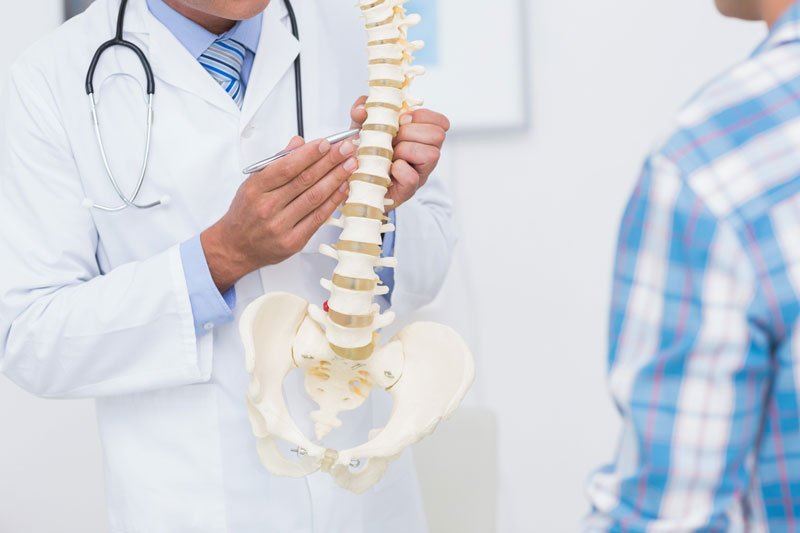
Medical specialists at a spine center will do a comprehensive physical exam and recommend diagnostic procedures, such as X-rays, MRIs, or CT scans, to establish the underlying cause of your problems. They will propose an appropriate treatment plan based on the diagnosis, which may involve medication, physical therapy, surgery, or a combination of treatment options. In this article, we will discuss eight alarming signs that you should visit a spine center.
1. Persistent pain
If you have persistent pain in your neck, back, or legs, you should see a spine specialist. Pain that lasts longer than a week, worsens with activity or keeps you up at night can indicate a significant spine problem that requires medical treatment. Pain might be caused by a herniated disc, degenerative disc disease, or spinal stenosis.
2. Numbness and tingling sensations
Numbness and tingling feelings in your arms, legs, or fingers may suggest a nerve issue in your spine. Numbness and tingling can develop as a result of a herniated disc, spinal stenosis, or a pinched nerve. A spine center can identify the underlying illness and propose a treatment strategy to relieve the symptoms.
3. Weakness and loss of coordination
If you are suffering from weakness in your arms, legs, or fingers, or if you have trouble coordinating your motions, you may have a major spinal condition. A herniated disc, spinal cord injury, or degenerative disc disease might trigger weakness and lack of coordination. These signs and symptoms require immediate treatment to prevent additional spinal cord injury.
4. Difficulty walking or standing
If you have trouble walking or standing, this might be an indication of spinal cord compression. When the spinal cord is squeezed due to a herniated disc, spinal stenosis, or a tumor, this is known as spinal cord compression. If untreated, spinal cord compression can cause irreversible nerve damage and function loss. A spine center can identify the underlying problem and provide a treatment strategy to alleviate the symptoms.
5. Loss of bladder or bowel control
If you lose bladder or bowel control, it could point to a serious spinal problem that necessitates immediate medical attention. A herniated disc, spinal cord damage, or spinal tumor might result in loss of bladder or bowel control. These symptoms require medical care in order to prevent additional spinal cord damage.
6. History of cancer
If you have a history of cancer, it is critical that you consult a spine clinic if you have back pain or other spine-related symptoms. Cancer that spreads to the spine can cause severe pain, weakness, and loss of function. A spine center can evaluate the underlying illness and provide a treatment approach to alleviate the symptoms.
7. Previous spinal surgery
If you have previously undergone spinal surgery and are having new or worsening problems, it is critical that you contact a spine center. Scar tissue from previous spinal surgery can compress nerves and contribute to pain and other symptoms. A spine center can identify the root cause of the problem and propose a treatment strategy to relieve the symptoms.
8. Scoliosis
Scoliosis is a disorder in which the spine bends to the side, resulting in unequal shoulders, hips and a visible curvature in the back. Scoliosis can result in back pain, breathing issues, and functional loss. Without timely and proper treatment, scoliosis can result in irreversible deformity and loss of function. A spine center can diagnose scoliosis and suggest a treatment strategy to improve the condition.
The bottom line
The spine is a crucial component of the human body, and any damage or injury to it can have serious and long-term consequences. If you see any of the eight concerning symptoms listed in this article, you should seek medical assistance as soon as possible. A spine center provides patients with highly trained medical specialists that can diagnose and treat a variety of spinal disorders. Early detection and treatment of spine-related problems can help avoid additional damage and increase the likelihood of a full recovery.
