
What's a Timing Belt?Auto Repair & Car ServiceUpdated on Mar 24, 2020 View more like this | Visit COLUMBUS, OH | Contact Shifflet Auto Care |
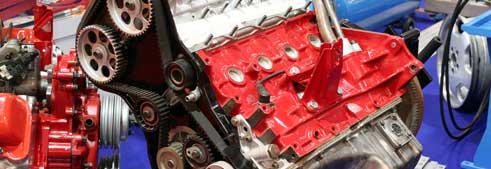
What are timing belts? What do they do? Timing belts are rubber belts with "teeth" that connect the crankshaft of the engine to the camshaft(s). The timing belt helps the two engine parts to work together in harmony so that the valves open and close properly according to the piston position. There are times when timing belts also work with other parts of your car such as the oil pump, the water pump, injection pump, the intermediate shaft and the balance shaft.
Timing belts have a big job to do when it comes to keeping your engine running properly. If your timing belt brakes, it could cause big problems under the hood of your car. Depending on the type of engine your car has, the damage can easily go from bad to worse. But no matter the engine, if your timing belt breaks,your car's engine will quit and leave you stranded wherever it quits. This is a scary thought.
To avoid being stranded on the side of the road, have your timing belt inspected for cuts, cracks, any signs of excessive wear and for any signs of wetness that may mean the engine is leaking oil. Another smart idea is to refer to your car's owner's manual for the manufacturers recommendations. It can tell you exactly what you need to know about scheduling timing belt replacements. Typically that time frame is between 60,000 - 100,000 miles. www.ShiffletAutoCare.com
Timing belts have a big job to do when it comes to keeping your engine running properly. If your timing belt brakes, it could cause big problems under the hood of your car. Depending on the type of engine your car has, the damage can easily go from bad to worse. But no matter the engine, if your timing belt breaks,your car's engine will quit and leave you stranded wherever it quits. This is a scary thought.
To avoid being stranded on the side of the road, have your timing belt inspected for cuts, cracks, any signs of excessive wear and for any signs of wetness that may mean the engine is leaking oil. Another smart idea is to refer to your car's owner's manual for the manufacturers recommendations. It can tell you exactly what you need to know about scheduling timing belt replacements. Typically that time frame is between 60,000 - 100,000 miles. www.ShiffletAutoCare.com
