
Top 8 Cost-Effective Packaging TypesPlastic PackagingUpdated on Apr 28, 2019 View more like this | Visit CHINA, TX | Contact Kayson Ye |
Having a cost-effective packaging strategy is the gateway to your brand’s success as this will help you reach the break-even point much earlier.
It is not the packaging strategy but the cost-effectiveness of specific strategy which impacts the decision of an enterprise. Yes, not one but many strategies are suitable for packaging your product. However, it is the most effective one, in terms of cost and utility, your organisation must opt for.
Here, we have the top 8 cost-effective packaging types your organisation can choose from.
1. Poly Bags
Made out of plastic film material, you can use poly-bags or pouches for packaging everything from fruits, vegetables, medicine, flowers, magazines and more. They are easier to produce and more cost-effective than any other possible options.
2. Paperboard Boxes
It is the lightweight and durable cousin of cardboard packaging which can be easily cut into any shape and size to fit the product requirements. It is produced out of recycled paper and softwood pulp, making it quite inexpensive. Plus, you can use environment-friendly options here too.
3. Paper bags
Several retail outlets stick to paper bags for selling clothing items as they can be easily printed upon and are easy to transport. Plus, they are environment-friendly, convenient, and cost-effective. Therefore, people consider them more accepted in grocery stores to malls than poly-bags.
4. Bottle and Cap packaging
For pharmaceuticals, cosmetics, and liquids, one cannot use paper-based packaging. Therefore, plastic bottles with caps are a great way to market and sell products which tend to flow. Pharmaceuticals can also adhere to glass bottles. They can be easily reused, use less shelf-space, and can be easily bought for less in bulk.
5. Corrugated Boxes
When it comes to shipping, shoe storage, and packaging products in bulk, nothing can compete with the efficiency of corrugated boxes. They are sturdy enough to maintain the design and configuration of the primary packaging of the products.
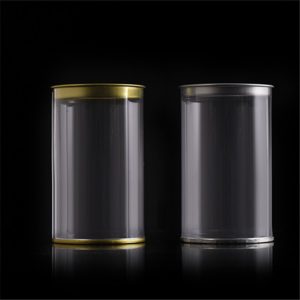
6. Plastic Boxes
To package almost anything and everything, plastic packaging remains to be popular as it can be transparent and meal able into any desired shape. Plastic Retail Packaging Boxes are quite viable for products which are more likely to poke through paper-based packaging or fragile bakery goods. They can be a bit on a pricier end depending upon the level of detail.
7. Side-gusset Boxes
The products such as tea and coffee which require a dense environment to restrict oxygen from spoiling and retain flavour and taste require side-gusset or foil sealed packaging. While it can be expensive, nuts, coffee, and tea sold in these packaging are premium products and need that kind of security.
8. Rigid Boxes
They are the luxury boxes which are four times thicker than usual corrugated boxes and anti-collision to protect the products which are inside them. They are used to store luxury items such as watches, smartphones, and jewellery which can easily get spoilt it not stored with care. The price of the product you are using them for makes them quite cost-effective.
There you have it! We hope that the above analysis will you a better insight into the packaging which you can use for your product and save huge costs on manufacturing.
It is not the packaging strategy but the cost-effectiveness of specific strategy which impacts the decision of an enterprise. Yes, not one but many strategies are suitable for packaging your product. However, it is the most effective one, in terms of cost and utility, your organisation must opt for.
Here, we have the top 8 cost-effective packaging types your organisation can choose from.
1. Poly Bags
Made out of plastic film material, you can use poly-bags or pouches for packaging everything from fruits, vegetables, medicine, flowers, magazines and more. They are easier to produce and more cost-effective than any other possible options.
2. Paperboard Boxes
It is the lightweight and durable cousin of cardboard packaging which can be easily cut into any shape and size to fit the product requirements. It is produced out of recycled paper and softwood pulp, making it quite inexpensive. Plus, you can use environment-friendly options here too.
3. Paper bags
Several retail outlets stick to paper bags for selling clothing items as they can be easily printed upon and are easy to transport. Plus, they are environment-friendly, convenient, and cost-effective. Therefore, people consider them more accepted in grocery stores to malls than poly-bags.
4. Bottle and Cap packaging
For pharmaceuticals, cosmetics, and liquids, one cannot use paper-based packaging. Therefore, plastic bottles with caps are a great way to market and sell products which tend to flow. Pharmaceuticals can also adhere to glass bottles. They can be easily reused, use less shelf-space, and can be easily bought for less in bulk.
5. Corrugated Boxes
When it comes to shipping, shoe storage, and packaging products in bulk, nothing can compete with the efficiency of corrugated boxes. They are sturdy enough to maintain the design and configuration of the primary packaging of the products.
6. Plastic Boxes
To package almost anything and everything, plastic packaging remains to be popular as it can be transparent and meal able into any desired shape. Plastic Retail Packaging Boxes are quite viable for products which are more likely to poke through paper-based packaging or fragile bakery goods. They can be a bit on a pricier end depending upon the level of detail.
7. Side-gusset Boxes
The products such as tea and coffee which require a dense environment to restrict oxygen from spoiling and retain flavour and taste require side-gusset or foil sealed packaging. While it can be expensive, nuts, coffee, and tea sold in these packaging are premium products and need that kind of security.
8. Rigid Boxes
They are the luxury boxes which are four times thicker than usual corrugated boxes and anti-collision to protect the products which are inside them. They are used to store luxury items such as watches, smartphones, and jewellery which can easily get spoilt it not stored with care. The price of the product you are using them for makes them quite cost-effective.
There you have it! We hope that the above analysis will you a better insight into the packaging which you can use for your product and save huge costs on manufacturing.
