
The 7 Most Likely Culprits Behind Your Receding GumsDental ClinicsUpdated on Oct 11, 2023 View more like this | Visit BROOKLYN, NY | Contact Amelia Grant |
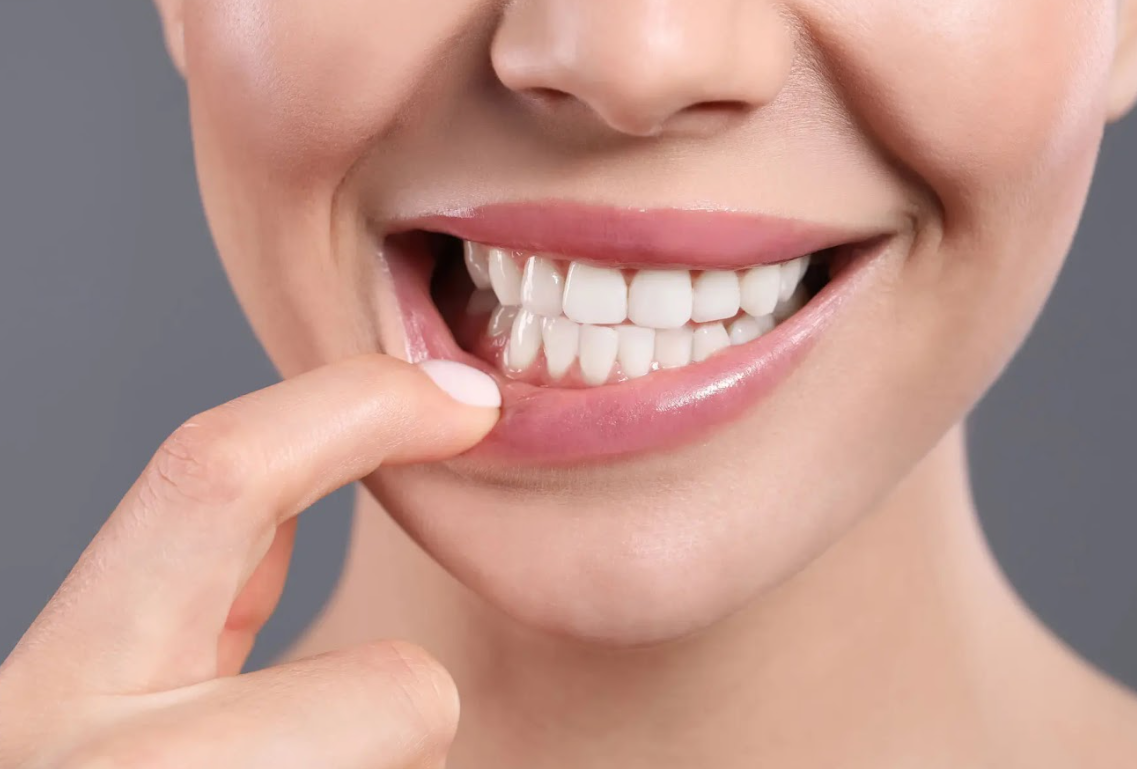
What can you do to stop the recession of your gums? Gum grafting is a procedure done by our skilled dental specialist to enhance the health and aesthetics of your mouth. Your dentist also addresses the root causes of your gums receding.
Here, we explore the most prevalent culprits behind receding gums and the available treatment options.
1. Bad dental hygiene
Inadequate flossing and brushing techniques raise your risk of gum recession. Brushing and flossing help eliminate plaque, but if it is not removed, it might harden into tartar.
Calculus, also known as tartar, is tough to remove and should only be done by a specialist. The gingiva, the gum tissue that surrounds the base of your teeth, grows more irritated the longer calculus remains on the enamel. Gums that are inflamed, swollen, and irritable can pull away from your teeth.
2. Periodontitis
Periodontitis, often referred to as gum disease, is a significant cause of receding gums. These infections of the gums and jawbone can occur when plaque and tartar accumulate along the gumline.
Periodontal pockets arise when your gums become infected and inflamed. Your gums peel away from your tooth as the pockets expand. Gum disease, if left untreated, causes halitosis, loose teeth, missing teeth, and bleeding gums.
Antibiotics, prescription mouthwash, and treatments like root planing and scaling are used to treat gum disease in its last stages.
3. Overzealous brushing
While insufficient teeth brushing can be problematic, so can overzealous brushing. Brushing too forcefully, using abrasive toothpaste and a brush with hard bristles can all severely compromise the protective layer of your teeth and your gums.
4. Hormonal flanctuations
Hormonal imbalances can increase your risk of gingivitis, the first stage of gum disease, and other gum problems. For instance, it's considerably more crucial to maintain proper dental hygiene when pregnant. You can lessen your chance of developing pregnancy-related gingivitis by getting rid of plaque and tartar effectively.
5. Tobacco
Smoking has several negative effects on your dental health, including an elevated risk of gingivitis and mouth cancer. Smoking alters the amount of oxygen present in your blood, which makes it more difficult for gum infections to heal. Furthermore, smoking makes it more likely that you will develop plaque, which implies that gum disease and receding gums can progress rapidly.
6. Diabetes
Gum disease is more common in diabetics since the condition damages your gums and the jawbone by obstructing the flow of nutrients. Additionally, badly managed diabetes causes high blood sugar levels in saliva, which encourage bacterial activity and results in receding gums.
7. Lack of vitamin c
Vitamin C is essential since it helps make collagen, restore and build cells, maintain a healthy immune system, and lower blood sugar levels. Numerous studies show that periodontal disease is brought on by a vitamin C deficit. Science has also demonstrated that the amounts of vitamin C in smokers and those exposed to secondhand smoke are reduced.
The bottom line
Addressing the underlying reason, whether it be treating gum disease, enhancing your at-home dental care regimen, or quitting smoking, is one of the first stages in treating receding gums.
A gum graft may also be recommended by our dentist. This procedure involves replacing the receding gum tissue with a tissue graft. This improves your self-assurance by enhancing the look of your smile and safeguarding your dental health by concealing any vulnerable tooth roots.
It's never too early to think about your gums' health. Consult your dentist if you experience any soreness at all when brushing your teeth or if you can already see the roots of some of your teeth.
