
Six Common Problems With Dental FillingsDental ClinicsUpdated on Jan 11, 2024 View more like this | Visit BROOKLYN, NY | Contact Amelia Grant |
Here are six common problems that people may have with dental fillings:
1. Sensitivity
Post-filling sensitivity is a rather regular occurrence. It can occur as a result of several circumstances, including the interaction of the filling material with the natural structure of the tooth, as well as the removal of decayed or damaged tooth parts during the preparation process.
Symptoms:
Patients frequently report increased sensitivity in the days or weeks following a filling treatment.
When exposed to extreme temperatures, such as hot or cold meals and beverages, this sensitivity can cause discomfort or suffering. Sweet or acidic things may also set it off.
Solution:
This sensitivity is usually transitory and goes away as the tooth responds to the new filling.
Patients can alleviate discomfort by using fluoride and potassium nitrate toothpaste. It is also beneficial for them to avoid drastic temperature changes in their food.
However, if the sensitivity persists or worsens over time, it is best to consult a dentist for a comprehensive evaluation. They can assess whether there is an underlying problem that has to be addressed.
2. Fractured Fillings
Dental fillings, especially larger ones or those that have been in place for a long time, can shatter.
Normal wear and strain from chewing, grinding, or clenching and accidental biting on hard objects can cause filling fractures. The filling may also chip or break at times.
Symptoms:
People with cracked fillings may experience severe pain while biting down, increased sensitivity to pressure, or pain while eating. They may also detect rough or jagged edges on the filler.
Solution:
Treating cracked fillings as soon as possible is critical to prevent further tooth damage. Dentists usually recommend that the damaged filling be replaced with a fresh one.
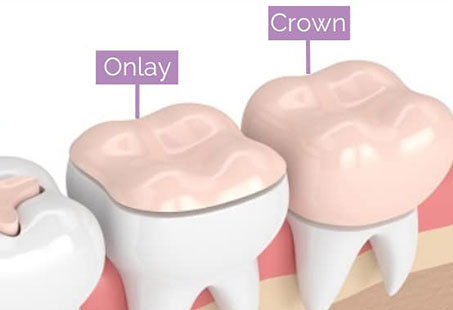
Alternative procedures, such as dental crowns, may be necessary if the damage is significant or threatens the tooth's structural integrity.
3. Decay Around Fillings
Inadequate oral hygiene practices can cause plaque and bacteria to build up around the edges of tooth fillings.
Recurrent decay can occur due to the bacteria releasing acids that destroy the enamel and neighboring tooth structure.
Symptoms:
Decay may be indicated by discoloration surrounding the tooth filling, textural irregularities, and occasional pain or sensitivity.
Solution:
Regular dental check-ups are necessary for monitoring the status of dental fillings, recognizing early signs of deterioration, and maintaining good oral health.
If decay is detected early, the afflicted area can be cleaned, and a new infill can be installed to prevent additional harm.
More advanced situations may require greater repair to restore the tooth's integrity.
4. Allergic Reactions
Although uncommon, some people may develop adverse reactions to the materials used in tooth fillings. Amalgam (silver) fillings, which include mercury and other metals, are frequently connected with this.Even though these fillings are on the verge of extinction and are no longer used.
Symptoms:
Allergic responses in the mouth or on the skin can cause inflammation, redness, itching, or rashes.
Solution:
If you suspect an allergic response, you should immediately see a dentist. They can do tests to determine the precise ingredients causing the reaction and recommend alternate filling materials that are less likely to cause an allergic reaction.
5. Dislodged or Loose Fillings
Natural biting and chewing pressures and gradual wear and tear on the filling material can cause dental fillings to become loose or removed over time. These fillings also put the tooth at risk of further damage and decay and must be repaired as soon as possible.
Symptoms:
Patients may notice movement or space around the filling and discomfort and sensitivity in the affected tooth.
Solution:
A loose or displaced filling necessitates quick dental treatment. Unrepaired fillings can expose the tooth to microorganisms and increase the risk of additional harm. Dentists can evaluate the issue and determine whether the filling can be resecured or needs replacing.
6. When the Filling Feels Too Large or Rough
Patients may occasionally interpret a tooth filling to be large or abrasive. This could be due to poor filler material contouring or the use of an excessive amount.
Symptoms:
If left untreated, these dental fillings disrupt the bite and can lead to jaw-joint disorders.
Solution:
If a filling feels unusually large or rough, contact your dentist immediately. They can review the contours of the filling and make any required revisions to ensure optimum fit and comfort.
