
Knee Pain After Exercise - Is It Overuse or Arthritis?Medical ClinicUpdated on Sep 20, 2024 View more like this | Visit BROOKLYN, NY | Contact Amelia Grant |
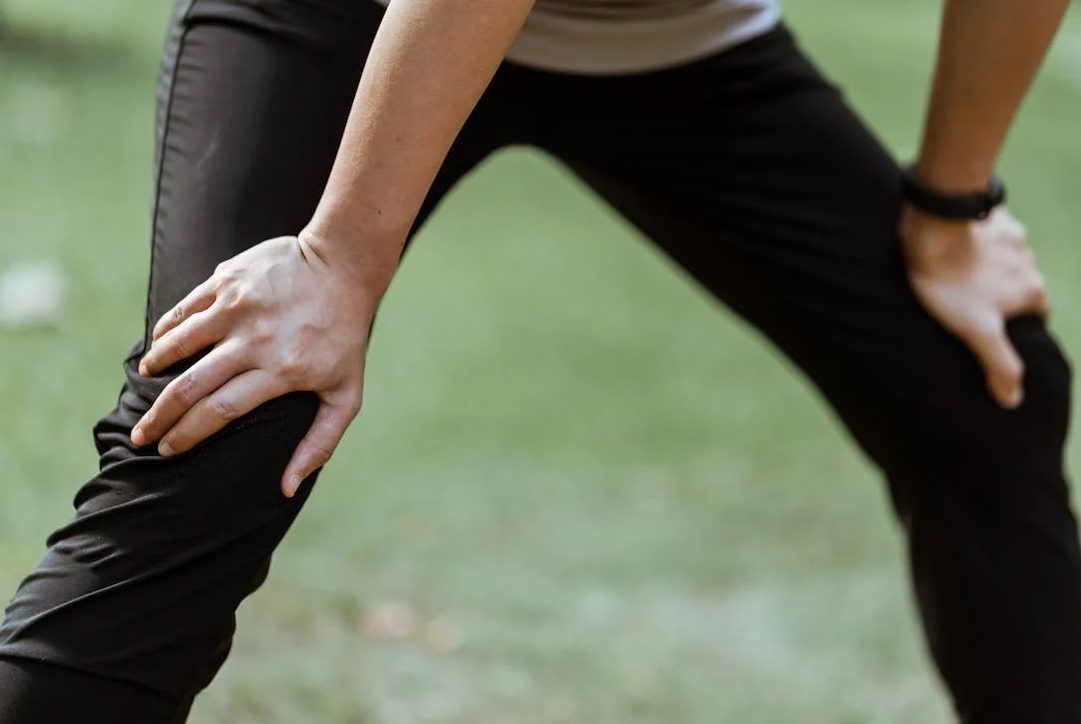
Let's look at the differences between the most common causes of knee pain.
1. Overuse Knee Injuries
Overuse injuries are common among active persons of all ages, and they usually arise when the knee joint is overloaded with repetitive force without enough time to recuperate.
Here are three overuse injuries that can result in knee pain after exercise:
2. Runner’s Knee
Patellofemoral pain syndrome, often known as a runner's knee, is an overuse ailment that affects runners and other athletes who place repetitive strain on their knees. Commonly reported symptoms of runner's knee are:
- Pain on and around the kneecap;
- Pain exacerbated by activities such as running or climbing stairs;
- Pain worsens when sitting for too long with bent knees.
3. Jumper’s Knee
Jumper's knee, also known as patellar tendonitis, is characterized by inflammation of the patellar tendon, which joins the kneecap to the shin bone. This sports-related ailment is caused by repetitive stress on the knee joint, such as jumping on hard surfaces. Individuals with jumper's knee may experience:
- Pain and soreness under the kneecap;
- Pain that intensifies while exercising;
- Pain when you flex or extend your leg.
4. Swelling and Iliotibial Band Syndrome
Iliotibial band syndrome (ITBS) is an ailment that affects many sportsmen, including runners and cyclists, due to the continuous bending and straightening of the knee. ITBS develops when the iliotibial band, a tendon that connects your hip to your shinbone, grinds on your knee bone and gets inflamed. Symptoms could include:
- An agonizing discomfort on the outside of the knee that worsens during exercise;
- Feeling warm and tender on the outside of the knee;
- Pain travels up to your hip;
- Clicking or popping sensations.
Treating Overuse Injuries
The good news is that in most cases of overuse injuries, conservative treatment will help ease discomfort and return you to your favorite sports or activities. Treatments usually include:
- Rest or activity modification;
- Ice;
- Elevation;
- Anti-inflammatory drugs;
- Shoe orthotics;
- Steroid injections;
- Stretching or strengthening exercise;
- Physical therapy.
Knee Osteoarthritis
Osteoarthritis is the most frequent arthritis that affects the knees. It happens when the cartilage (the rubbery tissue that cushions the ends of your bones) starts to deteriorate.
Age is the leading risk factor for knee arthritis. People over the age of 50 are more likely to have this illness. However, younger people may get this type of arthritis as a result of an injury. Other risk factors include obesity, heredity, and gender (women are more prone than males to develop osteoarthritis).
Symptoms of Osteoarthritis
Symptoms of osteoarthritis usually develop gradually rather than suddenly and may include:
- Knee discomfort worsens during and after exercising;
- Morning stiffness that improves with movement;
- Swelling around the afflicted joint;
- Crackling or grating sensations;
- Weakness or instability;
- Reduced range of motion;
- Treating osteoarthritis.
Unfortunately, there is no method to cure osteoarthritis, but there are techniques to reduce its progression and alleviate symptoms.
Make an appointment with a knee pain expert, specializing in osteoarthritis and adult joint reconstruction. They will help get you back to the activities you enjoy and normally will propose conservative treatment approaches first.
These often include:
- Activity adjustment;
- Strengthening workouts;
- Physical therapy;
- Anti-inflammatory drugs;
- Steroid Injections;
- Weight loss (if necessary).
If conservative treatments are no longer helpful and your knee discomfort is interfering with your everyday activities, you should consider knee replacement surgery.
