
How to Use Compression Socks Right?Medical ClinicUpdated on Dec 27, 2023 View more like this | Visit BROOKLYN, NY | Contact Amelia Grant |
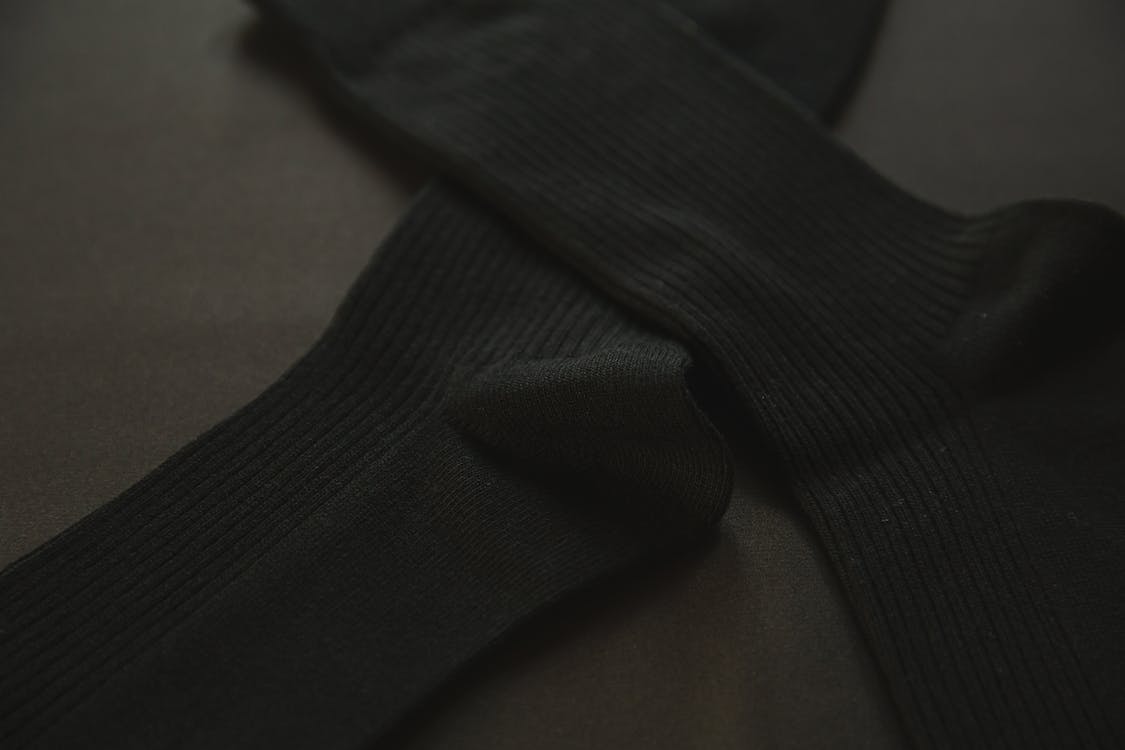
The Benefits of Wearing Compression Socks
For people who are prone to pressure sores and other wounds, this reduces the risk of blood clots and speeds up the healing process. Diabetes, deep vein thrombosis (DVT), and varicose veins treatment may be more efficient together with compression socks to enhance circulation in their lower legs.
Lymphatic Drainage
Lymphatic drainage in your feet, ankles, and calves can be improved by wearing compression socks. Lymphatic drainage is a procedure that aids in the circulation of lymph, or tissue fluid, around the lymphatic system's organs and channels.
This can help persons with certain illnesses, such as lymphedema, minimize and avoid swelling. It can also help pregnant women, especially during the third trimester.
Pain Relief
Compression stockings help ease pain, stiffness, and a heavy feeling in the lower legs by boosting blood flow and circulation. This may be especially beneficial for retail and healthcare workers who are frequently on their feet at work. Pilots, frequent travelers, and wheelchair users, for example, have to sit for extended periods of time.
Preventing Standing Dizziness
Compression socks promote the flow of oxygen-rich blood up your legs and back towards your heart. They also keep blood and lymphatic fluid from pooling and stagnating around your feet and ankles and alleviate symptoms like lightheadedness, dizziness, and low blood pressure shortly after standing up. This may assist persons with illnesses including:
- Dysautonomia (an autonomic nervous system disorder);
- Orthostatic hypotension (low blood pressure that falls when standing up);
- Fainting produced by a quick reduction in heart rate and blood pressure is known as vasovagal syncope;
- POTS (postural orthostatic tachycardia syndrome).
Enhancing Physical Performance
Compression socks are frequently used by athletes to improve exercise performance and endurance, minimize muscular soreness and tiredness, and shorten recovery time after a strenuous workout or injury.
It's unclear why compression socks might be advantageous during and after strenuous activity. Some experts, however, claim that compression socks can transfer lactic acid more efficiently through the muscles, speeding up the healing process.
Are Compression Socks Effective?
According to research, wearing compression socks can successfully increase blood flow in the lower half of the body and reduce swelling, particularly in those with diabetes and other chronic diseases.
Here are a few studies that back up compression socks' effectiveness in treating a variety of symptoms:
- Compression socks increased lower limb blood flow and physical performance in elite wheelchair rugby participants, according to research;
- One randomized clinical experiment indicated that wearing knee-length compression stockings during a shift significantly reduced discomfort and swelling in nursing students;
- A study found that wearing compression garments on the lower half of the body reduced the risk of low blood pressure and heart palpitations in patients with POTS;
- A study discovered that compression socks could help athletes and generally inactive persons recover faster after exercise.
Are There Any Drawbacks to Wearing Compression Socks?
For the most part, compression socks are both safe and effective. However, there are some possible negative effects, which include:
- Discomfort, particularly when the socks are excessively tight;
- Blisters;
- Contact dermatitis and rashes are examples of skin responses;
- Pressure sores, nerve injury, or necrosis (tissue death) can occur in rare cases as a result of ill-fitting socks.
To avoid these drawbacks, make sure your compression socks are properly fitted. Stockings that are not properly fitting might fold and crease, resulting in an unequal distribution of pressure. This increases your chances of having a skin reaction.
How to Wear Compression Socks
Compression socks are available in a variety of medical supply stores, drugstores, big box retailers, and pharmacies, as well as online. Depending on your reason for wearing compression socks, your medical insurance may be able to cover the expense.
It is generally safe to wear compression socks for eight hours every day. You should, however, avoid sleeping in them.
