
7 Effective Ways to Keep Your Kidneys HealthyMedical ClinicUpdated on Jun 30, 2022 View more like this | Visit BROOKLYN, NY | Contact Amelia Grant |
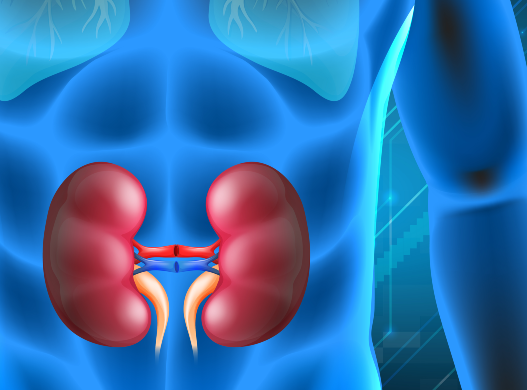
Your kidneys also control the pH, salt, and potassium levels in your body. They also generate hormones that control the creation of red blood cells and regulate blood pressure. Your kidneys are also in charge of activating a form of vitamin D that aids in the absorption of calcium for bone formation and muscle regulation.
Maintaining kidney function is essential for overall health and well-being. Your body will filter and discharge waste properly and create hormones to assist your body functioingif your kidneys are healthy. Here are some suggestions to keep your kidneys in good shape.
1. Exercise regularly
Regular exercise benefits your health in more ways than one. It has the potential to reduce the risk of chronic renal disease. It can help lower blood pressure and improve heart health, both of which are crucial in preventing kidney injury.
To receive the benefits of exercise, you don't have to run marathons. Exercises such as walking, running, cycling, and even dancing are beneficial to your health. Find a fun hobby that will keep you occupied. It will be much easier to stay on track and get fantastic results.
2. Manage your blood sugar levels
Kidney damage can occur in people who have diabetes or a condition that generates high blood sugar. Your kidneys are forced to work extra hard to filter your blood when your body's cells can't utilize the glucose (sugar) in your blood. This can result in life-threatening damage.
Controlling your blood sugar, on the other hand, reduces the danger of damage. Your doctor can also take actions to limit or prevent further damage if the damage is detected early.
3. Monitor your blood pressure
Kidney injury can be caused by high blood pressure. When high blood pressure is combined with other health problems such as diabetes, heart disease, or high cholesterol, the effects on your body can be devastating.
A blood pressure value of 120/80 is considered normal. Between that point and 139/89, you have prehypertension. At this time, lifestyle and dietary adjustments may help lower your blood pressure.
You may have high blood pressure if your blood pressure measurements are routinely above 140/90. You should consult your doctor about frequently monitoring your blood pressure, making lifestyle modifications, and maybe taking medication.
4. Manage your weight and eat healthy
Overweight or obese people are at risk for a variety of health problems that can harm their kidneys. Diabetes, heart disease, and kidney disease are among them.
Kidney damage can be reduced by eating a balanced diet low in sodium, processed meats, and other kidney-damaging items. Focus on fresh, naturally low-sodium items like cauliflower, blueberries, salmon, whole grains, and more.
5. Stay hydrated
It is beneficial to your kidneys to drink plenty of water on a regular basis. Water aids in the removal of salt and toxins from the kidneys. It also reduces your chances of developing chronic renal disease.
Aim for 1.5 to 2 liters of water per day. People who have had kidney stones in the past should drink extra water to assist avoid stone formation in the future.
6. Do not smoke
The blood vessels in your body are damaged when you smoke. As a result, blood flow throughout your body and to your kidneys is slowed.
Smoking exposes your kidneys to a higher risk of cancer. Your risk will decrease if you stop smoking. Returning to the risk level of someone who has never smoked, on the other hand, will take many years.
7. Have your kidney function tested if you’re at high risk
Regular visits to a kidney doctor and renal function testing are recommended if you are at high risk of kidney injury or disease. A frequent kidney function test is an excellent approach to keep track of your kidney's health and detect any changes. Getting ahead of any harm can aid in the slowing or prevention of further damage.
