
5 Tips on How to Increase Natural Light in Your RoomInterior Decorators & DesignersUpdated on May 5, 2021 View more like this | Visit BROOKLYN, NY | Contact Amelia Grant |
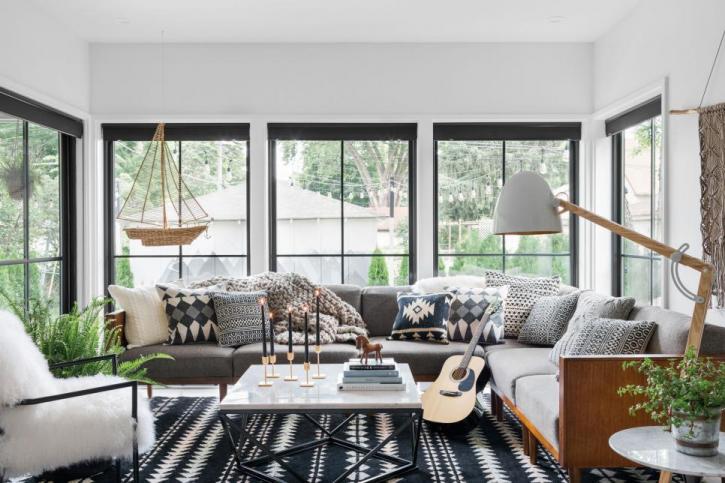
The benefits of a well-lit room are endless. Light provides the attractiveness of the interior, an improvement in the well-being of owners, increases work productivity, and helps lower stress levels. If you think that your room lacks natural light, try using the following tips:
1. Glass partitions
Glass partitions are the ideal option to increase light in rooms. For example, replacing the interior wall between the kitchen and the living room or bedroom and the common area will allow the light to spread better throughout the house and illuminate the dark corners of the interior. In addition to the problem with light, glass partitions perfectly solve room zoning issues and are very relevant for small apartments.
2. Reflective floors
When thinking about options for increasing light, people are the last to think about what exactly flooring can help them. And this is a pretty effective way. Light marble or granite has excellent reflective properties, which allows them not only to decorate the interior with their impeccable natural texture but also to fill it with light. If you are not a fan of stone, then light wood will be a good alternative, which, although not so good, will still help with a lack of natural light.
3.Windows
If you can’t see a window from any point in the room, you should think about whether the objects are placed correctly in your room. Try to rearrange, and ideally replace massive and bulky furniture with something smaller. Open shelves instead of blank cabinets, glass countertops, and low tables, thin furniture legs - all these things will help the penetration of light and get rid of dark spots.
Your room windows shouldn’t be cluttered with massive pots and other things, leave only one or a few small flowers in compact pots. Greenery will add freshness to the interior, both aesthetically and literally.
4. Colors
It has long been known that it is the color of a material that determines its reflective ability. And if light shades tend to reflect the sun's rays, then dark ones tend to absorb them. That is why rooms painted in dark blue or brown tones look duller and more intimate than spaces in white and light gray tones.
Do not forget about the good old reception with the ceiling. If you make it lighter than the walls by several tones, then the room will seem more spacious, higher, and brighter. Moreover, the level of gloss is directly determined by the reflection coefficient: the higher it is, the stronger the light is reflected from the surface. Therefore, for walls in dark and small rooms, it is preferable to choose paints with a low degree of gloss, rather than deep matte.
5. Mirrors
Mirrors can also help you fill your room with natural light. This is a real lifesaver for low-light spaces. Just remember one important rule: if you want to make a dark room brighter, do not hang the mirror on the side opposite to the window, as is often done, as the light will simply reflect back out the window. Place mirrored surfaces on the wall perpendicular to the window. By the way, stylish full-length mirrors will be great helpers in spreading natural light and will favorably highlight the interior, giving it individuality.
