
4 Steps to Recover From a Baseball Shoulder InjuryMedical ClinicUpdated on Oct 11, 2023 View more like this | Visit BROOKLYN, NY | Contact Amelia Grant |
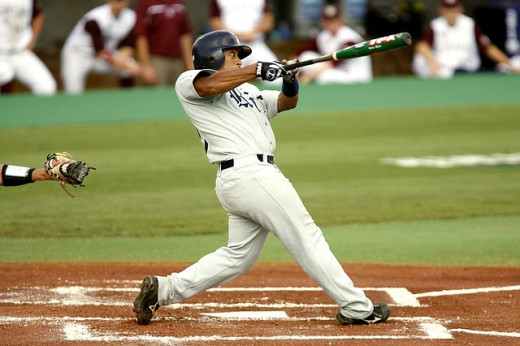
This lack of stability, combined with variables such as a lack of stretching or overuse, can lead to a wide spectrum of shoulder ailments among baseball players. The following are some of the most prevalent baseball-related shoulder injuries:
- Dislocations
- Abnormally loose ligaments
- Superior labrum anterior and posterior (SLAP) tears
- Ligament sprains
- Tendinitis
- Rotator cuff tears
- Muscle and tendon strains
A shoulder injury can keep a baseball player out of the game for months. As a result, you must understand how to know if youve got an injury and how to recover quickly and successfully from it.
Common symptoms of shoulder problems
Shoulder pain and a decline in performance, including velocity, are the most common symptoms among baseball players. A player's shoulder may occasionally feel loose or as if it is coming out of its socket, but most of the time, the problem is pain during or after play.
Recovering from a baseball shoulder injury
The severity and intensity of your shoulder injury can be influenced by your tiredness level, body mechanics, and shoulder alignment. The time it takes to heal depends on whether the damage is a strain, partial tear, or full tear.
However, some wounded players might take the initiative to shorten their healing time. The four measures outlined below can assist you in accelerating your recovery from most shoulder injuries:
1. Stretch and massage the areas around the injured shoulder.
Trying to exercise an injured shoulder can be excruciatingly painful. Massaging the muscles and tendons that surround the injury, on the other hand, can assist in relieving tension in the damaged area. This can increase blood flow to the shoulder, relieve strain, and reduce pain severity. The self-massage effects allow you to gently stretch the damaged shoulder, which can further minimize your discomfort.
2. Practice strengthening exercises.
Weak shoulder muscles might contribute to the normal lack of stability of the joint. Strengthening exercises can aid in the re-engagement of injured muscles, the stabilization of the shoulder joint, and the encouragement of the joint to return to its proper alignment. Physical therapists can use active and passive joint mobilization techniques to strengthen weakening muscles gently, enhance blood flow to the damaged shoulder, and jump-start healing.
3. Go to physical therapy.
Sports physical therapists are professionals in treating common athletic injuries. They can assess a baseball player's shoulder problem, devise a treatment plan, and assist the athlete in avoiding future issues. Soft tissue mobilization is one approach that physical therapists can use to help baseball players improve their mobility, speed, balance, and coordination on the field.
4. Work to prevent future injuries.
Working to avoid another shoulder injury is the final stage in recovering from a baseball-related shoulder injury. This is one of the reasons why it is vital to spend adequate time recuperating. After all, returning to the game too soon risks reinjury. A physical therapist, on the other hand, can ensure that your shoulder is ready to tolerate the demands of a full game again. During your recovery, these specialists can also help you strengthen your shoulder and address underlying concerns. Dealing with such issues can help lower your chances of future injuries.
When should you have surgery?
The choice to have surgery is made when everything else fails. In most cases, it is impossible to determine whether or not the shoulder is truly unstable before surgery. It is generally a wise habit to try all nonoperative options before undergoing surgery. Cortisone shots may be useful on occasion, although their use is debatable.
Other variables should be examined before undergoing shoulder surgery. The severity of the symptoms is one. Another factor to consider is whether you believe you will be able to rest at the end of the season. Another consideration is whether or not you have a future in the sport. If you are about to leave the sport anyway, a huge operation is most likely a "long run, short slide." Another factor to consider is the quality of play, as a second-stringer on the fraternity team is unlikely to require an operation to advance their career.
The recovery period after surgery should also be considered. All procedures, whether to strengthen the shoulder or to repair a torn labrum, require around three months to heal. Players who have these operations typically need nine to twelve months to recover fully. Some players recover faster than others, while pitchers take longer due to the significant strains on the throwing arm.
