
5 Hard-to-Detect Yet Highly Dangerous Dental DiseasesDental ClinicsUpdated on Aug 21, 2024 View more like this | Visit BRONX, NY | Contact Amelia Grant |
1. Cavities
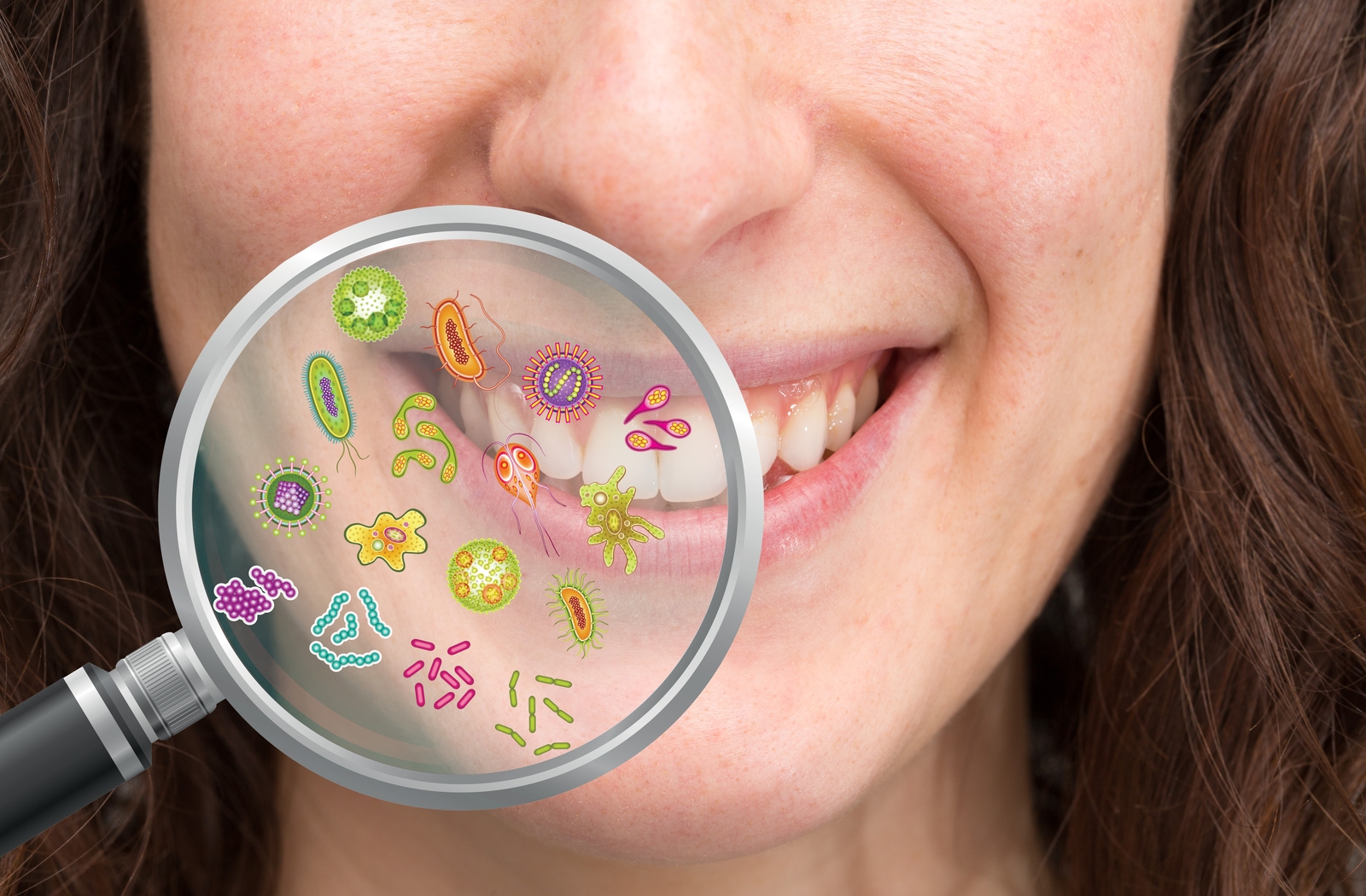
Cavities, also known as dental caries, occur when bacteria in the mouth produce acids that erode the tooth enamel. Poor oral hygiene creates a favorable environment for these bacteria. Cavities can form on any surface of the tooth, not just the chewing surfaces. They are particularly problematic on the contact surfaces between teeth and in fissures, where plaque and food particles can accumulate unnoticed. These hidden cavities can develop without causing immediate symptoms, making them hard to detect until they are advanced and require more extensive treatment.
2. Gum neoplasms
Gum neoplasms, such as cysts and dental granulomas, are often discovered accidentally during routine dental exams or X-rays. These growths must be treated promptly to avoid serious consequences. A cyst is a fluid-filled sac that can turn into pus over time. If not treated, the pus may lead to a fistula or, worse, enter the bloodstream, causing systemic infection. Dental granulomas often result from complications of root canal treatments and grow at the tooth root, potentially replacing bone tissue and weakening the tooth ligaments. If located in the upper jaw, these neoplasms can extend into the maxillary sinuses, causing further complications. Detecting and treating these growths early is essential to prevent significant health risks.
3. Periodontitis
Periodontitis is an inflammatory disease affecting the tissues surrounding the teeth, including the gums and ligaments. It can be challenging to diagnose in its early stages because its symptoms are often subtle. Common signs include gum bleeding, pain, bad breath, and exposed tooth roots. Periodontitis can result from various factors, including genetic predisposition, hormonal changes, poorly installed dental crowns, and misaligned teeth. If left untreated, periodontitis can lead to tooth loss and other serious health issues. Regular dental check-ups are crucial for early detection and management of this disease.
4. Bruxism
Bruxism, or teeth grinding, often occurs during sleep and is usually related to stress. Many people are unaware they have bruxism until they experience its consequences, such as teeth wear, gum disease, and even hearing loss. Symptoms include sore teeth and headaches upon waking. If you suspect you have bruxism, it is important to consult a dentist. Treatment options may include wearing a mouthguard at night to protect your teeth and reduce muscle tension. Stress management techniques and relaxation therapies can also help alleviate the condition.
5. Enamel hypoplasia
Enamel hypoplasia is a condition where the enamel, the outer layer of the teeth, does not form properly. This can result in small growths on the enamel, which are often harmless if they do not cause discomfort. However, if these growths form on the roots of the teeth, they can interfere with proper brushing and lead to cavities or periodontitis. Early detection and proper dental care are essential to manage enamel hypoplasia and prevent further complications.
The bottom line
Dental diseases can have serious health consequences if not diagnosed and treated in time. Regular dental check-ups and good oral hygiene are essential for preventing and managing these conditions. Early detection allows for more effective treatment, reducing the risk of severe health problems. If you notice any signs of dental issues, such as pain, bleeding gums, or changes in your teeth, consult a dentist promptly. Taking care of your oral health is crucial for your overall well-being.
