
5 Difficult-to-Detect Dental Diseases That Are Highly DangerousDental ClinicsUpdated on Nov 28, 2020 View more like this | Visit BRONX, NY | Contact Amelia Grant |
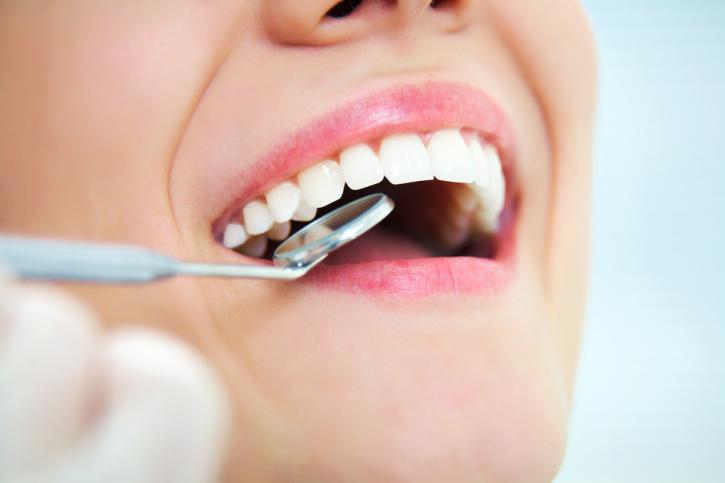
1. Cavities
Poor oral hygiene creates a favorable environment for bacteria that can soften your enamel and destroy the hard tissues of the tooth. Cavities can occur on any surface of the tooth, not just on the chewing one. Cavities are especially dangerous for the contact surfaces of the teeth. Plaque can make it difficult to distinguish cavities there. The same problem applies to fissure cavities. The fissure can form a little hole in your tooth in which the plaque and food residue can accumulate. It is almost impossible to clean it out. This is how cavities can develop without you even noticing it.
2. Neoplasms in the gums
Such neoplasms as a cyst and dental granuloma are usually detected accidentally — during an examination of another tooth or on a preventive panoramic radiograph. These neoplasms must be removed due to the risk of unpleasant consequences.
A cyst is a blister filled with fluid that slowly transforms into a pus. At best, this pus will break its way out in the form of a fistula. At worst, it will get into your blood. Granuloma usually occurs as a result of root canal procedure complications. It develops at the tip of the root and then grows gradually. Both cyst and granuloma can replace the bone tissue, which can lead to the tooth ligaments weakening. If the neoplasm is located on your upper jaw it can penetrate the maxillary sinuses. Cysts and granulomas are a constant source of infection that can weaken your immune system. These neoplasms can stay unnoticed for many years. So it is important to detect them at an early stage to prevent further complications.
3. Periodontitis
Periodontitis is an inflammatory disease of the teeth ligament and is very common in modern people. Its exact causes are not yet discovered. It may be caused by genetics, hormonal disease, poorly installed dental crowns, and malocclusion. This disease is difficult to detect at an early stage. Mind these obvious symptoms: bleeding and pain in the gums, bad breath, and exposed teeth roots. They all are signs that you have an already developing periodontitis.
4. Bruxism
Stress can cause serious damage to your teeth. Involuntary clenching of the jaws, gnashing of teeth can be the symptoms of bruxism. It usually happens during sleep, and you may not be aware of the problem. Bruxism can lead to teeth abrasion, gum disease, and hearing loss.
Contact a dentist if your teeth feel sore and your head is heavy after the night’s sleep. A specialist will help develop an appropriate treatment plan. You might be required to wear a mouthguard at night to prevent jaws clenching and relax the muscles. Relaxing treatment may be helpful too.
5. Enamel hypoplasia
Not always all human tissues and organs are formed correctly — sometimes there are failures. Enamel hypoplasia is small growths that can form on your teeth’s enamel. It often appears in the tooth pulp chamber or in its roots. They shouldn’t be touched if they cause no discomfort to you. But if they are formed on the roots of the teeth they can prevent proper brushing and lead to cavities or even periodontitis.
The bottom line
Dental disease can lead to more lethal consequences than many other diseases. But, most of them can be treated if diagnosed in time. Proper diagnosis is essential to develop an effective treatment plan because dental diseases can be of many causes.

5 Difficult-to-Detect Dental Diseases That Are Highly Dangerous
