
Understanding the Utilization of Fuses in CircuitsSmall Electrical Appliances Repair & PartsUpdated on Feb 22, 2018 View more like this | Visit Australia, UN | Contact Jeniffer page |
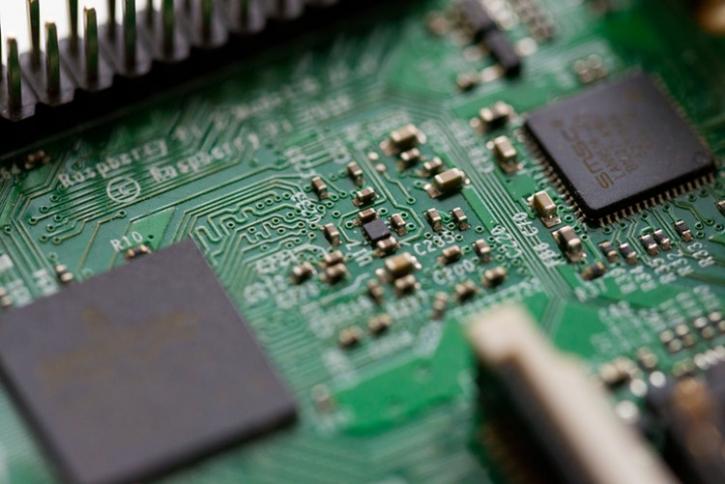
Whether it is in our homes or offices, the electrical circuits that are used within them are what allow all the necessary appliances to be efficiently powered up. There are many intricate technical devices that aid in this process and one of the most important ones from among these is none other than the fuse. Even though it’s quite small, it provides a much needed protection to all the electrical circuits from over amperage. In simple terms this means that they protect circuits from a current that is higher than the one recommended for them. These fuses act as sacrificial devices that prevent the whole circuit from being burnt down due to high electrical currents which can be quite a convenient thing.
The way that they operate
Each and every electrical circuit or wiring is made to handle only a specified amount of amperage. If they get an electrical current higher than this limit then the whole circuitry will face the risk of breaking down or melting, which can result in the whole thing becoming unusable. Sometimes this harmful effect will not just remain on the circuit itself but might affect the wiring and the actual electrical device as well. But these fuses take on this electrical over-current themselves and will break the connection by melting themselves thus avoiding the potential damage that can be caused for the complete circuit or the related device/appliance. Many modern homes tend to use circuit breakers but many old homes have the fuse box which can be used to screw in these electrical fuses, same as the socket of a light bulb. The two main types of bases for these sockets are known as ‘Edison Base’ and ‘Rejection Base’ which can be used to connect ‘T Fuses’ and ‘S Fuses’, respectively.
How these are utilized
A T base fuse can be directly screwed into an Edison type base while an S base fuse connects to the fuse box via an adapter base. The fuse needs to match with the amp of the adapter base for S fuses, in order for them to work in the correct manner. There is another type of fuse known as ‘W’ which was usually connected using the Edison base but they have become obsolete now. The response times for these fuses were very high and they were generally used for the likes of power circuits and common lighting purposes. The more common type of fuses used nowadays in homes are called, “TL” and “SL” which are considered to be medium duty ones with a time delay function. These fuses can be commonly seen, utilized within the garbage disposal systems, in many homes.
Last but certainly not the least; ‘Minibreaker’ fuses are used in such a way that they are able to convert the traditional socket fuse into a circuit breaker that will pop out whenever the load is too much for it to handle. Once you push it back like a button to its original place it will start to smoothly run again. The technological unit known as the fuse can be considered as a safe and reliable device that will always be there to provide the necessary protection for all of our electrical circuits and devices, which has made our lives much easier.
The way that they operate
Each and every electrical circuit or wiring is made to handle only a specified amount of amperage. If they get an electrical current higher than this limit then the whole circuitry will face the risk of breaking down or melting, which can result in the whole thing becoming unusable. Sometimes this harmful effect will not just remain on the circuit itself but might affect the wiring and the actual electrical device as well. But these fuses take on this electrical over-current themselves and will break the connection by melting themselves thus avoiding the potential damage that can be caused for the complete circuit or the related device/appliance. Many modern homes tend to use circuit breakers but many old homes have the fuse box which can be used to screw in these electrical fuses, same as the socket of a light bulb. The two main types of bases for these sockets are known as ‘Edison Base’ and ‘Rejection Base’ which can be used to connect ‘T Fuses’ and ‘S Fuses’, respectively.
How these are utilized
A T base fuse can be directly screwed into an Edison type base while an S base fuse connects to the fuse box via an adapter base. The fuse needs to match with the amp of the adapter base for S fuses, in order for them to work in the correct manner. There is another type of fuse known as ‘W’ which was usually connected using the Edison base but they have become obsolete now. The response times for these fuses were very high and they were generally used for the likes of power circuits and common lighting purposes. The more common type of fuses used nowadays in homes are called, “TL” and “SL” which are considered to be medium duty ones with a time delay function. These fuses can be commonly seen, utilized within the garbage disposal systems, in many homes.
Last but certainly not the least; ‘Minibreaker’ fuses are used in such a way that they are able to convert the traditional socket fuse into a circuit breaker that will pop out whenever the load is too much for it to handle. Once you push it back like a button to its original place it will start to smoothly run again. The technological unit known as the fuse can be considered as a safe and reliable device that will always be there to provide the necessary protection for all of our electrical circuits and devices, which has made our lives much easier.
