
12 Pro Tips on Shooting Sharp Aerial PhotographsPortrait & Commercial PhotographyUpdated on Sep 25, 2019 View more like this | Visit AUSTIN, TX | Contact Ella Wilson |
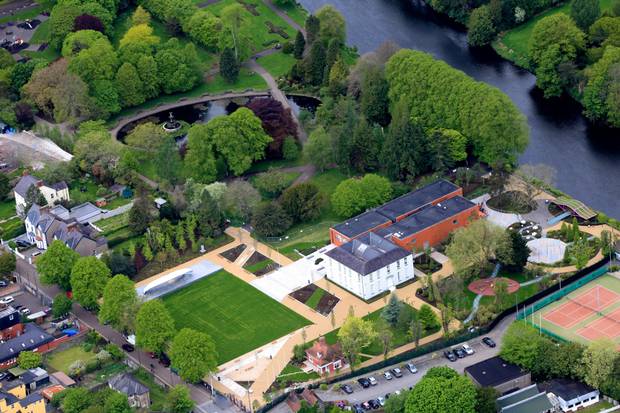
Capturing amazing aerial photos take skill, tools, and a lot of luck. There’s plenty that you can do, though, to create conditions that will give you lots of snapshot-worthy moments. These pro tips will help.
Riding a hot air balloon gives you a stable shooting platform. The balloons often fly when the is light wind and are cancelled during rough weather, ensuring that it floats along at a moderate pace. Your gear won’t suffer.
When you shoot from a plane, you’ll deal with doors and windows. Rent one that will allow you to shoot with open doors or windows.
Helicopters allow you to get a better shot since they’re easier to position over the landscape. The challenge, though, is shooting through the curved windows. Ask if you can shoot through an open door before you rent one.
Drones are a wonderful way to get aerial shots, but the shots tend to be limited to wide-angle views.
The faster your shutter speed is, the better. Set it to 1/2000 second if that’s available to counter the vibrations in the aircraft, Creative Live suggests.
Get 50mm lens if you can or use a 24-70mm lens with a mid-range zoom. A professional f2.8 lens is also a good option.
Comfortable, close-fitting clothes like long jeans and a long-sleeved shirt will make it easier for you to take your shots. Leave the hats and scarves along with any loose clothing at home. A warm jacket will also keep you warm while you work.
Zip pockets make it easy to store spare memory cards and batteries, especially if you’re on a helicopter. That prevents anything from falling out of your pockets which could fly backwards and into the tail rotor, the Shutter Muse says.
Pay attention to the movements of the aircraft. If there’s a lurch in the air, get a few more shots in for insurance.
If you’re on a plane or helicopter, don’t stick the camera out the window or door and into the airflow. It’ll get caught in the wind and you’ll have a hard time controlling the shots. Riding a balloon will eliminate these problems, though.
What do you want your subjects to look like? That will help you figure out the best sun angle for your project. Consider the direction of the light on the location and pick out which time gives the property or site the best light and results.
You may neglect to secure your lens hood when you’re up there. If it flies off your camera, it could hit some part of the aircraft, which could lead to damage. Plus, it’s easier to switch from one lens or camera to another when you aren’t worried about securing the hood every single time.
If you want professional results, get pros. Hire Austin aerial photography services to get the best photos possible.
1. Go on a balloon
Riding a hot air balloon gives you a stable shooting platform. The balloons often fly when the is light wind and are cancelled during rough weather, ensuring that it floats along at a moderate pace. Your gear won’t suffer.
2. Get on a plane
When you shoot from a plane, you’ll deal with doors and windows. Rent one that will allow you to shoot with open doors or windows.
3. Ride a helicopter
Helicopters allow you to get a better shot since they’re easier to position over the landscape. The challenge, though, is shooting through the curved windows. Ask if you can shoot through an open door before you rent one.
4. Use a drone
Drones are a wonderful way to get aerial shots, but the shots tend to be limited to wide-angle views.
5. Pick a shutter speed
The faster your shutter speed is, the better. Set it to 1/2000 second if that’s available to counter the vibrations in the aircraft, Creative Live suggests.
6. Shop for lenses
Get 50mm lens if you can or use a 24-70mm lens with a mid-range zoom. A professional f2.8 lens is also a good option.
7. Dress for it
Comfortable, close-fitting clothes like long jeans and a long-sleeved shirt will make it easier for you to take your shots. Leave the hats and scarves along with any loose clothing at home. A warm jacket will also keep you warm while you work.
8. Bring zip pockets
Zip pockets make it easy to store spare memory cards and batteries, especially if you’re on a helicopter. That prevents anything from falling out of your pockets which could fly backwards and into the tail rotor, the Shutter Muse says.
9. Stay alert
Pay attention to the movements of the aircraft. If there’s a lurch in the air, get a few more shots in for insurance.
10. Hold the camera close
If you’re on a plane or helicopter, don’t stick the camera out the window or door and into the airflow. It’ll get caught in the wind and you’ll have a hard time controlling the shots. Riding a balloon will eliminate these problems, though.
11. Time it right
What do you want your subjects to look like? That will help you figure out the best sun angle for your project. Consider the direction of the light on the location and pick out which time gives the property or site the best light and results.
12. Leave the lens hood
You may neglect to secure your lens hood when you’re up there. If it flies off your camera, it could hit some part of the aircraft, which could lead to damage. Plus, it’s easier to switch from one lens or camera to another when you aren’t worried about securing the hood every single time.
If you want professional results, get pros. Hire Austin aerial photography services to get the best photos possible.
